Key Design Considerations for Custom FRP Storage Tanks
The selection of materials is foundational to the design of custom
FRP storage tanks. Fiberglass Reinforced Plastic (FRP) combines the strength of fiberglass with the flexibility of plastic, creating a material that is lightweight yet incredibly durable. The choice of resin is critical because it defines the tank’s chemical resistance, temperature tolerance, and structural properties. Polyester resins, for instance, are often used for general-purpose tanks, while vinyl ester resins provide higher corrosion resistance, making them suitable for tanks storing aggressive chemicals or for use in harsh environments. The type of fiberglass reinforcement used also varies, with materials like E-glass and S-glass providing different strength and durability properties. As we move towards more specialized applications, such as those used in pharmaceutical or food industries, the design process requires a deeper understanding of how different resins interact with specific substances. In addition to resin and fiberglass, additive treatments, such as UV inhibitors or flame-retardant compounds, can be incorporated into the tank design for improved durability and safety. At companies like Yancheng Fangxing Group Co., Ltd., the focus on material selection ensures that every tank meets the stringent requirements of its specific application. Custom FRP tanks offer exceptional chemical and physical properties, making them versatile across industries, but this versatility hinges on careful material choices.
The chemical compatibility of an FRP storage tank is vital to its performance and longevity. Different chemicals react differently with resins, so understanding the nature of the stored material is critical. For example, acids like sulfuric acid or hydrochloric acid require tanks designed with vinyl ester or epoxy resins due to the superior chemical resistance of these materials. In contrast, alkalis and solvents may need specialized coatings or additional layers of fiberglass to prevent degradation. The pH level of the stored substances plays a major role in determining the appropriate resin selection. Tank manufacturers such as Yancheng Fangxing Group Co., Ltd. perform rigorous testing to ensure that each tank can withstand exposure to various chemicals without deteriorating. Properly matched materials can extend the lifespan of a storage tank, minimizing the need for costly repairs or replacements. It is also crucial to account for factors like temperature and pressure, as these can affect the chemical resistance of the resin. For instance, high temperatures can increase the reactivity of certain chemicals, requiring even more robust material choices. The integration of multi-layer systems, where the internal layer is resistant to chemical corrosion and the outer layer provides structural strength, allows for safer and longer-lasting tanks. Custom FRP storage tanks with excellent chemical compatibility provide peace of mind to industries that store hazardous substances, knowing that the integrity of their storage system is secure.
Determining the size and capacity of a custom FRP storage tank is crucial, as this decision affects not only the operational efficiency of the tank but also its cost and ease of installation. Tank capacity is often determined by the volume of material that needs to be stored or processed over a given period. However, the design must also consider factors such as the rate of material consumption, expansion capabilities, and future growth. In industrial settings, the size and capacity are aligned with the operational throughput and storage requirements. Large-scale industries like power plants, chemical factories, and wastewater treatment facilities often require tanks capable of holding thousands of liters of material. The tank's shape is influenced by available space and installation constraints, whether it’s underground or above ground. Tank size must also adhere to local regulations concerning storage and safety standards, which dictate certain dimensions and structural features. In contrast, smaller applications, such as pharmaceutical storage or laboratory use, may require smaller custom FRP tanks with specific features like easy access for cleaning and inspection. For companies like Yancheng Fangxing Group Co., Ltd., designing tanks that cater to both small and large storage capacities allows for a broader market reach, meeting diverse client needs. Custom tank designs take these variables into account, ensuring that the final product is optimized for functionality and efficiency. With a properly sized tank, industries can maximize storage capacity without compromising on safety or performance.
Ensuring the structural integrity of an FRP storage tank is a non-negotiable part of the design process. While FRP tanks are inherently strong, their ability to withstand internal and external pressures requires specialized reinforcement. Internal pressure is created by the stored material, especially in applications like chemical processing where gases or liquids may exert pressure. External pressures, such as seismic activity or wind loads, are also critical factors in tank design. FRP tanks are often designed with additional layers of fiberglass or metal reinforcement to handle these forces. For instance, tanks used in earthquake-prone regions may require reinforced walls and base supports that can distribute the pressure evenly. The tank’s design will also consider its ability to maintain shape and functionality under high external loads. Certain industries, like oil and gas, also require tanks to handle high-pressure conditions, requiring a more robust design with thicker walls and internal bracing. Companies like Yancheng Fangxing Group Co., Ltd. specialize in integrating structural reinforcements into FRP tanks, ensuring that tanks can resist both internal and external pressures without compromising their safety or function. Reinforcement can be achieved through various methods, including incorporating carbon fiber, steel rings, or additional fiberglass layers. Structural integrity is critical not just for maintaining operational safety but also for extending the lifespan of the tank. Tanks designed with appropriate reinforcements allow industries to handle more demanding processes with confidence, reducing the risk of catastrophic failures.
FRP storage tanks must be able to function effectively within a specific temperature range to avoid structural degradation. Temperature resistance is crucial for tanks storing materials that are sensitive to thermal fluctuations or are subject to extreme heat or cold. When exposed to high temperatures, the resin in the tank can soften, losing its ability to maintain the tank’s structural integrity. Similarly, freezing temperatures can make certain resins more brittle, leading to cracking or failure. To mitigate these risks, custom FRP tanks can be designed using heat-resistant resins such as epoxy or vinyl ester, which are capable of withstanding higher temperatures without deteriorating. The design may also include thermal insulation to prevent temperature extremes from reaching the stored materials, especially in sensitive applications like food storage or pharmaceutical products. For tanks exposed to extreme cold, the fiberglass layers can be designed with higher resistance to cracking and structural damage. The choice of resin, reinforcement, and even additives like thermal stabilizers all play a role in the tank’s temperature tolerance. Yancheng Fangxing Group Co., Ltd. employs advanced design strategies that optimize temperature resistance, ensuring that their tanks perform reliably even under extreme conditions. Whether the tank is used in hot climates or cold environments, the right materials and construction techniques allow for safe and efficient storage without compromising the tank’s lifespan.
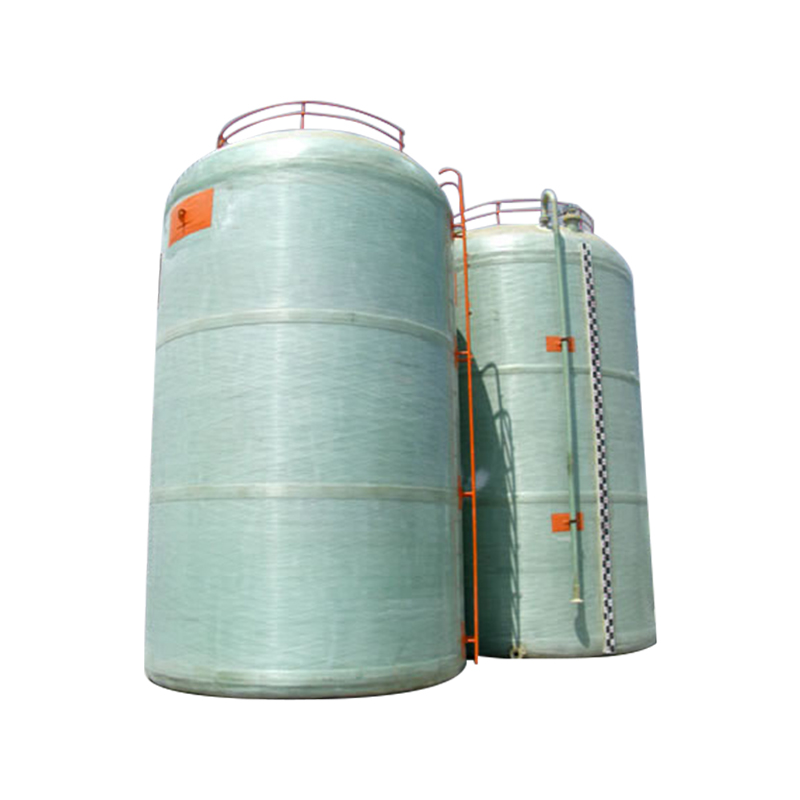
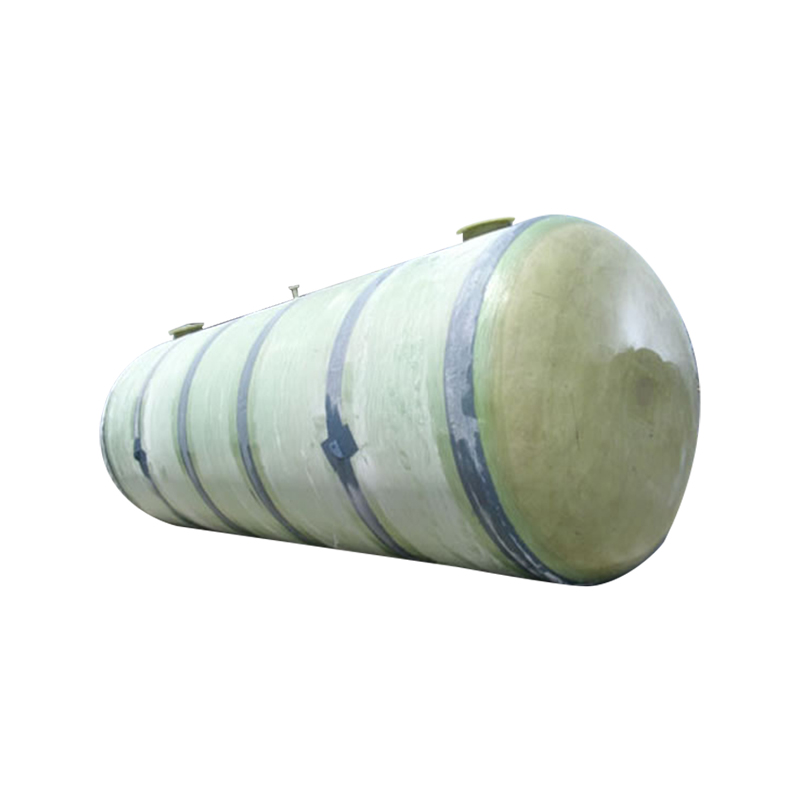
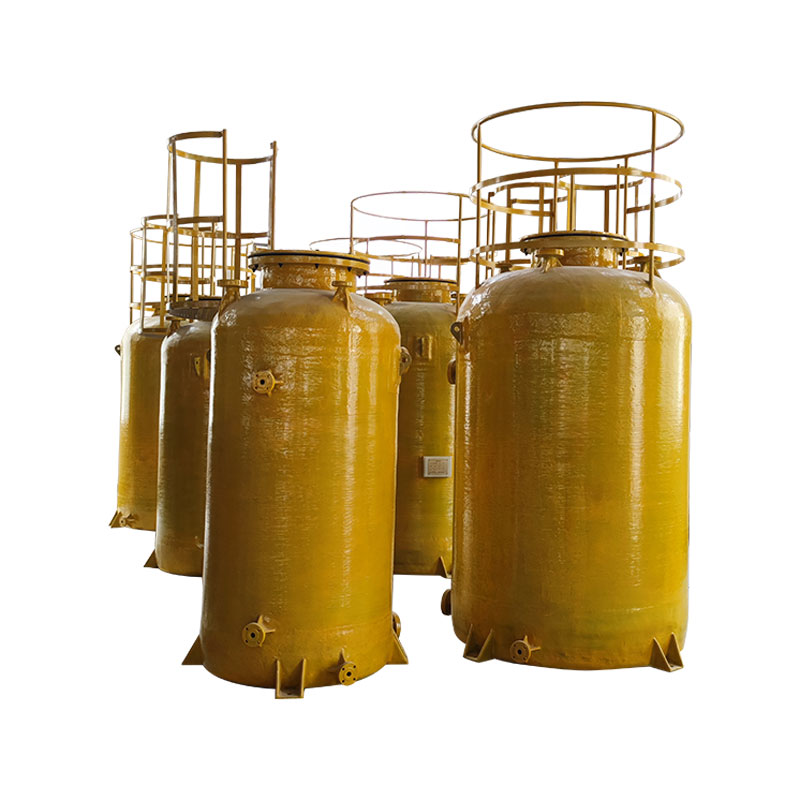
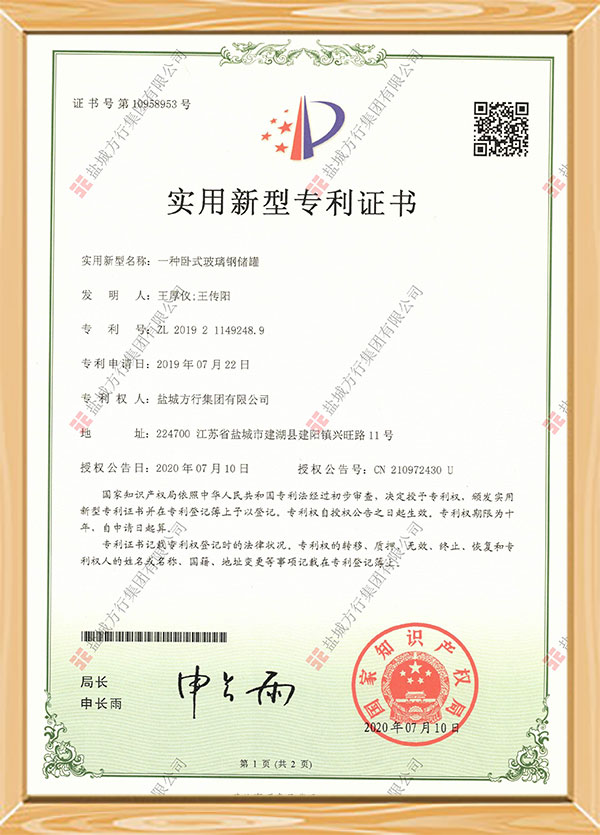
Custom FRP storage tanks offer flexibility in design, allowing them to be shaped and configured to meet specific site constraints and functional needs. The most common tank shapes are cylindrical and vertical, but other shapes such as horizontal or rectangular may be required depending on the installation environment. Site-specific factors like available space, accessibility for maintenance, and ease of installation determine the tank’s shape. For instance, a horizontal tank might be preferred when the space is limited in height, while a vertical tank might be ideal for areas where the footprint is restricted. Tanks need to be configured to fit the site’s operational requirements. This includes considering factors like inlet and outlet positions, accessibility for cleaning, and the integration of monitoring equipment. Customization of tank shape can also be influenced by regulatory requirements, such as fire codes or environmental regulations, which may mandate specific configurations for safety reasons. For instance, tanks installed underground often require specialized access points and structural reinforcements to prevent collapsing under soil pressure. Yancheng Fangxing Group Co., Ltd. excels in providing tailored designs that meet both functional and regulatory requirements, ensuring that each FRP storage tank is optimized for the specific needs of its location and purpose.



 Tiếng Việt
 عربى
عربى Get a quote

 Tel: +86 0515-86302568
  E-mail:
  Add: No. 11, Xingwang Road, Jianyang Town, Jianhu County, Jiangsu Province, China