The main types of water tanks are sectional tanks, polyethylene (plastic) tanks, fiberglass (GRP) tanks, concrete tanks, steel tanks, and bladder tanks — each suited to different capacities, installation conditions, and water quality requirements. Among these, the sectional water tank stands out for large-volume commercial and industrial applications because it can be assembled on-site in spaces where a monolithic tank could never fit, configured to almost any capacity, and expanded or relocated without full replacement. Choosing the right tank type depends on five key factors: required storage volume, available installation space, water quality standards, budget, and expected service life.
Overview: The Main Types of Water Tanks
Water tanks span an enormous range of sizes, from a 200-liter household polyethylene tank to a 500,000-liter sectional GRP tank serving a hospital complex. The six principal categories differ in material, construction method, installation requirements, and typical application:
| Tank Type |
Typical Capacity Range |
Primary Material |
Best For |
Typical Service Life |
| Sectional Water Tank |
1,000 L – 500,000+ L |
GRP / Stainless steel panels |
Commercial, industrial, restricted-access sites |
25–50 years |
| Polyethylene (Plastic) Tank |
100 L – 50,000 L |
HDPE / LLDPE |
Residential, agricultural, light commercial |
10–20 years |
| Fiberglass (GRP) Tank |
500 L – 200,000 L |
Glass-reinforced plastic |
Underground storage, chemical resistance |
30–50 years |
| Concrete Tank |
5,000 L – millions of litres |
Reinforced concrete |
Municipal water supply, rainwater harvesting |
50–100 years |
| Steel Tank (Welded / Bolted) |
5,000 L – 10,000,000 L |
Carbon steel / Stainless steel |
Fire suppression, industrial process water |
20–40 years |
| Bladder / Pillow Tank |
1,000 L – 2,000,000 L |
Reinforced PVC / TPU |
Emergency response, temporary storage, military |
5–15 years |
Comparison of the six main water tank types by capacity, material, application, and expected service life
What Is a Sectional Water Tank and Why Is It Widely Used?
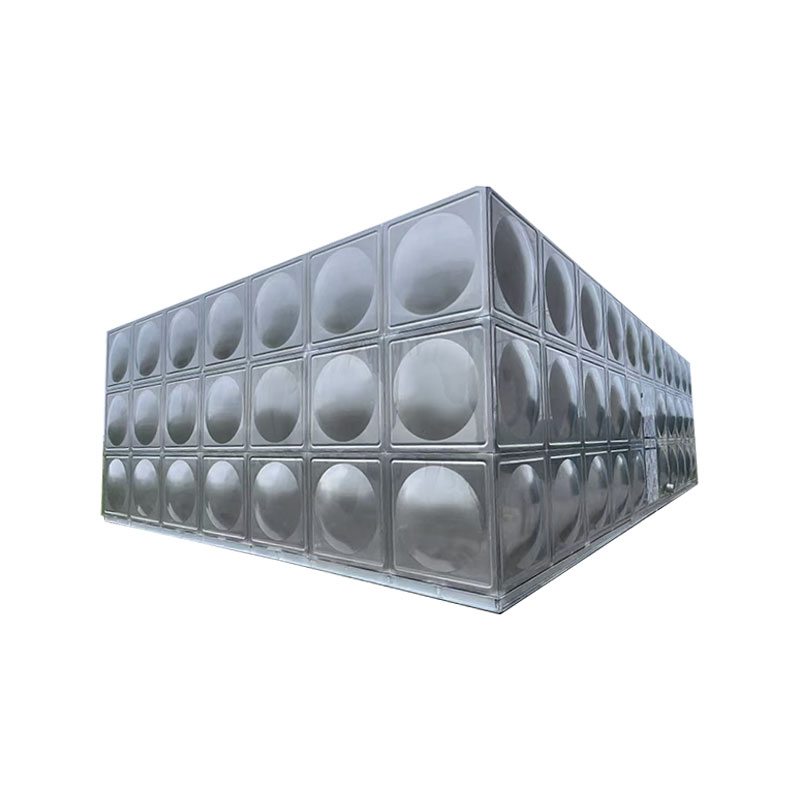
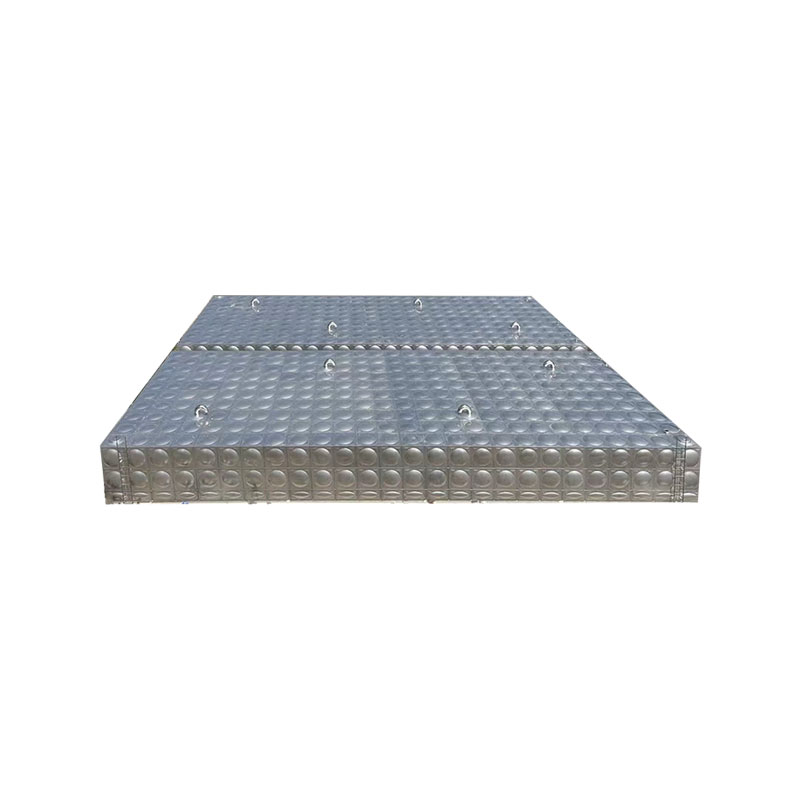
A sectional water tank is a modular storage system assembled from individual flat panels — most commonly made from glass-reinforced plastic (GRP/FRP) or food-grade stainless steel — bolted together on site with food-safe rubber gaskets at every joint. Standard panel sizes are typically 0.5 m × 0.5 m or 1 m × 1 m, allowing the tank to be built to virtually any rectangular or square configuration simply by varying the number of panels in each dimension.
The critical advantage over monolithic tanks is access. Because each panel passes through a standard doorway (panels weigh as little as 3–8 kg each), sectional tanks can be installed in plant rooms, rooftops, basements, and mechanical spaces that a pre-formed tank of equivalent volume could never reach. A 100,000-liter sectional tank, for example, can be assembled entirely through a 900 mm × 2,100 mm doorway — a feat impossible for any single-piece tank of that size.
Sectional tanks are the standard cold water storage solution in commercial buildings, hospitals, hotels, schools, and data centers across the UK, Middle East, Southeast Asia, and beyond. They are manufactured to comply with BS EN 13280 (GRP tanks) and WRAS (Water Regulations Advisory Scheme) approval standards in the United Kingdom, and equivalent NSF/ANSI 61 standards in North America.
GRP Sectional Tanks vs. Stainless Steel Sectional Tanks
The two dominant materials for sectional water tank panels — GRP and stainless steel — each offer distinct advantages. The choice between them is determined by environment, water quality requirements, budget, and expected service duration.
GRP (Glass-Reinforced Plastic) Sectional Panels
GRP panels are the most widely installed type globally. They are lightweight (3–8 kg per 1 m² panel), corrosion-proof, thermally insulating, and cost-effective. The food-grade gel coat interior resists bacterial adhesion and prevents algae growth when the tank is properly covered and shaded. GRP sectional tanks are typically 20–40% less expensive than equivalent stainless steel configurations and have a proven service life of 25–50 years with periodic gasket replacement (recommended every 10–15 years).
The limitation of GRP is its susceptibility to UV degradation if panels are exposed to direct sunlight without opaque cladding, and it cannot be used for hot water storage above 23°C in most WRAS-approved designs.
Stainless Steel Sectional Panels
Stainless steel sectional tanks — typically fabricated from grade 304 or 316L stainless steel — are preferred in pharmaceutical facilities, food production plants, and any application requiring the highest hygienic standard. Grade 316L offers superior chloride resistance, making it the material of choice for coastal environments or where treated water has elevated chlorine levels. Stainless panels are heavier (12–25 kg per m²) but virtually indestructible under normal service conditions, with service lives routinely exceeding 50 years.
The internal surface of stainless panels is typically 2B or electropolished to Ra ≤ 0.8 µm, which minimizes biofilm adhesion and simplifies cleaning validation — a regulatory requirement in pharmaceutical and food-grade water systems.
How Sectional Water Tanks Are Assembled
The assembly process for a sectional water tank follows a defined sequence that typically takes a two-person team 1–3 days for tanks up to 50,000 liters, depending on panel count and access conditions.
- Base frame installation: A galvanized or stainless steel structural base frame is leveled and secured to the floor or roof slab. This distributes the full water load — a 50,000-liter tank exerts a floor load of approximately 50 tonnes (490 kN) — across the supporting structure. Structural calculations must confirm the floor can bear this load before installation proceeds.
- Base panel placement: Floor panels are laid onto the base frame and connected using stainless steel bolts at panel flanges, with a food-safe EPDM or SBR rubber gasket compressed between each joint to achieve a watertight seal.
- Wall panel erection: Side panels are erected in sequence, typically starting from a corner, with each panel bolted to its neighbor and to the base panel flange. Internal tie rods or angle-iron supports brace the walls against hydrostatic pressure on larger tanks.
- Roof panel fitting: Roof panels complete the enclosure. A manway hatch (minimum 600 mm × 600 mm per BS EN 13280) is incorporated for inspection and cleaning access. Ventilation inlets fitted with vermin-proof mesh and a screened overflow pipe are connected at this stage.
- Pipework connections: Inlet, outlet, overflow, and drain connections are fitted through pre-drilled panel apertures using tank connectors and WRAS-approved compression or flanged fittings.
- Water test and commissioning: The tank is filled slowly to check for leaks at all joints. Any seeping joint is drained, the gasket is inspected and replaced if necessary, and the joint is re-torqued. A disinfection procedure using chlorine dosing to 50 mg/L for 1 hour (or per local water authority requirements) is carried out before the tank enters service.
Polyethylene Tanks: The Residential and Agricultural Standard
Rotationally molded polyethylene (poly) tanks are the most common water storage solution for homes, farms, and small businesses. Manufactured as a single seamless unit in capacities from 100 liters to 50,000 liters, they require no on-site assembly and can be installed by a single person for smaller sizes.
High-density polyethylene (HDPE) and linear low-density polyethylene (LLDPE) are food-grade, UV-stabilized (typically incorporating 2–4% carbon black in black tanks to block all light and prevent algae), and resistant to most dilute chemicals. Standard poly tanks carry a 3–7 year manufacturer warranty with realistic service lives of 10–20 years depending on UV exposure and water quality.
The key limitation of polyethylene tanks is size: single-piece tanks above 25,000–30,000 liters become impractical to transport and install, which is precisely where sectional tanks take over.
Fiberglass (GRP) Monolithic Tanks: Underground and Chemical Storage
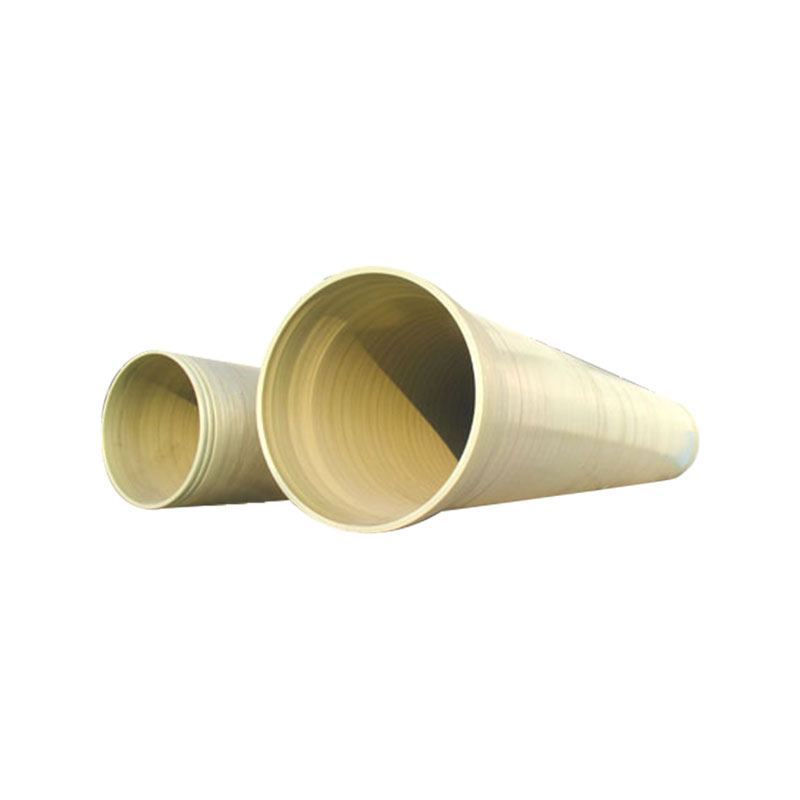
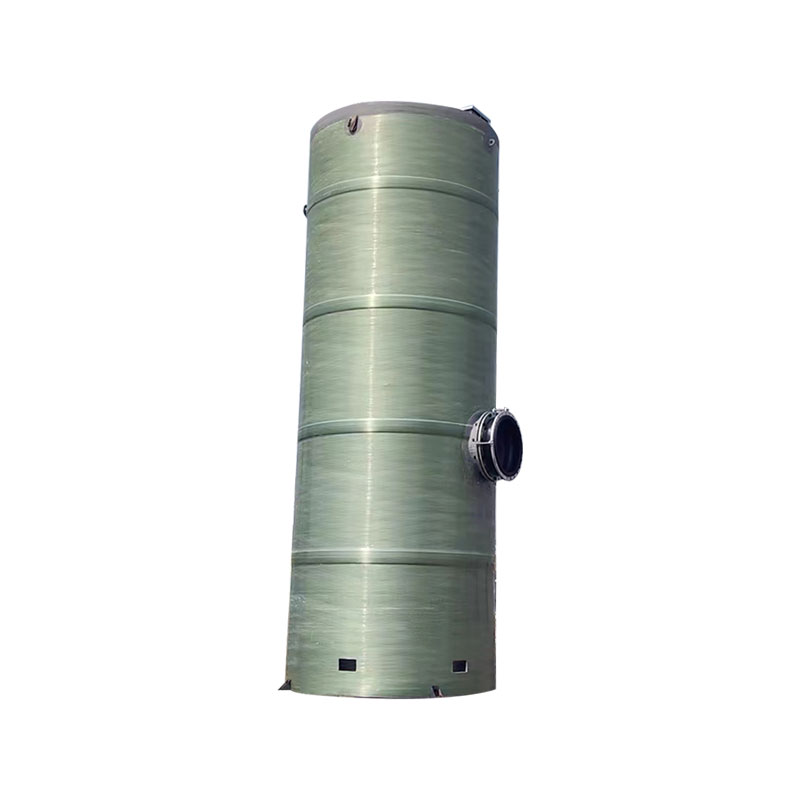
Fiberglass tanks are hand-laid or filament-wound in a single piece and are the dominant choice for underground water storage because their corrosion resistance eliminates the risk of soil-induced degradation that affects steel tanks. Underground GRP tanks resist groundwater pressure and are rated for burial depths typically up to 3.5 meters of cover.
Their chemical resistance makes them suitable for storing treated water with higher chlorine residuals or mildly acidic or alkaline water that would attack steel or concrete. Capacities up to 200,000 liters in a single vessel are available, though logistics and crane requirements make very large monolithic GRP tanks expensive to install.
Concrete Tanks: Maximum Longevity for Municipal Applications
Reinforced concrete tanks are the backbone of municipal water infrastructure, used for service reservoirs, break-pressure tanks, and large-scale rainwater harvesting. Their primary advantage is longevity — well-constructed concrete tanks regularly serve for 50–100 years — and their thermal mass keeps stored water cool, reducing bacterial growth risk.
The critical maintenance requirement for concrete tanks is periodic inspection and re-lining of the internal surface. Concrete is alkaline (pH ~12–13 when new), which can temporarily raise stored water pH and leach calcium. Epoxy or cementitious liners are applied internally to produce a smooth, chemically inert surface that meets potable water standards. Re-lining is typically required every 15–25 years.
Steel Tanks: Fire Suppression and Industrial Process Water
Welded and bolted steel tanks dominate fire suppression water storage and large industrial process water applications. For fire suppression systems, steel tanks must meet standards such as NFPA 22 (USA) or BS EN 1825 (UK), which specify minimum capacities, structural requirements, and suction pipe configurations for sprinkler and hydrant feeds.
Uncoated carbon steel tanks corrode aggressively in contact with water, so interior protection is critical. Options include epoxy coal tar lining, glass fusing, or cathodic protection. Stainless steel tanks (304 or 316) eliminate corrosion concerns but cost 3–5× more than equivalent carbon steel tanks. Hot-dip galvanized bolted steel tanks occupy a middle ground — more corrosion-resistant than plain carbon steel, more affordable than stainless, but limited to pH 6–12 water and service lives of 25–35 years.
Bladder and Pillow Tanks: Portable Emergency and Temporary Storage
Bladder tanks — also called pillow tanks or onion tanks — are collapsible vessels fabricated from reinforced PVC or thermoplastic polyurethane (TPU). When empty, a 100,000-liter bladder tank can be folded into a package small enough to fit in a pickup truck; when filled, it self-supports on flat ground without a rigid shell.
These tanks are the standard solution for disaster relief water distribution, military field operations, and temporary construction site water supply. Deployment time for a 20,000-liter bladder tank is typically under 2 hours with two personnel. Their UV-stabilized covers and NSF-certified materials make them suitable for potable water storage, though their service life of 5–15 years is shorter than rigid tank types due to flexing fatigue and puncture vulnerability.
Key Factors When Choosing Between Water Tank Types
The decision tree for selecting a water tank type is driven by five primary variables. Applying them in order eliminates unsuitable options quickly:
1. Required Storage Volume
For volumes under 25,000 liters, a polyethylene tank is usually the simplest and most cost-effective option. Between 25,000 and 500,000 liters, a sectional GRP or stainless steel tank is typically the preferred choice for above-ground indoor installations. Beyond 500,000 liters, welded steel, bolted steel, or concrete becomes necessary.
2. Installation Location and Access
If the tank must be installed inside an existing building with no large openings, a sectional tank is almost always the only viable option for volumes above 5,000 liters. For outdoor above-ground installation with crane access, GRP monolithic or steel tanks become competitive. For underground installation, GRP or concrete is preferred.
3. Water Quality and Regulatory Standards
Potable (drinking) water storage requires WRAS, NSF/ANSI 61, or equivalent food-grade material certification. For pharmaceutical or food processing applications, stainless steel with electropolished surfaces is required. For fire suppression water that is not potable, a wider range of materials and linings is acceptable.
4. Budget: Capital Cost vs. Whole-Life Cost
Polyethylene tanks have the lowest purchase price but the shortest service life. Concrete tanks have the highest initial construction cost but the lowest cost per decade over a 50-year period. GRP sectional tanks offer a strong balance — moderate purchase price, 25–50 year service life, and low maintenance costs when gaskets are replaced on schedule. The following rough cost comparison illustrates the trade-off for a 50,000-liter above-ground potable water tank:
- GRP sectional tank: £8,000–£18,000 supply and install (varies by supplier and region)
- Stainless steel sectional tank: £20,000–£45,000 supply and install
- Welded steel tank: £12,000–£25,000 supply and install, plus periodic lining costs
- Polyethylene tank (if available at this size): £5,000–£10,000, but service life ~10–15 years
5. Future Expansion Requirements
If storage demand may increase, a sectional tank is uniquely expandable — additional panels can be added to increase capacity without replacing the existing structure. No other tank type can be practically expanded in this way. This makes sectional tanks especially attractive for growing facilities such as hotels under phased construction, expanding data centers, and developing industrial sites.
Sectional Water Tank Maintenance: What Operators Must Do
A sectional water tank requires structured maintenance to preserve water quality and structural integrity. In the UK, HSG274 Part 2 (Legionella guidance) and the Water Supply (Water Fittings) Regulations 1999 set out specific obligations for cold water storage tank operators. Similar requirements apply in most jurisdictions under national drinking water regulations.
| Maintenance Task |
Frequency |
Key Action / Standard |
| Water temperature check (cold water ≤20°C) |
Monthly |
Record inlet and outlet temps; investigate if >20°C |
| Visual inspection (exterior, cover, vents) |
Quarterly |
Check for damage, insulation integrity, vent mesh condition |
| Internal inspection and clean |
Annual (minimum) |
Drain, inspect panels and gaskets, scrub interior, disinfect to HSG274 / BS 8558 |
| Gasket inspection and replacement |
Every 10–15 years |
Replace all panel joint gaskets; re-torque all bolts to manufacturer specification |
| Water sampling (microbiological) |
Annual or post-clean |
Test for total coliforms, E. coli, Legionella per local water authority requirements |
| Ball valve and float inspection |
Annual |
Check for correct shut-off, replace worn washers and seals |
Recommended maintenance schedule for sectional water tanks used in potable cold water storage applications
One of the most critical operational requirements for sectional cold water tanks is maintaining stored water temperature below 20°C at all times. Above this threshold, Legionella pneumophila — the bacterium responsible for Legionnaires' disease — can proliferate rapidly, with optimal growth occurring between 25°C and 45°C. Insulating tanks located in warm plant rooms or exposed rooftops, and maximizing water turnover to prevent stagnation, are the primary control measures.
Sectional Tank Sizing: How to Calculate the Capacity You Need
Correctly sizing a sectional water tank avoids the twin problems of undersizing (inadequate reserve during peak demand) and oversizing (excessive water stagnation and Legionella risk). The following framework applies to commercial and industrial cold water storage:
- Daily demand calculation: Estimate daily water consumption per occupant type. A typical office building uses approximately 40–60 liters per person per day; a hospital uses 200–400 liters per bed per day; a hotel uses 150–250 liters per guest room per day.
- Reserve storage period: The tank should provide a reserve of 24 hours of peak daily demand as a minimum, or up to 48–72 hours where supply interruptions are a risk (e.g., remote locations or single-supply infrastructure).
- Dual-compartment design: For critical applications (hospitals, data centers), CIBSE and BS 8558 recommend dividing the storage volume between two equal-sized compartments so one can be isolated for cleaning and maintenance without interrupting supply. This effectively doubles the number of panels required but is essential for continuous-service facilities.
- Turnover rate check: To minimize stagnation risk, the full tank volume should be replaced within 24 hours under normal operating conditions. If the daily demand is only 10% of the tank capacity, the tank is oversized and water age will be dangerously long.
For a 500-person office building with 50 liters/person/day consumption, the minimum tank capacity would be 500 × 50 = 25,000 liters for a 24-hour reserve. A dual-compartment sectional tank in a 5 m × 2.5 m × 2.5 m configuration (two 12,500-liter compartments side by side) assembled from 1 m × 1 m GRP panels would meet this requirement and fit comfortably in a standard plant room.



 Tiếng Việt
 عربى
عربى Get a quote

 Tel: +86 0515-86302568
  E-mail:
  Add: No. 11, Xingwang Road, Jianyang Town, Jianhu County, Jiangsu Province, China