Key Benefits of Using FRP Pipe Lines in Water Supply and Drainage Systems
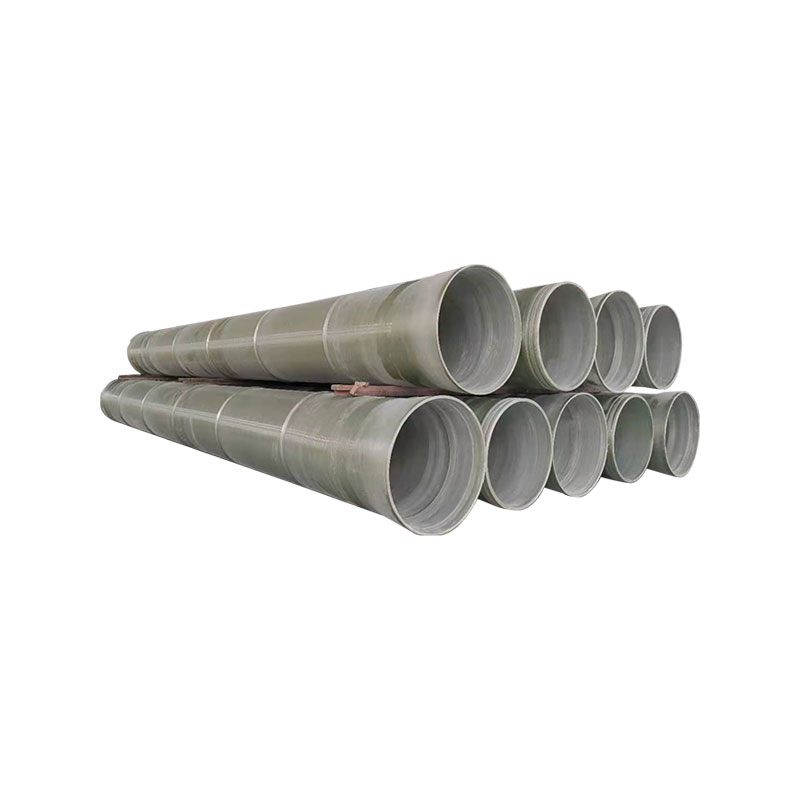
FRP pipes are uniquely resistant to corrosion, which is one of their most significant advantages. Unlike metal pipes, which are prone to rusting when exposed to moisture, FRP pipes remain intact even under harsh conditions. This resistance to corrosion makes FRP pipes particularly beneficial for water supply systems that are often exposed to the elements, soil, and water. The fiberglass reinforcement used in the construction of FRP pipes provides an additional layer of durability. The resin matrix used to bind the fiberglass helps prevent the infiltration of water and other corrosive substances, such as salts, acids, and alkalis, which would typically degrade metals over time. In systems that transport potable water or wastewater, FRP pipes remain unaffected by corrosion, reducing the chances of pipe failure or contamination of the water being transported. FRP pipes do not require the use of expensive anti-corrosion coatings or regular maintenance like traditional metal pipes, which need to be replaced or treated regularly to prevent rusting. This corrosion resistance extends the lifespan of the pipes, making them a more cost-effective solution in the long run. Yancheng Fangxing Group Co., Ltd. utilizes advanced technology and materials in the production of their FRP pipes to ensure that they provide superior corrosion resistance, resulting in long-term reliability and efficiency for water supply and drainage systems.
FRP pipes are renowned for their durability and longevity. Unlike metal pipes that can be prone to cracking or breaking under stress, FRP pipes are designed to withstand pressure fluctuations, mechanical stresses, and impacts. The fiberglass reinforcement used in FRP pipes gives them significant tensile strength, allowing them to handle the demands of high-pressure water systems without compromising their integrity. One of the reasons for the long lifespan of FRP pipes is their resistance to environmental factors that cause traditional materials to degrade. Extreme temperature fluctuations, soil movements, and other external stresses have minimal effect on FRP pipes. These pipes do not suffer from expansion or contraction issues, making them ideal for areas with extreme weather conditions. The long service life of FRP pipes can span over 50 years with proper installation, minimizing the need for repairs or replacements. In water supply and drainage systems, the durability of FRP pipes leads to substantial cost savings. Maintenance and replacement costs are reduced significantly because FRP pipes can perform reliably for decades. For municipalities and industries, this translates to lower overall system maintenance costs and fewer disruptions in service. Yancheng Fangxing Group Co., Ltd. focuses on providing durable and high-quality FRP pipes that deliver long-lasting performance, ensuring that users benefit from low-maintenance systems and fewer repair needs over the years.
The lightweight nature of FRP pipes is one of the key factors that make installation quick and easy. Traditional pipes, such as metal or concrete pipes, are often heavy and require specialized equipment for transport and installation. In contrast, FRP pipes are much lighter—up to 70% lighter than steel pipes—making them easier to handle and maneuver during installation. This reduced weight allows for easier transportation to remote or hard-to-reach areas, where heavy machinery may not be available. In addition to being lightweight, FRP pipes are flexible, which allows them to be easily bent to fit the contours of the installation site. This flexibility reduces the need for complex fittings or joints, further simplifying the installation process. Moreover, fewer workers and less heavy equipment are required, reducing labor costs and installation time. The ease of installation also translates into a safer work environment. Since the pipes are lighter, the risk of injury during handling and installation is minimized. This also means that installation projects can be completed faster, reducing project timelines and costs. Yancheng Fangxing Group Co., Ltd. manufactures FRP pipes with these characteristics in mind, ensuring that their products are easy to install without compromising on strength or performance.
One of the standout features of FRP pipes is their resistance to scaling and biofouling, which are common issues in traditional piping systems. Scaling occurs when minerals in the water, such as calcium and magnesium, accumulate on the inner walls of the pipes, reducing the internal diameter and causing blockages that hinder the flow of water. Biofouling, on the other hand, occurs when microorganisms, such as algae and bacteria, form a slimy layer inside the pipes, further decreasing water flow and quality. FRP pipes have smooth inner surfaces that prevent the buildup of scale and biofilm. The lack of porous surfaces makes it difficult for minerals and microorganisms to adhere to the pipe walls, ensuring that the water flow remains efficient and unimpeded. This feature is particularly important in systems that carry drinking water or wastewater, as it helps maintain water quality and reduces the need for cleaning or maintenance. The resistance to scaling and biofouling helps preserve the structural integrity of the pipes. Over time, scale buildup in metal pipes can weaken the pipes and lead to corrosion, while biofouling can degrade the water quality, causing health hazards. By using FRP pipes, municipalities and industries can ensure that their water supply and drainage systems function at peak efficiency without worrying about contamination or system degradation. Yancheng Fangxing Group Co., Ltd. incorporates these features into their FRP pipes, ensuring long-lasting and high-performance solutions for water systems.
Thermal insulation is an often-overlooked but crucial benefit of FRP pipes, particularly in water supply systems that require temperature control. FRP pipes have thermal insulating properties that prevent heat transfer, meaning that they can help maintain the temperature of the water being transported. This is especially beneficial in systems that carry hot water or other temperature-sensitive liquids. For instance, in heating systems or industrial processes where the temperature of the fluid being transported needs to be maintained, FRP pipes prevent heat loss, ensuring that the water stays at the desired temperature. This can help improve energy efficiency, as less energy is required to compensate for heat loss through the pipes. The insulating properties of FRP pipes also help prevent condensation on the outer surface of the pipes, reducing the potential for water damage to surrounding infrastructure. In hot climates, this feature can also reduce the impact of extreme temperatures on the water, ensuring that the fluid is maintained at a stable temperature, which is crucial for certain applications. By using FRP pipes, systems become more energy-efficient, contributing to overall cost savings in the long term. Yancheng Fangxing Group Co., Ltd. offers FRP solutions that ensure temperature control and energy savings for various applications, ensuring reliable performance over the years.
FRP pipes are particularly well-suited for handling aggressive substances, including chemicals and wastewater. Traditional materials, such as steel and concrete, are vulnerable to corrosion when exposed to acids, alkalis, and other harmful chemicals, which can lead to pipe degradation and water contamination. FRP pipes, however, are made with resins that offer excellent resistance to a wide range of chemicals. This resistance makes FRP pipes ideal for use in wastewater treatment plants, industrial water systems, and chemical processing facilities, where the fluid being transported can often contain corrosive substances. Whether it's acids, alkalis, or solvents, FRP pipes maintain their integrity without corroding or leaching harmful substances into the environment. The ability to handle aggressive chemicals means that FRP pipes are more reliable and durable in these applications compared to traditional materials. They also contribute to improved environmental protection, as there is less risk of contamination or leakage of harmful chemicals into surrounding areas. Yancheng Fangxing Group Co., Ltd. manufactures FRP pipes specifically designed for chemical resistance, ensuring safe and reliable operation for critical infrastructure.



 Tiếng Việt
 عربى
عربى Get a quote

 Tel: +86 0515-86302568
  E-mail:
  Add: No. 11, Xingwang Road, Jianyang Town, Jianhu County, Jiangsu Province, China