


 Tiếng Việt
 عربى
عربى Get a quote
FANGXING
FANGXING
FANGXING
FANGXING
FANGXING
FANGXING
FANGXING
FANGXING
FANGXING
FANGXING
FANGXING
FANGXING
FANGXING
FANGXING
FANGXING
FANGXING
Connection accessories:
socket type, butt type, flange type, O-ring elbow, T-tube, reducer, flat welding flange, etc.
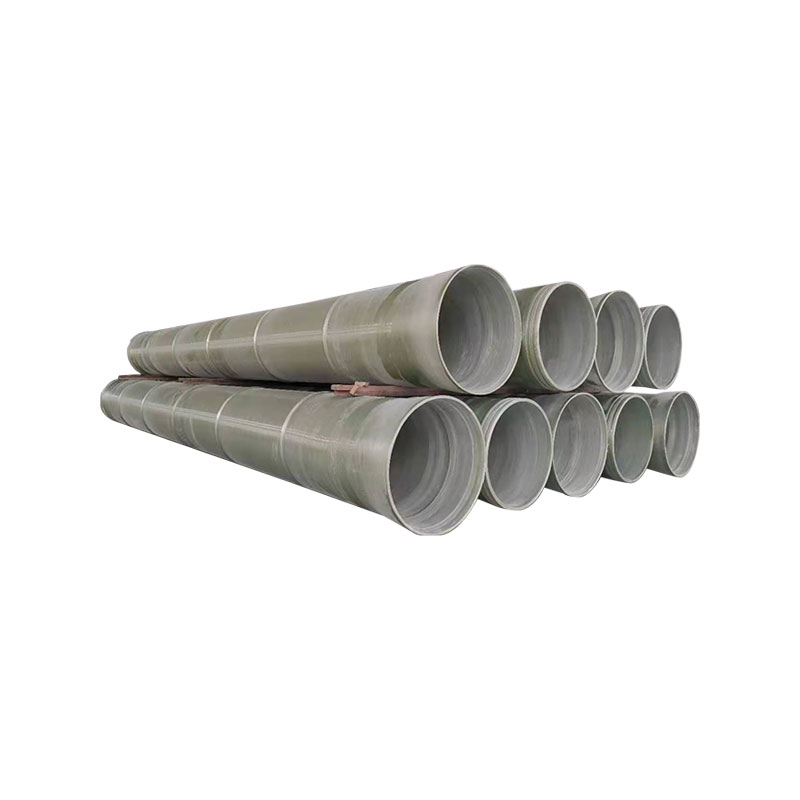
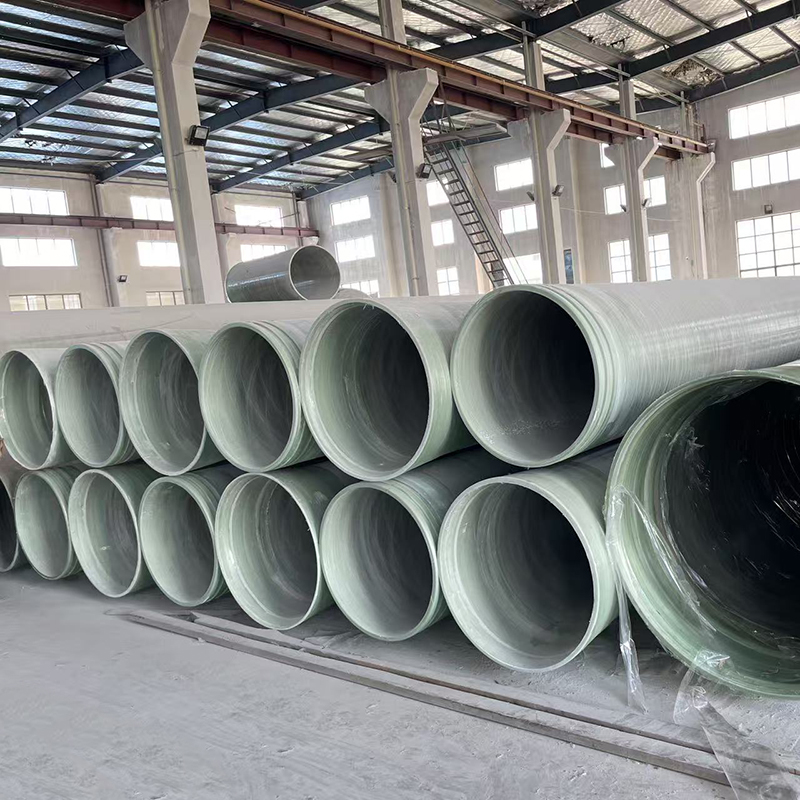
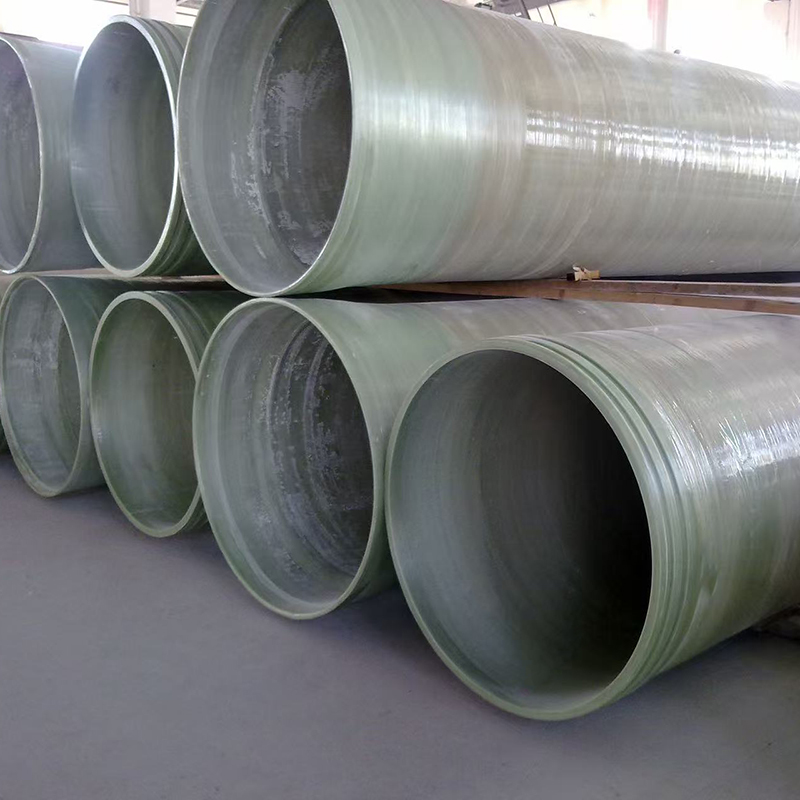
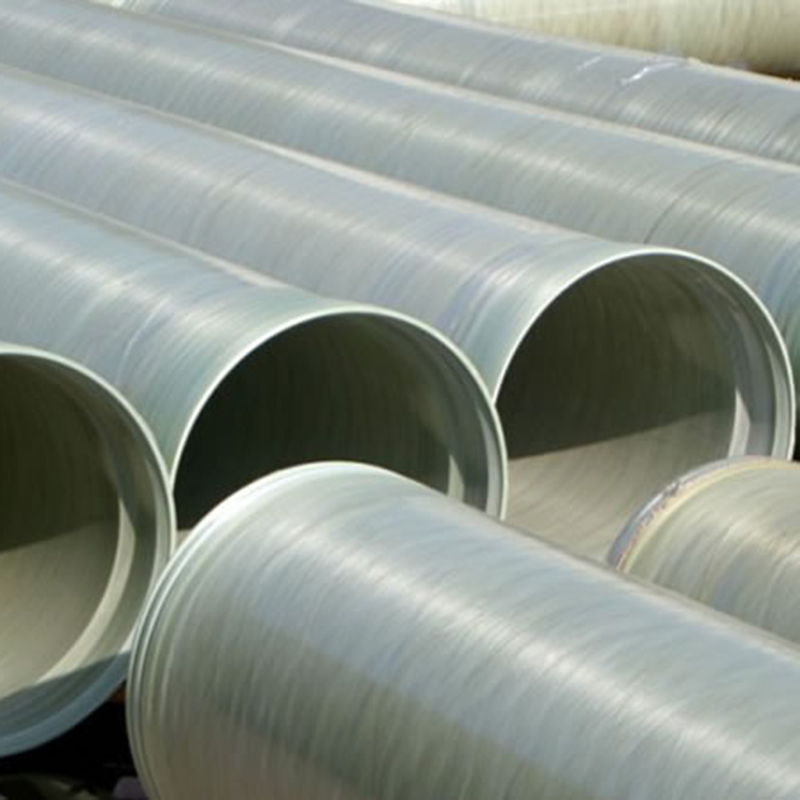
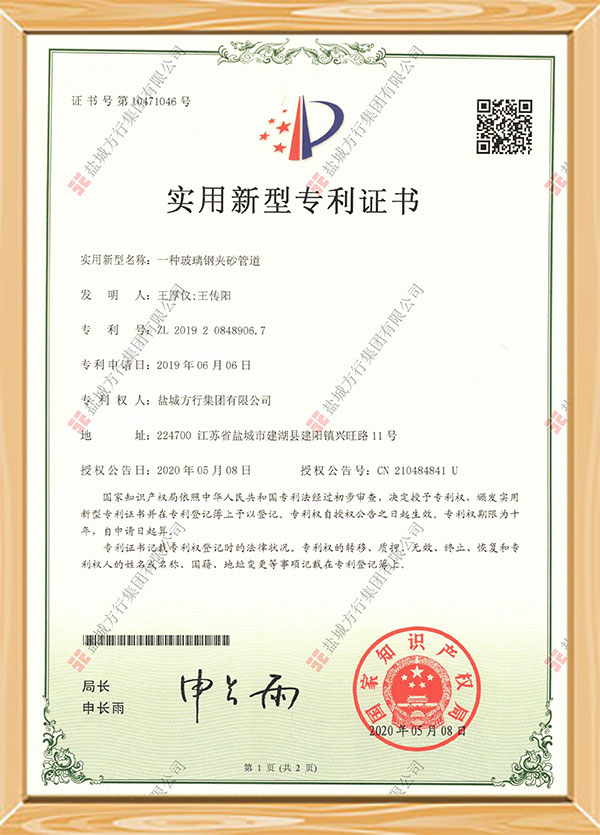
FRP pipes are mainly divided into the following categories from the manufacturing process: pure FRP pipes, sand-filled pipes, high-pressure pipes, and insulation pipes.
FRP pipes are mainly divided into the following categories from the application fields: oil pipelines, chemical pipelines, power pipelines, pharmaceutical pipelines, paper pulp, urban water supply and drainage pipelines, industrial sewage pipelines, seawater desalination pipelines, gas transmission pipelines, natural gas transmission pipelines, etc.
FRP sand-filled pipes
Fiber-wound FRP sand-filled pipes are reliable, safe and economical. They are mainly used for buried pipes and long-distance pipelines. They are lightweight, high-strength, corrosion-resistant, long-life, and low operating and maintenance costs. They can save a lot of money for construction projects.
1. Features
1. Lightweight and high-strength: The specific gravity of FRP sand-filled pipes is 1.65~2.0. For the unit length weight of the same pipe diameter, it is only 1/3 of carbon steel, 1/5 of cast iron pipes for FRP pipes, and 1/10 of prestressed concrete pipes, which reduces the hoisting cost during construction and increases the installation speed.
2. Good hydraulic properties: This feature is particularly prominent in the field of water supply and drainage, and its hydraulic properties are good.
(1) It can save the cost of pipe network pumping. (2) Reduce the pipe diameter. (3) Shorten the pumping time. (4) FRP pipes will not scale during long-term water transportation, and no cleaning is required, so the water quality will not be polluted again.
3. Good water and corrosion resistance: FRP sand-filled pipes have corrosion resistance, which reduces the cost of anti-corrosion and extends the service life; at the same time, because they do not rust, the water quality of the water is not polluted again. It can also be used to transport sewage, mud, seawater and other media.
4. Pressure resistance: Design and manufacture pipes and pipe fittings according to the pressure required by the process, and conduct water pressure tests at 1.5 times the pressure required by the process.
5. The interface has good sealing, no leakage, no rupture, and increases the safety and reliability of water supply.
6. Non-toxic, can be used to transport drinking water.
2. Applications
◆ Drinking water transmission trunk pipes and water distribution pipes
◆ Sewage pipes, rainwater pipes
◆ Agricultural irrigation pipes
3. Main molding process
Controlled by a computer, the lining is manufactured on the core mold according to the same process as the fiber-wound FRP pipe. After gelling, the structural layer is wound according to the designed line shape and thickness, and the mortar mixed with quartz sand and resin is wound in the structural layer, and finally the outer protective layer is wound.
4. Raw and auxiliary materials: resin, chopped fiber, continuous glass fiber and quartz sand.
5. Product specifications
Diameter: DN100-4000
Pressure level: 0.1MPa, 0.6MPa, 1.0MPa, 1.6MPa, 2.0MPa, 2.5MPa
Stiffness level: SN1250, SN2500, SN5000, SN10000.
Length: 6m, 12m

 Tel: +86 0515-86302568
  E-mail:
  Add: No. 11, Xingwang Road, Jianyang Town, Jianhu County, Jiangsu Province, China