


 Tiếng Việt
 عربى
عربى Get a quote
FANGXING
FANGXING
FANGXING
FANGXING
FANGXING
FANGXING
FANGXING
FANGXING
FANGXING
FANGXING
FANGXING
FANGXING
FANGXING
FANGXING
FANGXING
FANGXING
Recommended Products
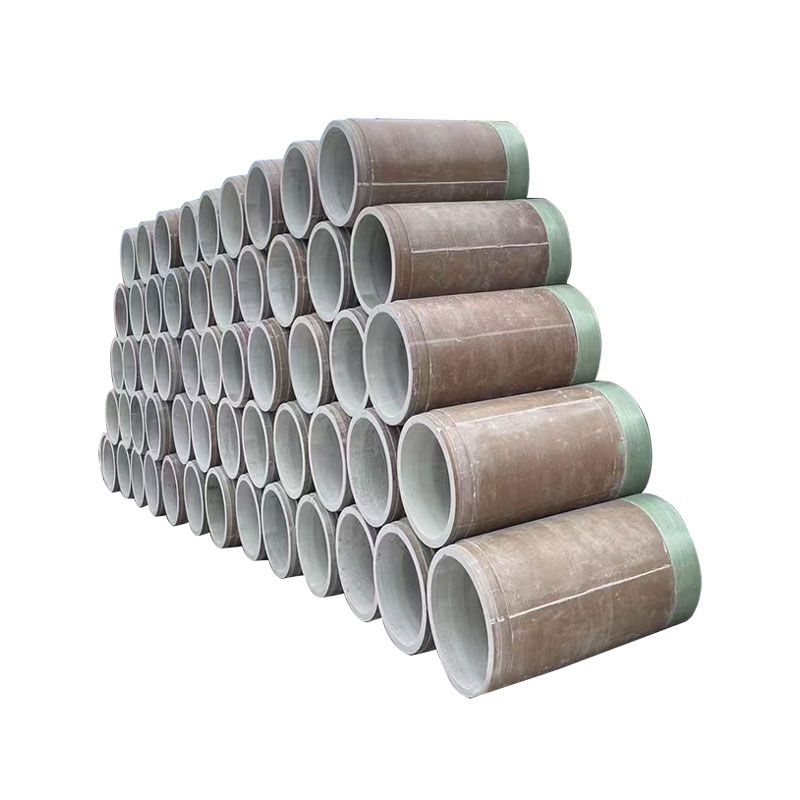
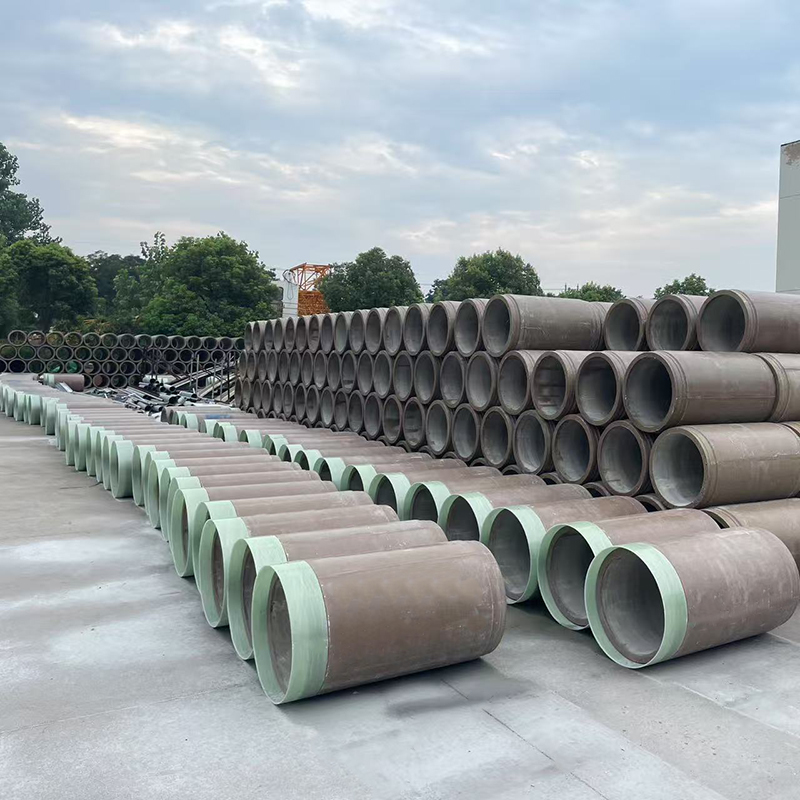
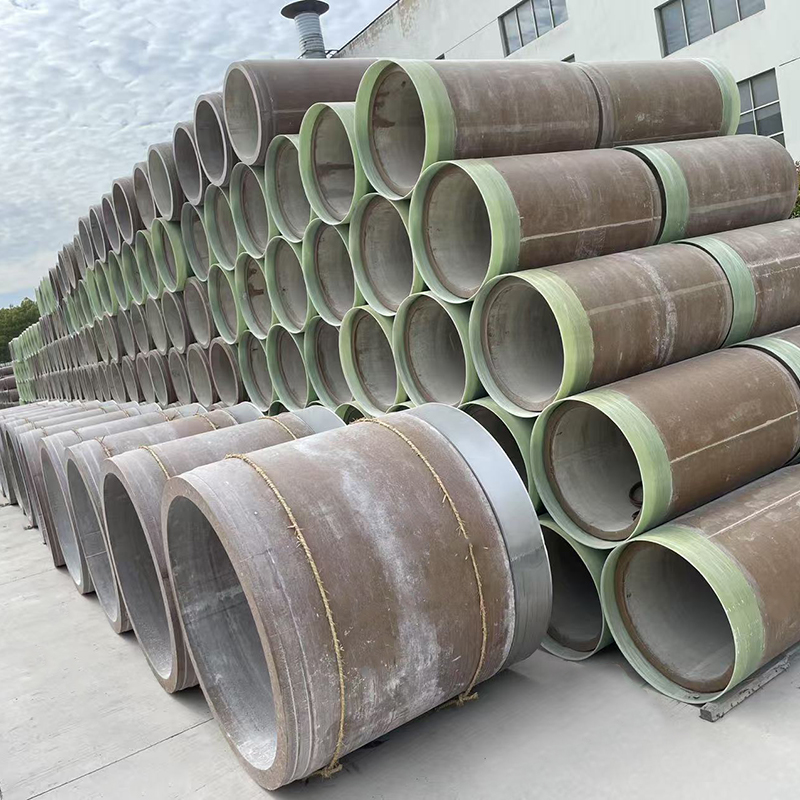
Vertical Vibration FRP Jacking Pipe
The production process of glass fiber reinforced plastic jacking pipe is: vertical vibration, which is to pour mixed quartz sand and other granular materials, unsaturated polyester resin, and glass fiber between the inner and outer layers of vertically placed continuous winding glass fiber reinforced plastic, and make it dense by vibration, and solidify and bond it to form a pipe. It is also commonly known as: resin concrete micro-jacking pipe. The pipe is one meter long and is widely used in places where people cannot enter. The micro-jacking pipe has comprehensive advantages such as precise elevation control and no risk of settlement caused by hole expansion. This advantage also makes it the preferred pipe to replace traditional drag pipes in the field of rainwater and sewage. It is widely used in various fields such as tap water, gas, cable, and communication. The micro-jacking pipe is light in weight, and the weight of the same diameter pipe is only 1/3 of that of the traditional concrete jacking pipe. It is easy to correct deviation during construction, the glass fiber reinforced plastic layer on the outer wall of the pipe is smooth, the friction resistance is small, and the jacking speed is fast. The light and smooth pipe reduces the cost of transportation, hoisting, excavation and jacking, and greatly shortens the construction time.
Related Products
-
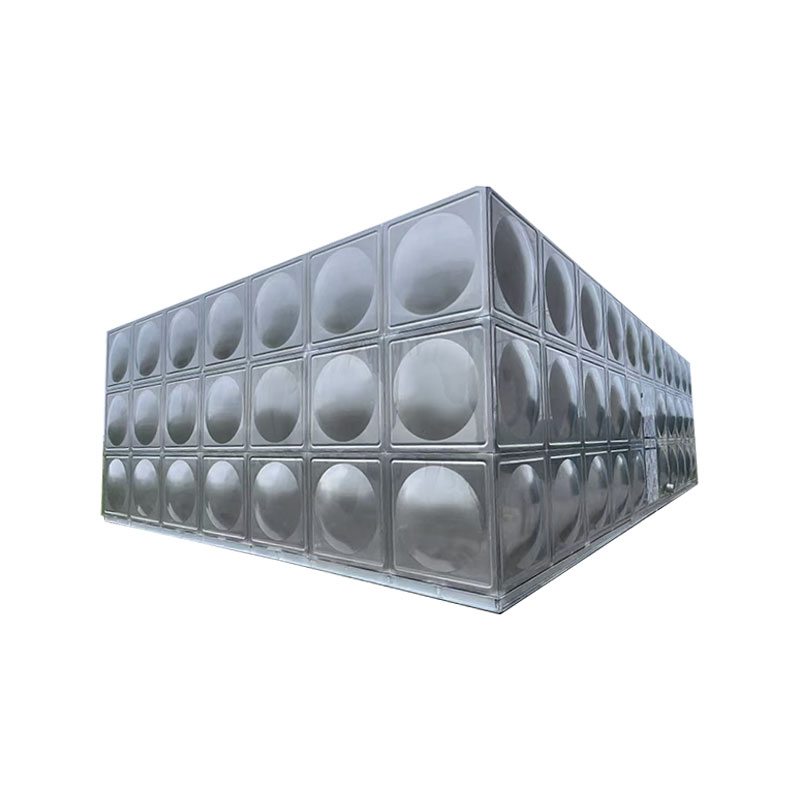
Stainless steel sectional fire water tank
Stainless Steel Sectional Water Tank
Stainless steel sectional fire water tanks are made of 304 stainless steel and are widely used in residential, office buildings, hotels, daily life, f...
See Details -
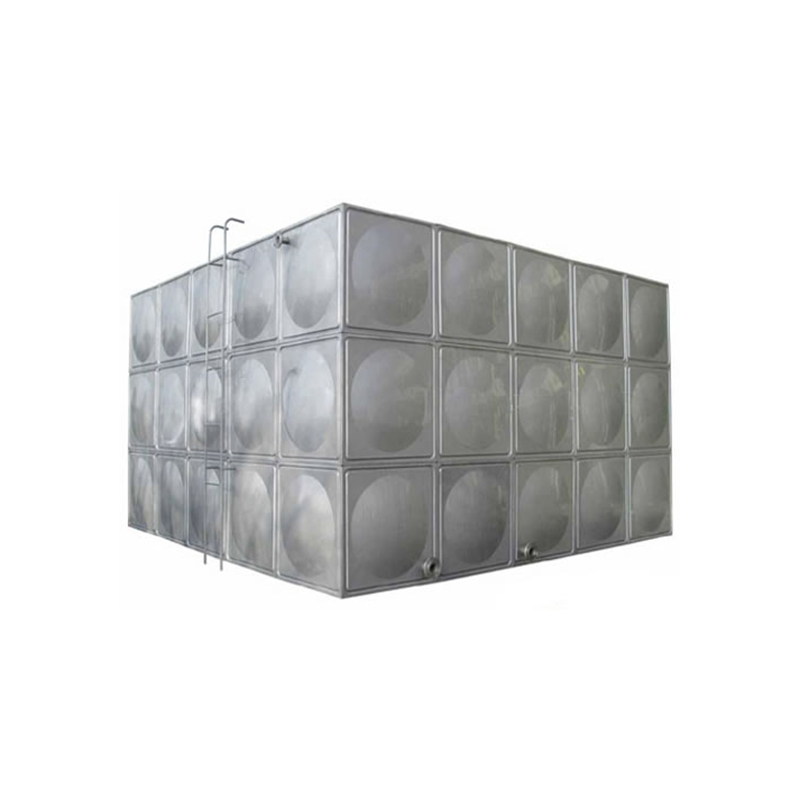
Welded Stainless Steel Sectional Water Tank
Stainless Steel Sectional Water Tank
Welded stainless steel sectional water tanks are water storage devices constructed from stainless steel plates and assembled through welding. They off...
See Details -
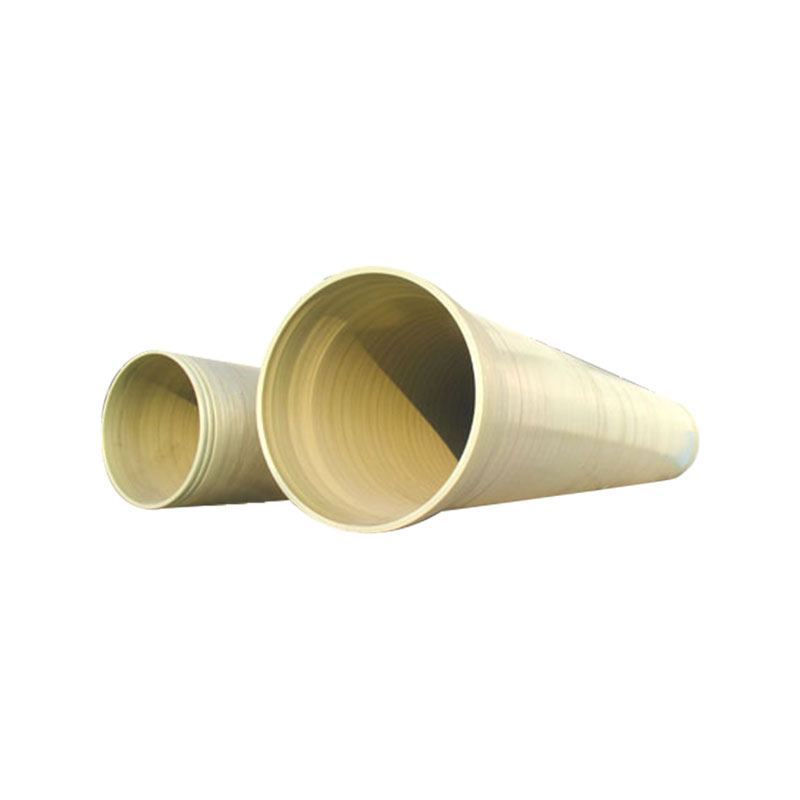
Fixed-length Winding FRP jacking pipe
FRP Pipes
The fixed-length winding FRP pipe is a microcomputer-controlled winding FRP pipe. Its main raw materials are FRP fibers and their products (felt), and...
See Details -
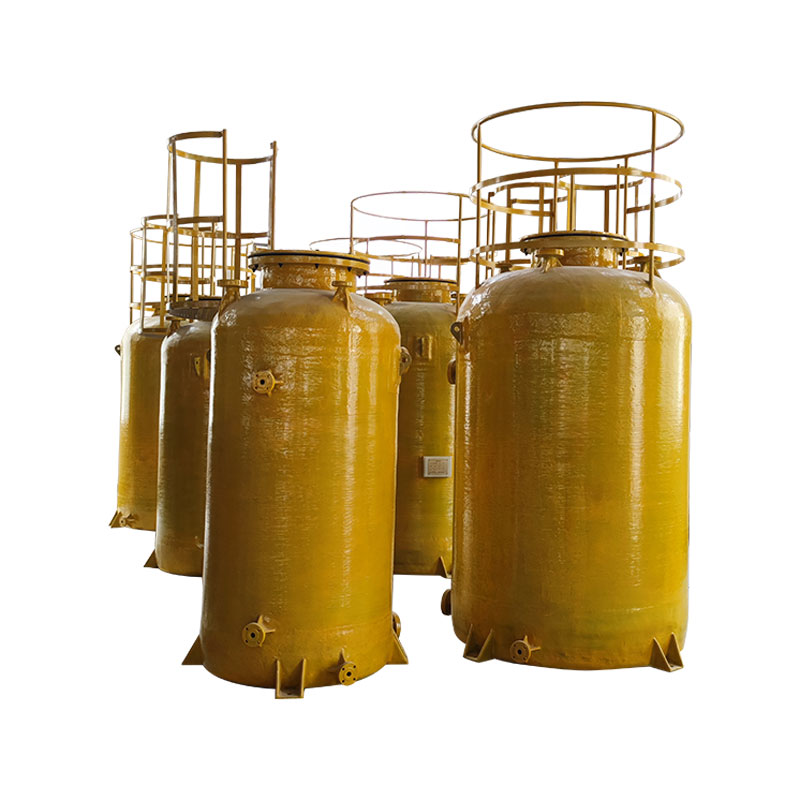
FRP chemical storage tank
FRP Storage Tank
FRP chemical storage tanks have a smooth surface and are easy to construct. They have special properties such as wear resistance, insulation, strong a...
See Details -
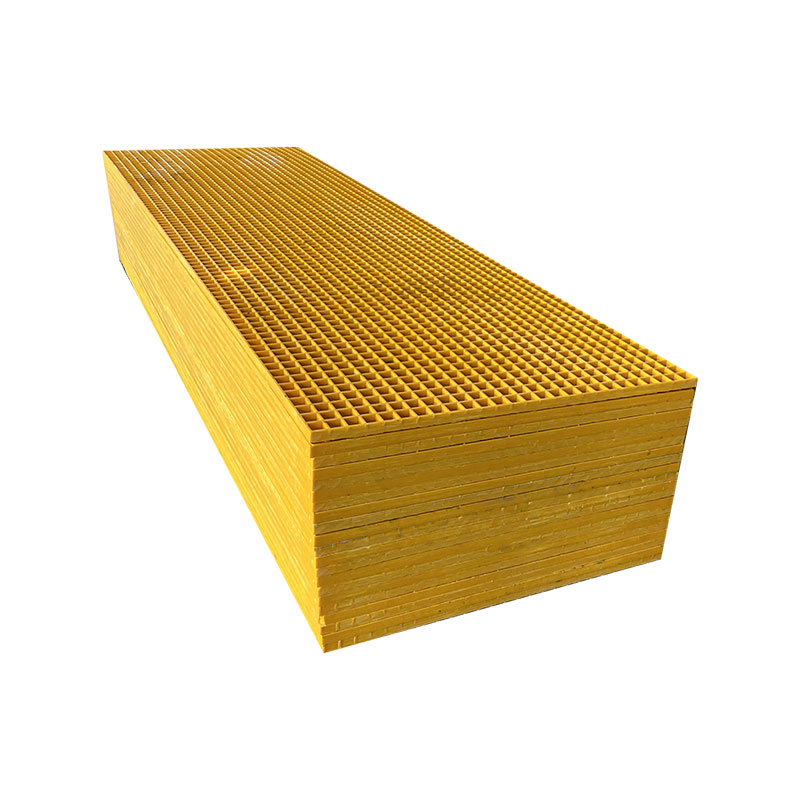
Frp grating
Frp Grating
Fiberglass grating is made of interlaced woven glass fibers, which are fully impregnated with unsaturated polyester resins (including ortho -, meta -,...
See Details -
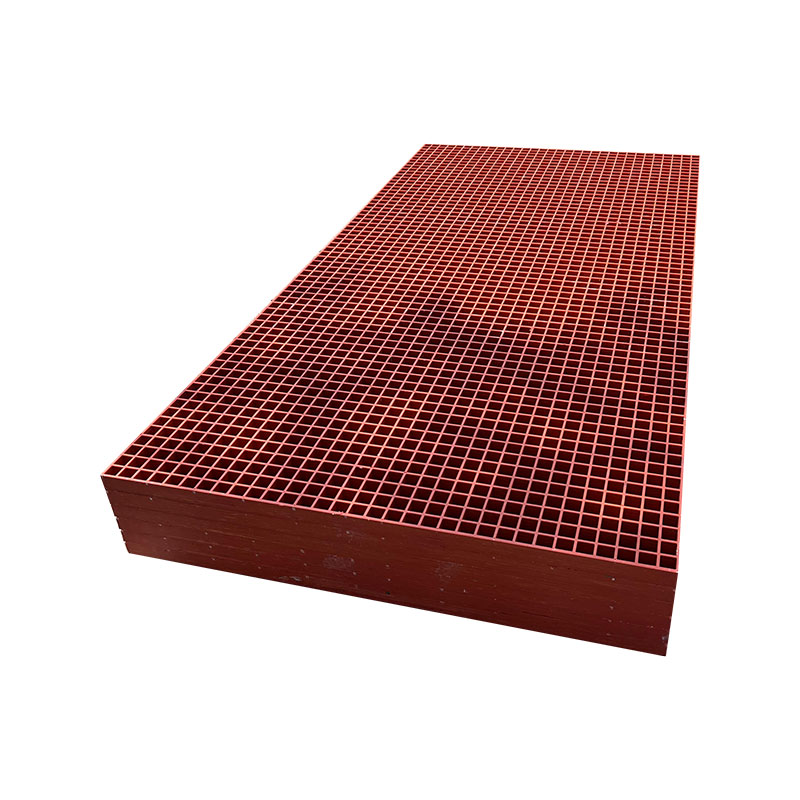
Fiberglass grating grid plate
Frp Grating
Fiberglass grating grid board is a composite material board with numerous regular spaces, carefully crafted through a special molding process that com...
See Details
About Us
Yancheng Fangxing Group Co., Ltd.
Yancheng Fangxing Group Co., Ltd. Founded in 1977, Yancheng Fangxing Group Co., Ltd. is a water supply and drainage equipment enterprise integrating R&D, design, production, sales, installation and service. As a famous Vertical Vibration FRP Jacking Pipe Manufacturers and Vertical Vibration FRP Jacking Pipe Factory, the main products of the company include “Fangxiang” brand fiberglass reinforced plastic (FRP) sandwiched pipes, FRP sandwiched pipes, FRP storage tanks, integrated prefabricated pumping stations, integrated living and fire fighting boxes and pumps, wastewater treatment equipments, FRP water tanks, stainless steel water tanks, etc. The company's technology and after-sales service have been perfected in the same industry. The company's technology and after-sales service is improving day by day, and enjoys high popularity and reputation among peers.
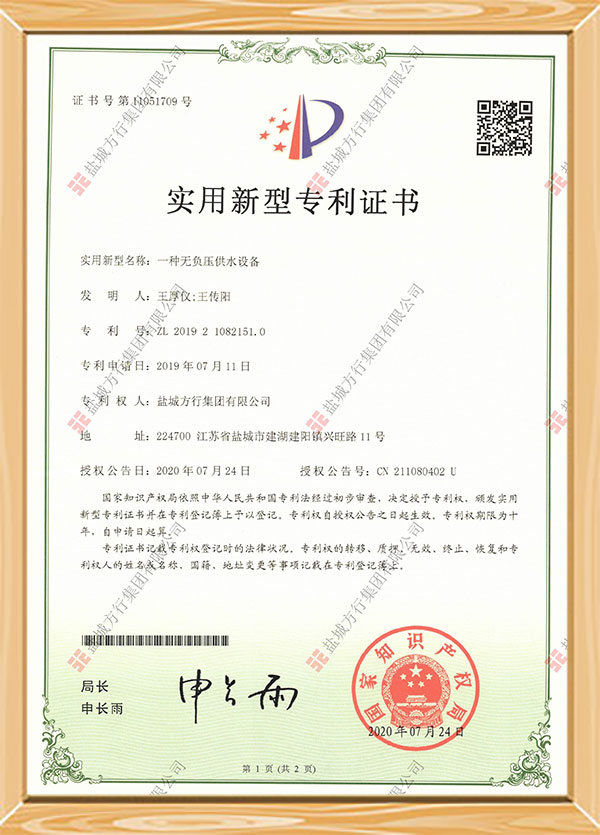
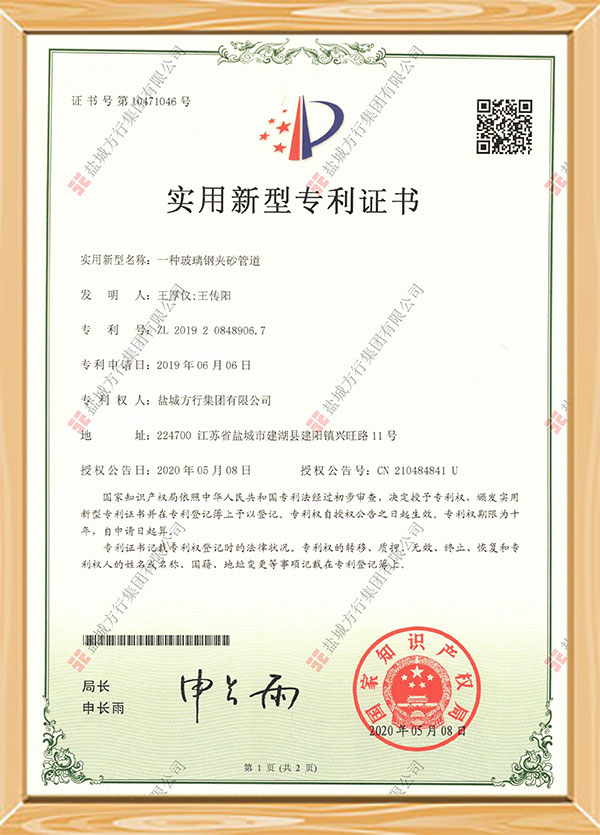
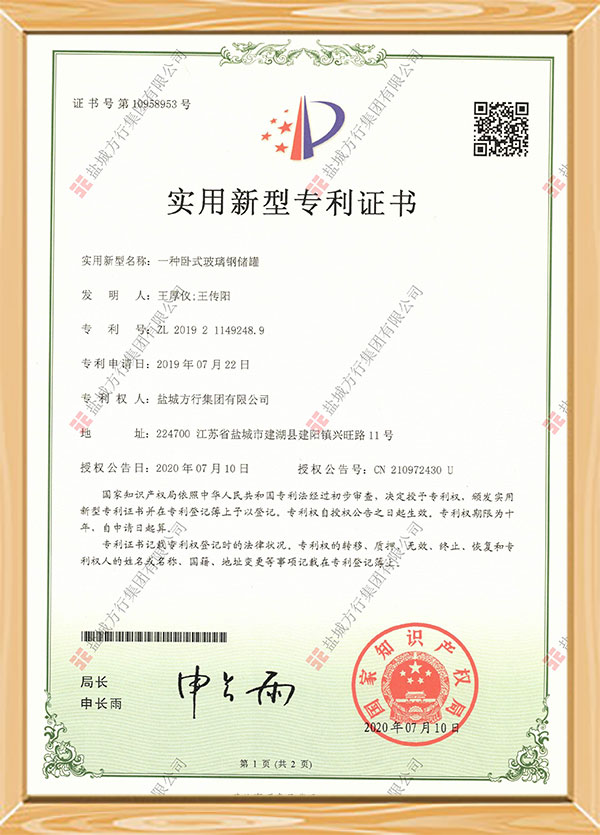
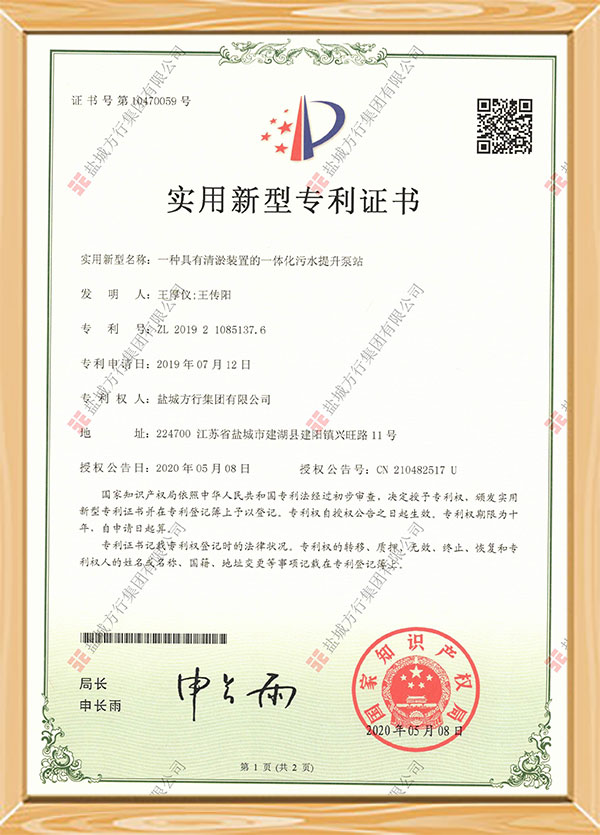
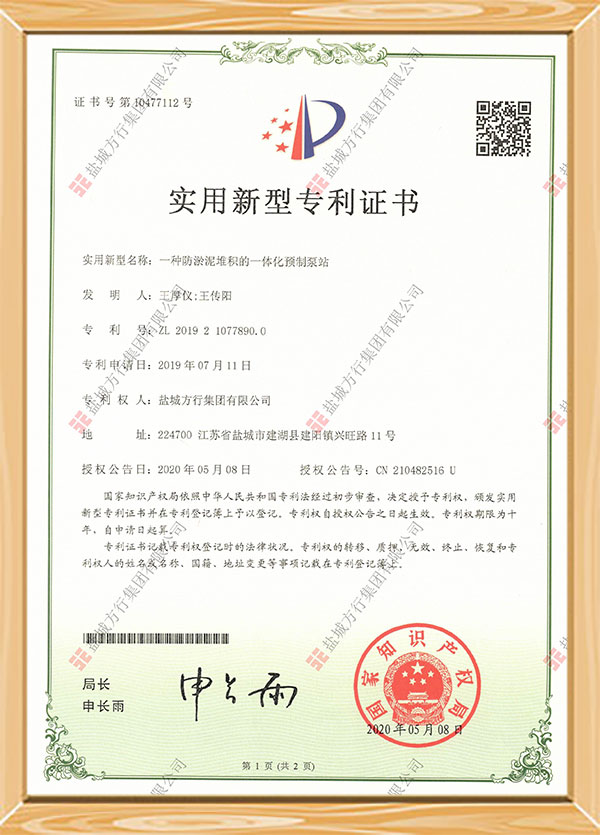
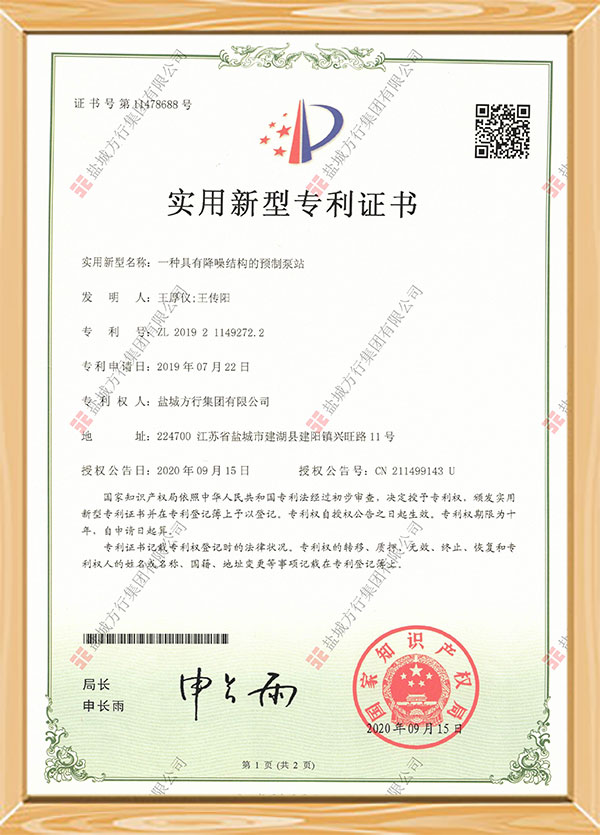
Certificate Of Honor
News
-
What Is an FRP Storage Tank? Benefits, Applications, and Lifespan Guide
What Is an FRP Storage Tank An FRP storage tank is a vessel built from fiberglass reinforced plastic — a composite of g...
READ MORE -
FRP vs Fiberglass: The Real Difference, Explained for Pipe Specs
FRP and fiberglass are related but not identical: fiberglass is glass fibers alone or as the reinforcement inside a com...
READ MORE -
What Is an Assembly Bolted Sectional Water Tank? The Modular Storage Guide
What Is an Assembly Bolted Sectional Water Tank? An assembly bolted sectional water tank is a modular storage tank buil...
READ MORE -
Stainless Steel Sectional Water Tank Guide: Modular Design, Sizing, and Longevity
The Direct Answer: What a Stainless Steel Sectional Water Tank Is Built For A stainless steel sectional water tank is a...
READ MORE -
RP Integrated Pump Stations: The Ultimate Guide
What Is an FRP Integrated Pump Station? The Direct Answer An FRP integrated pump station is a factory-prefabricated was...
READ MORE

-
 Tel: +86 0515-86302568
 -
 E-mail: [email protected]
 -
 Add: No. 11, Xingwang Road, Jianyang Town, Jianhu County, Jiangsu Province, China
PRODUCTS
MESSAGE
Copyright 2025 Yancheng Fangxing Group Co., Ltd. All Rights Reserved.
 Custom Vertical Vibration FRP Jacking Pipe Factory