Water is a critical resource in various industries, whether it’s used for cooling systems, cleaning processes, production, or even as part of the supply chain. Efficient water storage and management are key components of any industrial operation, directly impacting both productivity and operational costs. Among the various water storage options available, stainless steel sectional water tanks have emerged as a top choice due to their robustness, flexibility, and superior performance in industrial environments.
1. Enhanced Durability and Longevity
One of the key benefits of using stainless steel sectional water tanks is their exceptional durability. Unlike traditional materials such as concrete, plastic, or fiberglass, stainless steel is highly resistant to corrosion, rust, and wear. Industrial environments, particularly in areas with harsh weather conditions, high temperatures, or exposure to chemicals, require storage solutions that can withstand these stressors without degrading over time.
Stainless steel is non-reactive, meaning it won’t contaminate the stored water or leach chemicals into it, ensuring that the water remains safe and clean. Additionally, the material’s resistance to corrosion makes it ideal for long-term use, significantly reducing the need for frequent maintenance or replacement. This durability translates to fewer interruptions in water supply, leading to a more efficient industrial operation.
2. Modular Design for Customization
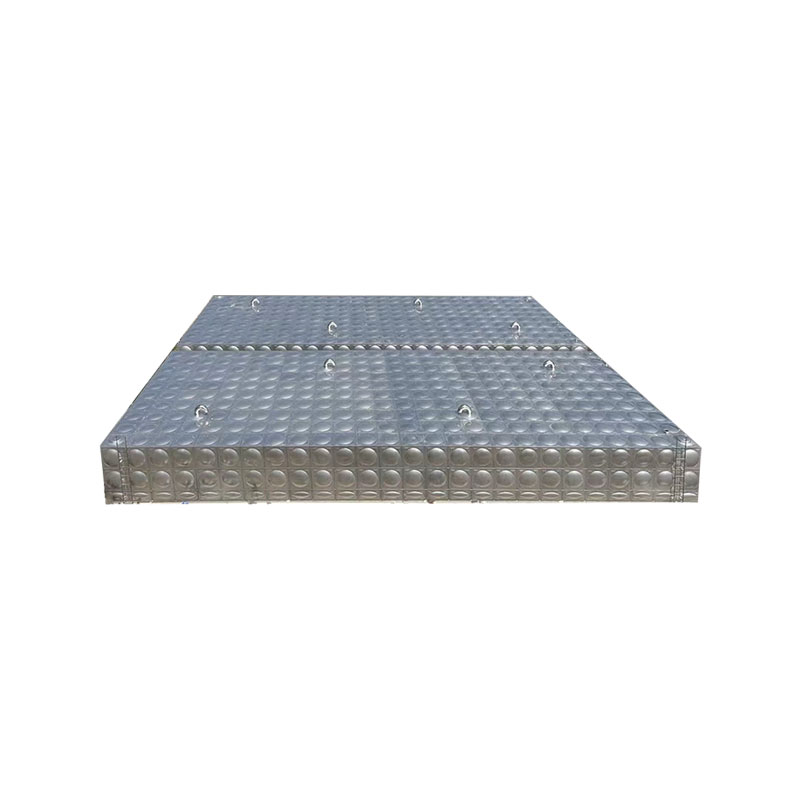
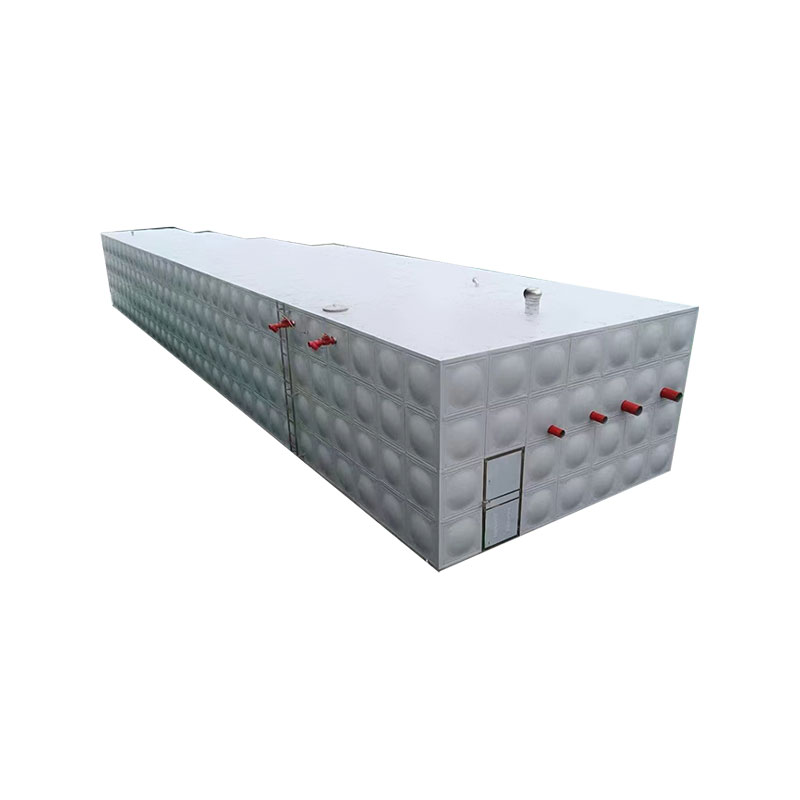
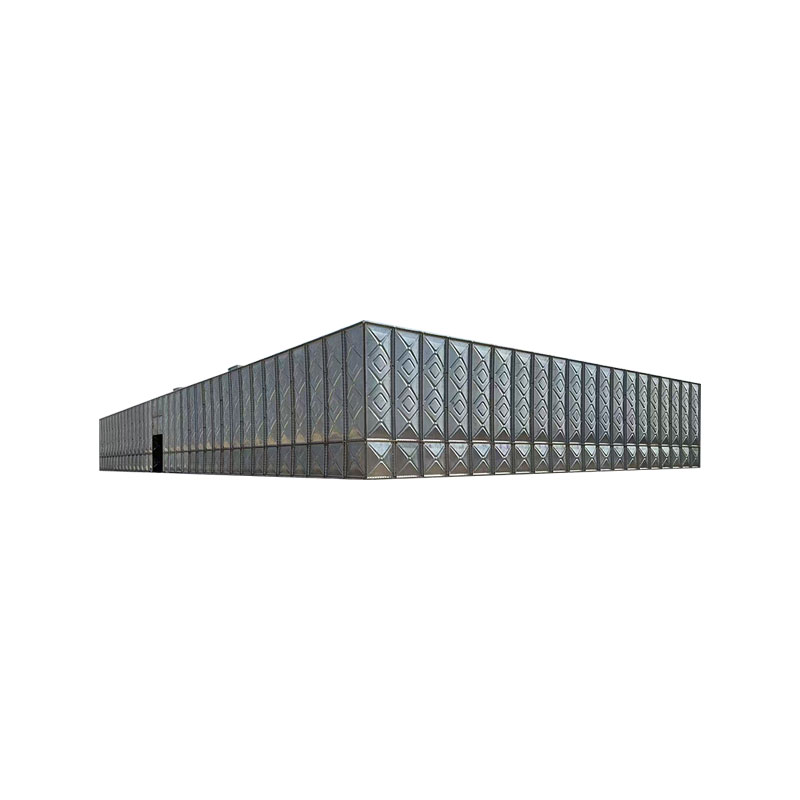
Stainless steel sectional water tanks are modular, meaning they consist of multiple interlocking panels that can be easily assembled and customized to fit a wide range of spaces and requirements. This modular design offers incredible flexibility, allowing businesses to scale up or down based on their specific needs.
For instance, if your industrial facility requires a larger water storage capacity due to increased demand or production, you can add additional panels to expand the tank. Conversely, if storage needs decrease, you can reduce the size of the tank by removing sections. This adaptability allows industries to optimize their storage capacity, avoiding both over-storage and under-storage, which can lead to inefficiencies.
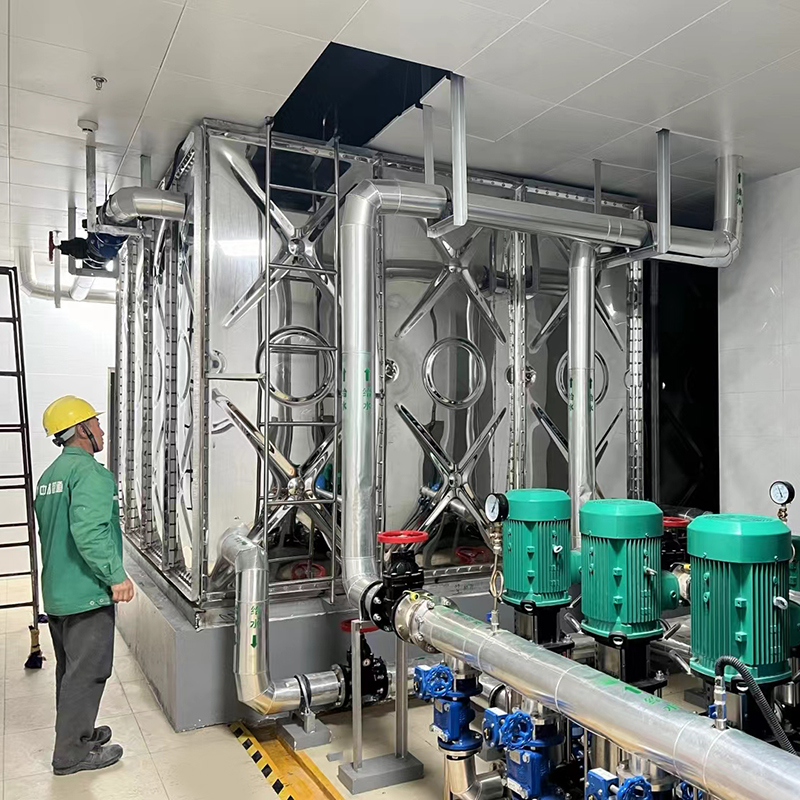
Moreover, the modular nature of these tanks means that they can be installed in confined or irregular spaces, unlike traditional large-scale tanks. This space-saving feature is particularly beneficial in industries where real estate and space utilization are critical concerns.
3. Improved Water Quality and Safety
In many industrial applications, the quality of the stored water is just as important as the volume. Stainless steel sectional water tanks are designed to keep water clean, uncontaminated, and free from harmful bacteria or algae growth. Unlike other materials, stainless steel does not absorb organic matter, preventing bacterial growth or the buildup of harmful microorganisms in the water.
The hygienic properties of stainless steel also ensure that the water remains safe for industrial processes that require high purity, such as food processing, pharmaceuticals, and electronics manufacturing. By maintaining high water quality, industries can reduce the risks of contamination, which could otherwise result in product defects, production halts, or safety violations.
Additionally, many stainless steel tanks come with insulated panels that help maintain the desired temperature of the water, which is crucial for industries that require water to be stored at a specific temperature for cooling or other processes.
4. Energy Efficiency in Water Management
Stainless steel sectional water tanks can contribute to energy efficiency within industrial water systems. Many water storage tanks are used in conjunction with cooling or heating systems that regulate water temperature for industrial processes. Stainless steel’s excellent thermal conductivity helps in evenly distributing temperature across the water, ensuring that it stays within the desired range more efficiently.
For instance, in industries such as power generation or HVAC, water is often used for cooling purposes. Stainless steel tanks help maintain the water at a consistent temperature, reducing the load on energy-intensive chillers or heating systems. This efficiency not only reduces energy consumption but also minimizes operating costs, helping industries achieve better overall energy efficiency.
5. Minimal Maintenance Requirements
Industrial operations rely on systems that can run continuously without frequent disruptions. Stainless steel sectional water tanks require minimal maintenance compared to other water storage solutions. Their corrosion resistance and ability to withstand harsh conditions reduce the need for regular upkeep, which can be time-consuming and costly.
Other materials, such as concrete, can crack over time and require frequent inspections and repairs, while plastic tanks may degrade under UV exposure or chemical reactions. Stainless steel, on the other hand, is low-maintenance, which helps ensure that the water storage system remains operational without incurring additional repair or replacement costs.
Additionally, the smooth surfaces of stainless steel tanks make them easier to clean and maintain, preventing the buildup of dirt, sediment, or algae. This is particularly important in industries where water quality and system cleanliness are paramount.
6. Reduced Environmental Impact and Sustainability
Sustainability is increasingly becoming a priority for industries worldwide. Stainless steel is an environmentally friendly material as it is 100% recyclable, making it a sustainable option for water storage. At the end of its life cycle, stainless steel can be recycled into new products, which reduces waste and conserves natural resources.
Furthermore, stainless steel sectional water tanks are more energy-efficient compared to traditional water storage options. By maintaining water at the right temperature and ensuring optimal water quality, these tanks reduce the need for energy-intensive processes like heating, cooling, or chemical treatments. The reduction in energy consumption not only leads to lower utility bills but also minimizes the carbon footprint of industrial operations.
As industries face growing pressure to reduce their environmental impact, adopting sustainable technologies like stainless steel sectional water tanks can help meet both operational goals and corporate social responsibility objectives.
7. Cost-Effective Solution in the Long Term
While the initial investment in stainless steel sectional water tanks may be higher than other types of tanks, their long-term cost-effectiveness cannot be overlooked. The durability, low maintenance, and energy efficiency of these tanks contribute to substantial savings over time. Industries save money by reducing downtime, repair costs, and energy consumption, all of which can significantly impact the bottom line.
In addition, the modular nature of the tanks means that businesses can invest incrementally, adding capacity as needed. This scalability ensures that industries only pay for the water storage capacity they require at any given time, avoiding over-investment in infrastructure.
8. Quick and Easy Installation
Industrial water systems often require rapid setup to ensure that production processes remain uninterrupted. Stainless steel sectional water tanks are quick and easy to install due to their modular design. Since the panels are pre-fabricated and only need to be assembled on-site, installation can typically be completed faster than other types of storage tanks.
This quick installation process minimizes downtime, allowing industrial operations to get up and running faster. Whether you need a new tank or an expansion of an existing system, the modular design enables a faster turnaround time, which is crucial in industries where time is of the essence.
9. Improved Leak Prevention and Water Loss Control
Water loss due to leaks can be a significant issue in industrial settings, leading to both financial and operational inefficiencies. Stainless steel sectional water tanks are designed to offer superior leak resistance, helping to prevent water wastage. The precision of the interlocking panels ensures a secure seal, minimizing the risk of leaks and ensuring that water is stored safely and efficiently.
This leak prevention feature is particularly important for industries that rely on large volumes of water or have strict water conservation policies. By reducing water loss, businesses can improve their overall efficiency and sustainability.



 Tiếng Việt
 عربى
عربى Get a quote

 Tel: +86 0515-86302568
  E-mail:
  Add: No. 11, Xingwang Road, Jianyang Town, Jianhu County, Jiangsu Province, China