Superior Corrosion Resistance and Long-Term Durability
The Intrinsic Advantages of Stainless Steel
Stainless steel, as its name suggests, is inherently characterized by its remarkable resistance to corrosion. This exceptional property stems primarily from the high concentration of chromium in its alloy composition. When chromium is exposed to air, it swiftly forms an incredibly thin yet exceptionally dense passive layer on the stainless steel surface. This passive layer acts as an invisible “shield,” effectively isolating the stainless steel from its surroundings and preventing oxidation reactions. Consequently, stainless steel exhibits outstanding resistance to rust and various forms of corrosion.
The Corrosion Challenges Faced by Traditional Water Tanks
In stark contrast, traditional water tanks made from iron or carbon steel face significant corrosion challenges. Water, being the most common medium for storage, presents various corrosive factors depending on its quality, including pH levels, dissolved oxygen content, and mineral composition. These elements can aggressively attack the interior surfaces of conventional tanks. Furthermore, the environment in which these tanks are situated, such as conditions of high humidity and significant temperature fluctuations, along with external factors like scratches or impacts that compromise protective coatings, can expose the underlying metal, leading to rapid oxidation and the formation of rust. This corrosion not only shortens the lifespan of the water tanks but, more critically, severely compromises the quality of the stored water, posing potential health risks to consumers.
Sectional Stainless Steel Water Tanks: A Comprehensive Solution
Sectional stainless steel water tanks offer a definitive solution to these issues through their unique material composition and structural design.
1. Material Selection and Corrosion Resistance
-
Material Grade: We utilize high-quality, food-grade SUS304 or the even more superior SUS316 stainless steel. Both of these materials contain a high percentage of chromium and nickel, which are crucial for the formation of a stable and robust passive layer, effectively resisting corrosion in the vast majority of everyday environments.
-
Resistance to Chloride Ion Corrosion: Notably, SUS316 material demonstrates exceptional resistance to chloride ion corrosion, making it particularly suitable for applications involving treated water that may contain residual disinfectants like chlorine. This superior resistance helps prevent pitting corrosion, a localized and particularly damaging form of corrosion.
2. Structural Design and Durability
-
Modular Construction: Sectional water tanks are constructed from multiple standardized stainless steel panels that are precisely manufactured and specially treated. This modular design not only simplifies transportation and installation but, more importantly, its weld-free structure (achieved through bolted connections with sealing gaskets) effectively eliminates the corrosion risks associated with weld defects in traditional tanks.
-
Exceptional Pressure Resistance: Stainless steel panels possess inherently high strength and ductility, enabling them to withstand both the internal pressure from the stored water and external environmental stresses. This ensures that the water tanks will not experience deformation or structural failure over their long service life.
Long-Term Economic and Health Benefits
Due to the superior corrosion resistance of stainless steel and the advantageous structural design, sectional stainless steel water tanks guarantee an exceptionally long service life, spanning decades, significantly outperforming traditional water tanks. This longevity translates into substantial long-term economic benefits for users, as it virtually eliminates the need for frequent maintenance or replacement, thereby saving considerable repair and replacement costs. More importantly, these tanks fundamentally ensure the purity and hygiene of the stored water, providing users with a safe and healthy water supply.
| Feature |
Traditional Water Tanks (e.g., Carbon Steel) |
Sectional Stainless Steel Water Tanks (SUS304/316) |
| Corrosion Resistance |
Susceptible to rust and various corrosions |
Excellent resistance to rust and many chemicals |
| Service Life |
Typically shorter, prone to degradation |
Decades-long lifespan |
| Water Quality Impact |
Rust and corrosion can contaminate water |
Maintains water purity, no rust formation |
| Maintenance Requirements |
Regular maintenance often needed |
Minimal to no maintenance required |
| Long-Term Cost |
Higher due to maintenance and replacement |
Lower due to longevity and minimal upkeep |
| Resistance to Chloride |
Generally less resistant |
High resistance, especially SUS316 |
| Structural Integrity Over Time |
Can weaken due to corrosion |
Maintains integrity due to material strength |
Superior Corrosion Resistance and Long-Term Durability
The Intrinsic Advantages of Stainless Steel
Stainless steel, as its name implies, is fundamentally defined by its remarkable ability to resist corrosion. This exceptional characteristic arises primarily from the high concentration of chromium within its alloy composition. Upon exposure to air, chromium rapidly forms an exceedingly thin yet remarkably dense passive layer on the surface of the stainless steel. This passive layer functions as an imperceptible “shield,” effectively isolating the stainless steel material from the surrounding environment and thereby inhibiting oxidation reactions. Consequently, stainless steel exhibits outstanding resistance to rust and various forms of corrosion.
The Corrosion Challenges Faced by Traditional Water Tanks
In sharp contrast, conventional water tanks constructed from iron or carbon steel are highly susceptible to a range of corrosion issues. Water, the most common substance intended for storage, introduces diverse corrosive elements depending on its inherent quality, including its pH levels, dissolved oxygen content, and the presence of various minerals. These factors can aggressively attack the internal surfaces of these traditional tanks. Furthermore, the environmental conditions in which such tanks are situated, including high levels of humidity and significant fluctuations in temperature, alongside external factors such as scratches or impacts that compromise any protective coatings, can expose the underlying metal, leading to swift oxidation and the development of rust. This corrosion not only diminishes the operational lifespan of the water tanks but, more critically, severely compromises the quality of the stored water, posing potential health risks to those who consume it.
Sectional Stainless Steel Water Tanks: A Comprehensive Solution
Sectional stainless steel water tanks provide a definitive and comprehensive solution to these prevalent problems through their unique material composition and innovative structural design.
1. Material Selection and Corrosion Resistance
-
Material Grade: We employ premium, food-grade SUS304 or the even more advanced SUS316 stainless steel. Both of these material grades contain a substantial proportion of chromium and nickel, which are essential for the formation of a stable and resilient passive layer, effectively resisting corrosion in the vast majority of common environmental conditions.
-
Resistance to Chloride Ion Corrosion: It is particularly noteworthy that SUS316 material demonstrates superior resistance to corrosion caused by chloride ions. This makes it exceptionally well-suited for applications involving treated water, which may contain residual disinfectants such as chlorine. This enhanced resistance helps to prevent pitting corrosion, a localized yet highly destructive form of corrosion that can compromise the structural integrity of the tank.
2. Structural Design and Durability
-
Modular Construction: Sectional water tanks are engineered from a series of standardized stainless steel panels that undergo precision manufacturing and specialized surface treatment. This modular approach not only simplifies the logistical aspects of transportation and on-site installation but, crucially, its weld-free construction (achieved through robust bolted connections with high-performance sealing gaskets) effectively mitigates the corrosion risks that are commonly associated with welding defects in traditional tank designs.
-
Exceptional Pressure Resistance: Stainless steel panels inherently possess high levels of strength and ductility, enabling them to effectively withstand both the internal hydrostatic pressure exerted by the stored water and external environmental stresses. This inherent strength ensures that the water tanks will maintain their structural integrity and will not experience deformation or structural failure throughout their extended operational lifespan.
Long-Term Economic and Health Benefits
It is precisely due to the exceptional corrosion resistance of stainless steel and the advantageous characteristics of their structural design that sectional stainless steel water tanks can guarantee an exceptionally long service life, often spanning multiple decades, significantly outperforming their traditional counterparts. This extended longevity translates into substantial long-term economic advantages for end-users, as it virtually eliminates the necessity for frequent maintenance interventions or premature replacement, thereby yielding considerable savings in repair and replacement expenditures. More importantly, these advanced water storage solutions fundamentally safeguard the purity and hygiene of the stored water, consistently providing users with a reliable source of safe and healthy water.
| Feature |
Traditional Water Tanks (e.g., Carbon Steel) |
Sectional Stainless Steel Water Tanks (SUS304/316) |
| Corrosion Resistance |
Highly susceptible to rust and various forms of corrosion |
Exhibits excellent resistance to rust and a wide range of chemical substances |
| Service Life |
Typically shorter, with a tendency towards material degradation |
Offers a significantly extended lifespan, often lasting for decades |
| Water Quality Impact |
Rust and corrosion byproducts can lead to water contamination |
Effectively maintains water purity, with no risk of rust formation or material leaching |
| Maintenance Requirements |
Often necessitates regular maintenance procedures, including painting and rust removal |
Requires minimal to no routine maintenance, reducing operational overhead |
| Long-Term Cost |
Generally higher due to recurring maintenance needs and potential for early replacement |
Lower overall cost of ownership due to exceptional longevity and minimal upkeep |
| Resistance to Chloride |
Typically demonstrates lower resistance to chloride-induced corrosion |
Exhibits high resistance, particularly the SUS316 grade, making it suitable for chlorinated water |
| Structural Integrity Over Time |
Can experience a gradual weakening of structural integrity due to the effects of corrosion |
Maintains robust structural integrity over extended periods due to the inherent strength and corrosion resistance of the material |
Modular Design: Easy Expansion and Maintenance
The modular design of the Stainless Steel Sectional Water Tank provides unmatched flexibility in capacity adjustment. This design philosophy allows the tank to be dynamically scaled according to actual water demands, easily accommodating business expansion or seasonal fluctuations.
Flexible Capacity Adjustment
Each tank module is a self-contained unit that can be freely assembled like a set of building blocks. This means users can precisely configure the tank’s capacity based on their current water usage. When water demand increases, for example, due to business expansion or population growth, new modules can simply be added to the existing structure. Conversely, if water demand decreases, users can disassemble certain modules to save space and reduce maintenance costs. This flexibility ensures the efficient use of resources, preventing the initial investment waste that comes with installing a fixed-capacity, oversized tank.
Independent Installation and Maintenance
A core advantage of the modular design is its independence. Each module can be independently installed, disassembled, and repaired, which greatly simplifies maintenance procedures and lowers operational costs.
- Rapid Repairs: If a module requires maintenance due to corrosion or damage, technicians only need to isolate and service that specific module without shutting down the entire tank system. This ensures the continuity of the water supply and minimizes disruption to daily operations.
- Cost Control: Since only a single, problematic module needs to be repaired or replaced, the required labor, materials, and financial resources are significantly reduced. This is far more cost-effective than traditional, monolithic tanks which often require a complete replacement or large-scale repair when a single failure occurs.
- Extended Service Life: By regularly inspecting and replacing worn-out modules, the overall service life of the entire tank system can be effectively extended. This “fix what’s broken” strategy makes long-term investment more sustainable and also reduces the environmental impact of frequent equipment replacements.
Energy-Saving and Environmentally Friendly, Meeting Modern Sustainable Development Requirements
Exceptional Thermal Insulation Performance
Reduces Energy Consumption and Lowers Operating Costs
Stainless steel sectional water tanks possess excellent thermal insulation properties due to the material’s low thermal conductivity, which effectively slows down heat transfer between the inside and outside of the tank. In cold regions, this feature is particularly crucial as it minimizes the drop in water temperature inside the tank, significantly reducing the reliance on additional heating systems (such as electric heating rods or gas boilers). By lowering the frequency and duration of heating equipment operation, it directly leads to a reduction in energy consumption, thereby saving substantial electricity or gas costs for businesses and households. Similarly, in hot summers, stainless steel tanks can effectively block external heat, preventing the water temperature from rising too high and reducing the need for cooling systems, once again achieving energy savings and cost reduction. For water usage scenarios that require a specific temperature (e.g., hospitals, food processing plants, or chemical companies), this superior thermal insulation is not only key to cost control but also a vital guarantee for maintaining stable production processes.
Extends Equipment Lifespan and Ensures Water Quality
A stable water temperature environment greatly reduces the workload on the internal heating or cooling equipment, minimizing mechanical wear and tear and failures caused by frequent starts and stops and temperature fluctuations, which effectively extends the equipment’s service life. Furthermore, maintaining an appropriate water temperature can inhibit the rapid growth of various bacteria and microorganisms, especially pathogens like Legionella, thereby ensuring the safety of the water supply at the source. This not only reduces the energy consumption and chemical use associated with additional disinfection or water treatment but also provides a solid guarantee for the health of users.
Environmental Characteristics, Supporting Sustainable Development
Recyclable and Eco-Friendly Material
Stainless steel is a 100% recyclable “green” material. When a stainless steel water tank reaches the end of its service life, its material can be fully melted down and re-forged into other stainless steel products, achieving resource circularity and greatly reducing the mining and consumption of virgin mineral resources. This characteristic gives it a high level of environmental friendliness throughout its entire life cycle, perfectly aligning with the globally advocated concepts of the circular economy and sustainable development.
From production and manufacturing to final recycling, the entire life cycle of a stainless steel water tank demonstrates its low carbon footprint advantage. Its excellent corrosion resistance means it does not require frequent anti-corrosion treatments or replacements, reducing the energy consumption, chemical use, and transportation emissions associated with maintenance. Moreover, its outstanding performance in energy saving directly reduces carbon emissions generated from electricity or gas consumption. Therefore, choosing a stainless steel sectional water tank is not just about selecting an efficient and durable water storage device; it is also about contributing to achieving a low-carbon economy and combating climate change.
Earthquake Resistance and Stable Structure
Exceptional Structural Stability
Resists Natural Disasters and Guarantees Water Supply Safety
One of the core advantages of stainless steel sectional water tanks lies in their outstanding seismic resistance. Unlike a rigid, one-piece structure, these tanks are assembled from standardized stainless steel panels using high-strength bolts and special sealing materials. This modular design gives the tank a remarkably strong yet flexible integrity. In the face of natural disasters like earthquakes and typhoons, traditional rigid structures might instantly crack or collapse due to their inability to absorb and disperse vibrational energy, leading to catastrophic consequences. In contrast, a stainless steel sectional water tank acts like an elastic whole, effectively absorbing and dissipating immense vibrational energy and external pressure through slight movements between the panels and the cushioning of the connectors. This maximizes the reduction of the risk of tank rupture and leakage, ensuring that the critical water supply system remains stable and operational during emergencies, providing a vital source of water for post-disaster relief, medical aid, and residents’ basic needs.
Mitigates the Risk of Secondary Disasters
The rupture or collapse of a water tank is more than just a disruption of the water supply; it can also trigger severe secondary disasters. For example, the sudden release of a massive volume of water from a large tank could create an “artificial flood,” causing significant property damage and personal injury to downstream areas. The robust and durable structure of stainless steel tanks fundamentally eliminates this risk. Its seismic design not only protects the tank itself but also safeguards surrounding infrastructure and people. Furthermore, the material’s properties ensure that even in the event of extreme damage, it won’t produce a large number of sharp, fragile fragments, further reducing the potential harm to the environment and people.
Long-Term Reliability and Maintenance Convenience
Adapts to Harsh Environments and Lowers Maintenance Costs
Stainless steel is renowned for its outstanding corrosion resistance, which allows stainless steel tanks to maintain their structural integrity over the long term, even in harsh, humid, or chemically corrosive environments. Compared to traditional tanks made of materials that are prone to rust and aging, stainless steel tanks do not require frequent anti-corrosion coatings or repairs, fundamentally reducing operating costs and maintenance efforts. Their sturdy and durable nature means the tanks can withstand the test of time, continuing to operate safely and reliably even after multiple external impacts and extreme weather events, thereby ensuring the long-term reliability of the water supply system.
Modular Design for Convenient and Efficient Maintenance
The modular design of stainless steel sectional water tanks not only facilitates transportation and rapid on-site assembly but also provides a significant advantage for subsequent maintenance. If a specific panel of the tank is damaged due to an accident, you only need to replace the single damaged module instead of the entire tank. This efficient and convenient maintenance method greatly shortens downtime and improves the overall efficiency and emergency recovery capability of the tank. This design philosophy fully embodies the principles of being people-centered and sustainable, giving the tank a high value throughout its entire life cycle.
Efficient Water Quality Management and Reduced Pollution
Superior Material Properties Ensure Water Purity
Chemical Inertness, Eliminating Secondary Contamination
One of the core advantages of a stainless steel sectional water tank is the chemical inertness of its material. Stainless steel is a stable and non-reactive alloy composed primarily of iron, chromium, and nickel. Its surface is protected by an incredibly thin yet robust passive film. This protective layer effectively prevents the stainless steel from reacting with any components in the water. This means that no matter how long the water remains in the tank, it will not release harmful substances like some traditional materials might, such as heavy metals (e.g., lead, cadmium) or organic compounds from plastic degradation. This feature fundamentally eliminates secondary contamination of the water source, ensuring that the water stored in the tank always maintains its original purity, taste, and safety. For applications with extremely high water quality requirements, such as drinking water, food processing, and medical use, a stainless steel tank is the most reliable and safest choice.
Inhibits Microbial Growth, Maintaining Water Stability
The surface of stainless steel is smooth, dense, and non-porous, making it an unfavorable material for bacteria, algae, and other microorganisms to adhere to. Compared to concrete pools or plastic tanks with rough interiors, the inner walls of a stainless steel tank provide a hostile environment for microbial growth and biofilm formation. This physical barrier significantly reduces the risk of biological contamination. As a result, tank managers do not need to frequently use chemical disinfectants (like chlorine) to control microbial populations, which not only reduces the use of chemicals and related costs but also avoids potential byproduct contamination from chemical disinfection. Ultimately, stainless steel tanks fundamentally ensure long-term water stability and hygiene this way, laying a solid foundation for efficient water quality management.
Enhances Water Resource Management Efficiency
Reduces Water Waste and Leakage Risk
Due to the excellent corrosion resistance and structural strength of stainless steel, the risk of a stainless steel sectional water tank leaking is extremely low. The seals between the modular panels use high-quality food-grade sealant strips combined with high-strength bolts, creating a robust and reliable sealing system. Unlike traditional tanks that are prone to cracking, aging, or rusting, a stainless steel tank can effectively prevent leaks caused by material degradation or structural defects, eliminating the loss and waste of valuable water resources. This feature is particularly important in regions facing water scarcity, as it directly improves the efficiency of water use and aligns with the requirements of sustainable development.
Simplifies Maintenance Procedures and Lowers Management Costs
The superior properties of stainless steel tanks are not only evident in their ability to protect water quality but also in how they greatly simplify daily water quality management and maintenance. Because their surfaces are not prone to dirt and microbial growth, routine cleaning and maintenance tasks become simpler and quicker. Managers only need to perform regular flushing and inspections, without needing to invest significant time and resources into complex deep cleaning or chemical treatments. This efficient maintenance model significantly reduces the operational costs of water management, allowing managers to allocate more resources towards water quality monitoring and system optimization, thereby achieving more efficient and economical water resource management.
Easy Maintenance and Reduced Long-Term Costs
Superior Material Properties Reduce Maintenance Needs
Corrosion Resistance, No Need for Frequent Anti-Corrosion Treatment
One of the most significant benefits of a stainless steel sectional water tank is its exceptional corrosion resistance. Stainless steel is an alloy material that naturally forms a thin, tough passive film of chromium oxide on its surface. This invisible protective layer effectively seals off the stainless steel from contact with water, atmospheric oxygen, and other corrosive substances, thus fundamentally preventing the tank body from rusting and corroding. This means that, unlike traditional carbon steel or concrete tanks, stainless steel tanks do not require frequent and costly anti-corrosion coating maintenance, repairs, or reapplication. This drastically reduces the frequency and effort of maintenance, thereby significantly lowering long-term costs. In environments with poor water quality or in coastal areas with high corrosivity, this feature of stainless steel tanks is particularly crucial, as their long-term stable performance saves users a substantial amount in operating expenses.
Smooth Surface, Easy to Clean
Stainless steel panels are precisely manufactured to have a highly smooth and dense surface. This property makes it extremely difficult for scale, dirt, bacteria, and algae to adhere to and proliferate. Compared to concrete or plastic tanks with rough and porous interiors, the cleaning process for a stainless steel tank is exceptionally simple and efficient. Managers only need to perform regular rinsing or wiping with a soft cloth to easily remove surface contaminants, without the need for harsh chemical cleaners or complex cleaning tools. This convenient cleaning method not only reduces cleaning costs but also ensures the hygiene inside the tank, preventing the risk of water contamination at the source.
Modular Design Simplifies Maintenance Procedures
Convenient Repairs, Lower Replacement Costs
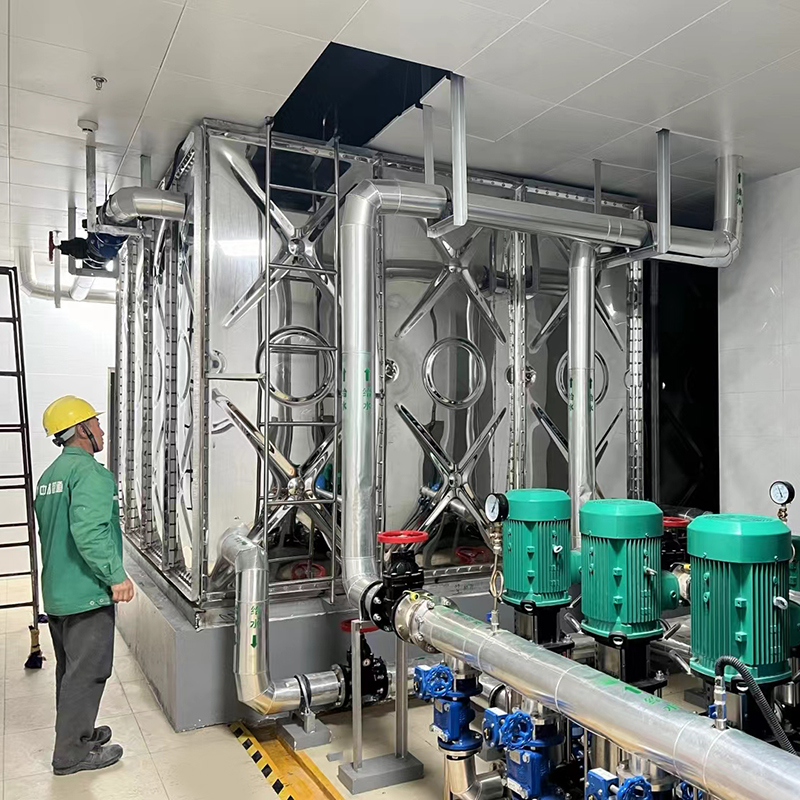
The modular design of the stainless steel sectional water tank is another key factor contributing to its easy maintenance. The tank is assembled from multiple standardized panels. If a panel is damaged by an accident (such as an external impact), a manager can simply replace the single damaged module instead of dismantling and rebuilding the entire tank. This “replace-as-needed” approach significantly reduces the cost and time required for repairs. Furthermore, when internal inspections are needed (e.g., cleaning internal pipes or replacing a float valve), only some of the modules can be disassembled, providing ample workspace for maintenance personnel and making the repair work safer and more efficient.
Flexible Expansion, Lower Upgrade Costs
The modular design not only facilitates repairs but also offers great convenience for future upgrades and expansions. When water demand increases, managers can easily expand the capacity by adding new stainless steel modules to the existing tank, without needing to construct an entirely new, larger tank. This flexibility greatly reduces the cost and complexity of system upgrades, making the stainless steel tank a reliable solution with long-term investment value.
Compliance with International Standards and Certifications
Strict International Standards Guarantee Product Quality
Meets Global Water Storage Requirements
A key reason for the widespread preference for stainless steel sectional water tanks is their strict adherence to international and national standards. These standards form the foundation of product safety and performance. The design, manufacturing, and material selection for these tanks must comply with multiple authoritative standards, such as those from the American Society of Mechanical Engineers (ASME), Japanese Industrial Standards (JIS), German Institute for Standardization (DIN), and Chinese National Standards (GB/T). These standards not only set specific requirements for the tank’s structural strength, wind resistance, and seismic performance but also have extremely strict regulations for the material components that come into direct contact with water. For example, the stainless steel used for the tanks must be food-grade (e.g., 304 or 316) to ensure it does not release any harmful heavy metals or chemical substances when in contact with water, thus eliminating secondary contamination at the source. This rigorous compliance with standards enables stainless steel tanks to meet the highest global requirements for drinking water storage, providing users with a safe, reliable, and internationally compliant water source.
Obtains Authoritative Certifications, Enhancing Market Recognition
Many high-quality stainless steel tank manufacturers understand the importance of certifications and actively seek and obtain multiple international authoritative certifications. These are not merely symbols of quality but also powerful endorsements of a product’s safety and reliability. For example, ISO 9001 Quality Management System certification ensures that every step of the product’s journey, from design to production, is under strict quality control. The NSF/ANSI 61 Drinking Water System Components certification specifically targets materials and products that come into contact with drinking water, certifying them as safe and non-toxic. For high-standard construction projects, such as hospitals, food and beverage factories, high-end residential areas, and international projects, certified stainless steel tanks become the preferred choice. This is because they can effectively reduce project risks, ensure smooth project acceptance, and enhance their overall value and market competitiveness. These certifications provide trust and confidence to clients, ensuring that the tank product they choose is rigorously verified and trustworthy.
Adapts to High-Standard Projects, Broadening Application Scope
Becomes the Preferred Choice for High-End Construction Projects
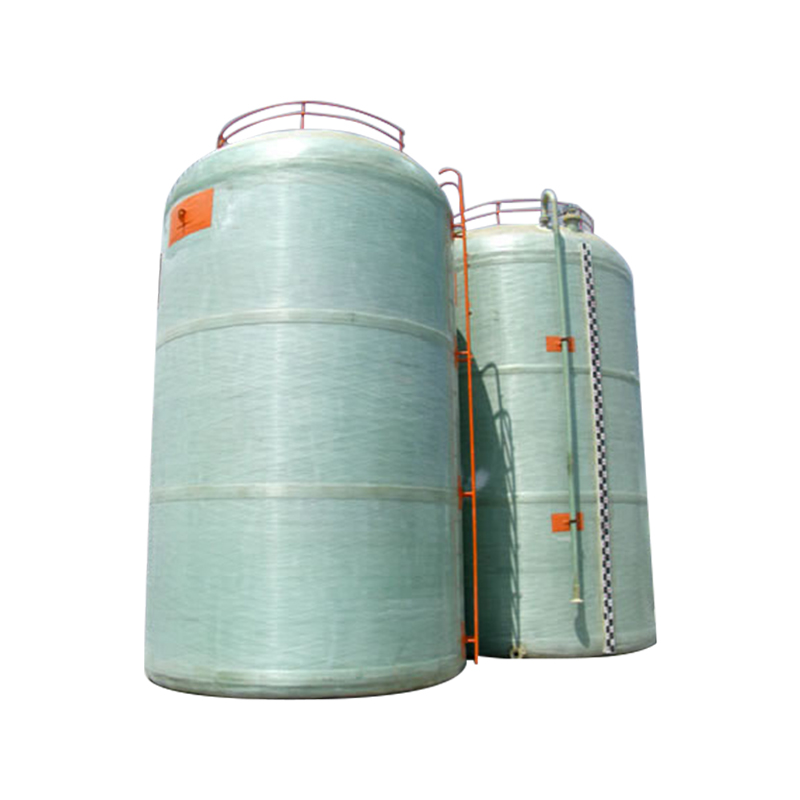
In today’s construction industry, there is an increasing demand for projects with high standards of safety, hygiene, and long-term durability. Traditional tank materials, such as concrete or fiberglass, with their inherent flaws (e.g., susceptibility to cracking, aging, and secondary contamination risks), can no longer meet the requirements of many high-standard, high-demand construction projects. In contrast, stainless steel sectional water tanks are an ideal choice for these projects due to their superior performance—including corrosion resistance, ease of cleaning, seismic resistance, and compliance with international standards. Whether for large commercial complexes, high-tech industrial parks, hospitals, schools, or public infrastructure, choosing a stainless steel tank is not just a technical decision but a significant commitment to project quality, user health, and long-term sustainability.
Facilitates Globalization and Seamless Integration with International Projects
In a globalized world, many construction projects involve cross-border collaborations or need to comply with standards and regulations from multiple countries. The widespread compliance with international standards makes the use of stainless steel sectional water tanks in international projects simpler and more reliable. It eliminates technical barriers and compliance risks that arise from incompatible standards between different countries and regions, ensuring that a project can be seamlessly integrated from design to implementation and significantly improving project execution efficiency. For companies looking to expand into overseas markets, choosing stainless steel tank products that meet international standards is undoubtedly a powerful tool for enhancing their global competitiveness and brand image.
Aesthetics and Modern Design
Modern and Minimalist Appearance
Integrates into Various Architectural Styles
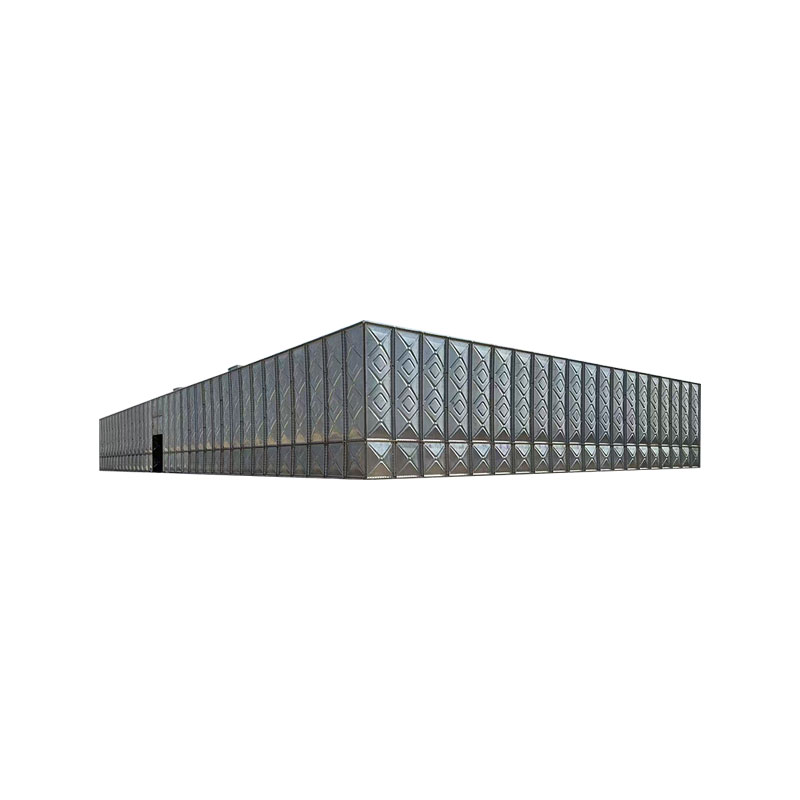
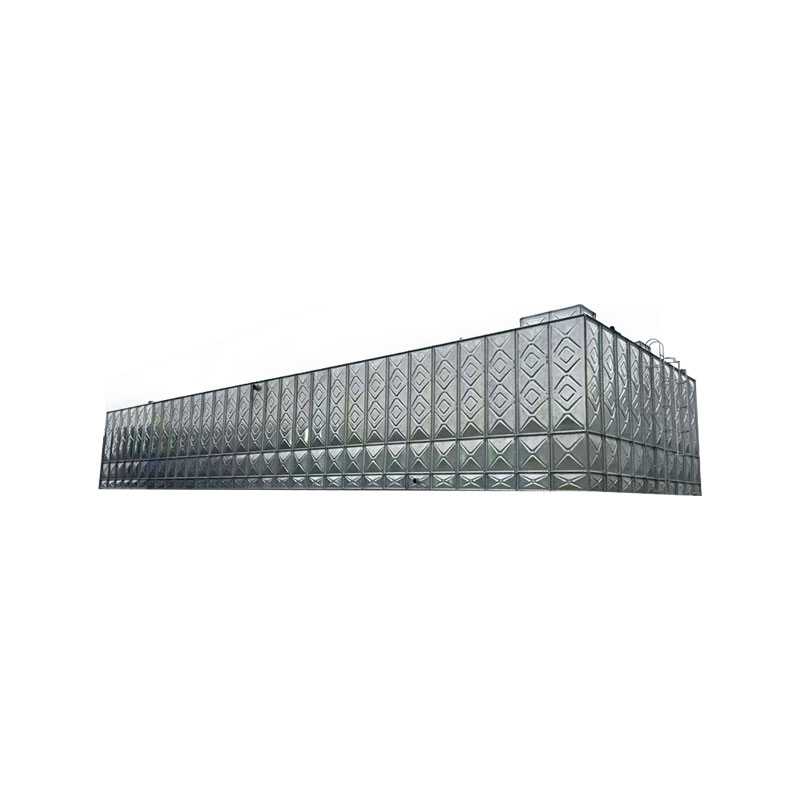
Stainless steel sectional water tanks present a modern, minimalist, and grand appearance thanks to their unique metallic texture, clean lines, and geometric shape. This look completely subverts the stereotypical image of traditional water tanks, which are often bulky and cumbersome like those made of concrete or fiberglass. The stainless steel tank’s exterior is sleek, polished, and smooth, allowing it to seamlessly integrate with a wide range of modern architectural styles. Whether it’s a component on the roof of a towering skyscraper, part of the ground facilities in a tech-filled industrial park, or in a stylish residential area, the stainless steel tank can become a harmonious element of the landscape. Its silvery sheen glimmers softly in the sunlight, acting as both an independent art piece and a complementary part of its surroundings.
Enhances the Project’s Overall Aesthetic Value
In modern architectural design, aesthetics has become a crucial factor determining a project’s success. A stainless steel sectional water tank is not just a functional water storage facility; it’s an important component that enhances the project’s overall aesthetic value and brand image. In many high-end commercial buildings and luxury residences, water tanks are often placed on the rooftop or in public areas, directly impacting the building’s skyline. A well-designed, modern-looking stainless steel tank can significantly boost the visual appeal of these areas, conveying a project’s commitment to high quality, high standards, and exquisite detail. It complements elements of modern architecture like glass facades and metal structures, collectively shaping a professional and upscale image for the project and adding extra value to its market appeal.
Flexibility and Customizable Design
Adapts to Diverse Spatial Requirements
The innovative modular design of the stainless steel sectional water tank gives it unparalleled flexibility in shape and size. Standard stainless steel panels of different specifications can be assembled like LEGO bricks, allowing for a variety of shapes and sizes to meet the specific needs of a project. Whether it’s a narrow equipment room, an irregularly shaped rooftop, or a large underground storage area, the stainless steel tank can achieve a perfect fit, maximizing the use of available space. This high degree of customization allows designers to break free from the limitations of traditional tanks and create water storage solutions that are both practical and beautiful, greatly expanding their application scope in architectural design.
Highlights Individuality and Uniqueness
Beyond the standard silver appearance, stainless steel tanks also offer personalized design possibilities. Through special surface treatments like brushed finishes, mirror polishing, or coatings, different textures and sheens can be created to better match the specific style of the building. In some projects, decorative panels or structures can even be added to the exterior of the tank, turning it into a unique artistic installation. This unparalleled customization ability means the stainless steel tank is no longer just a generic industrial product; it becomes an architectural element that highlights the project’s individuality and unique taste, satisfying the dual pursuit of functionality and aesthetics for designers and owners.
Supports Intelligent Management
Smart Monitoring for Real-Time Status
Remote Data Collection and Precise Monitoring
The stainless steel sectional water tank, with its modular and highly compatible design, serves as an ideal physical host for modern smart water management systems. It can easily integrate various high-precision sensors and Internet of Things (IoT) devices, transforming a traditional tank into a data collection terminal. These sensors can continuously and accurately collect crucial operational data from inside the tank, including water level, temperature, pressure, and key water quality indicators (such as pH, turbidity, and residual chlorine). Using IoT technology, this data is wirelessly transmitted to a central monitoring platform or a user’s mobile app. Managers can monitor the tank’s status remotely, anytime and anywhere, using a visual dashboard, completely eliminating the limitations of traditional on-site inspections and significantly improving management efficiency and convenience.
Anomaly Alerts and Automated Fault Diagnosis
A smart management system is more than just a platform for displaying data; it’s a powerful decision-support tool. The system’s built-in smart algorithms perform real-time analysis and comparison of the vast amount of collected data. If any parameter (for example, the water level drops below a safe threshold, the water temperature rises abnormally, or a water quality indicator suddenly changes) deviates from the preset normal range, the system will automatically trigger multi-level alerts. Alert messages are immediately sent to designated personnel through various channels like SMS, email, or app notifications. This proactive, predictive alerting mechanism enables managers to intervene in the early stages of a problem, preventing potential water supply interruptions and safety incidents, thereby ensuring the stability and safety of the water supply system.
Optimizing Management Strategies and Improving Operational Efficiency
Precision Water Resource Scheduling
By leveraging the real-time and historical data provided by the smart system, managers can perform in-depth analysis and forecasting of water usage patterns. For example, the system can identify daily, weekly, or seasonal peaks and troughs in water consumption. Based on this data, managers can optimize the operation of pumps, such as automatically starting pumps to store water during off-peak hours when electricity rates are lower and reducing their operation during peak daytime hours, thus maximizing energy cost savings. This fine-tuned water resource scheduling not only improves water use efficiency but also significantly lowers overall operating costs, making water management more economical and sustainable.
Predictive Maintenance for Extended Equipment Lifespan
Traditional maintenance models are often reactive, where equipment is only repaired after a failure occurs, which can lead to water outages and more severe equipment damage. A smart management system, however, enables predictive maintenance. By continuously monitoring key parameters of critical equipment like pumps and valves—such as current, voltage, vibration frequency, and on/off status—the system can accurately predict potential failures. When an abnormal fluctuation is detected, the system will issue a maintenance recommendation or work order in advance, reminding maintenance personnel to perform inspections or replacements before the equipment fails completely. This shift from a reactive to a proactive maintenance model prevents water supply interruptions caused by sudden failures, extends the lifespan of equipment, and reduces overall repair and replacement costs, bringing a revolutionary improvement in efficiency to water management.
High Watertightness and Impermeability
Precision Engineering, Eliminating Leakage Risks
Advanced Welding Technology Ensures Seamless Connection
The high watertightness of the stainless steel sectional water tank is one of its most critical advantages in large-scale water management systems. This superior performance is primarily due to the industry-leading welding technology used in its manufacturing, such as fully automated robotic TIG (Tungsten Inert Gas) welding. Unlike traditional riveting or bolting methods, automated welding ensures a highly uniform, molecular-level seamless fusion between each stainless steel panel. This molecular bond fundamentally eliminates the potential risk of leakage caused by aging joints, loosening, or material fatigue. The strength of the weld can even exceed that of the stainless steel sheet itself, ensuring that the tank remains completely sealed even under significant water pressure or external vibrations, making it a truly “drip-proof” container. This precision engineering provides the highest level of security for storing valuable drinking water or water used in critical production processes.
High-Quality Sealing Materials Offer Dual Protection
In addition to advanced welding, the connections between the modules of the stainless steel sectional water tank also use high-quality, highly elastic food-grade EPDM or silicone sealing strips. These seals have excellent weather, UV, and corrosion resistance, and can maintain their elasticity over a wide temperature range from -40°C to 100°C (-40°F to 212°F). When the tank is fastened with high-strength stainless steel bolts during installation, the sealant is evenly compressed, forming a solid and reliable physical barrier. This dual protection system of welding and physical sealing ensures that the tank maintains its high watertightness under any conditions, even with minor ground settlement or structural vibrations, thereby effectively preventing water resource leakage and the intrusion of external contaminants like dust and insects.
Enhances Water Resource Management Efficiency
Eliminates Waste and Guarantees Water Resource Utilization
In large-scale water management systems, such as urban water supply networks or agricultural irrigation systems, any minor leak from a tank can lead to immense water resource waste. Statistics show that even seemingly insignificant drips, when accumulated over time, can result in huge economic losses and resource waste. The high watertightness and impermeability of stainless steel tanks eliminate these risks at the source, ensuring that every drop of water is stored and used efficiently. This not only reduces operating costs and energy consumption but, more importantly, meets the urgent demand for efficient water use and sustainable development in modern society, providing a solid foundation for building a water-saving society.
Reduces Maintenance Work and Lowers Operating Costs
Due to the extremely high watertightness and structural stability of stainless steel tanks, water managers don’t have to invest a significant amount of time and effort in regularly inspecting and patching leak points. This not only simplifies daily maintenance procedures but also significantly reduces the operational costs and repair expenses associated with leaks. The tank’s long-term, low-maintenance nature allows managers to allocate more valuable resources and energy to more crucial tasks like water quality monitoring, system optimization, and strategic planning, greatly improving the overall efficiency and reliability of water management.



 Tiếng Việt
 عربى
عربى Get a quote

 Tel: +86 0515-86302568
  E-mail:
  Add: No. 11, Xingwang Road, Jianyang Town, Jianhu County, Jiangsu Province, China