What is FRP (Fiberglass Reinforced Plastic)?
Fiberglass Reinforced Plastic (FRP) is a composite material made by combining a polymer resin with fiberglass reinforcements. The fiberglass provides exceptional strength and stiffness, while the resin acts as a binder, holding the fibers together and protecting them from environmental factors. This combination results in a material that is incredibly strong, lightweight, and highly resistant to corrosion. Think of it like reinforced concrete, where the steel rebar provides the tensile strength and the concrete provides the compressive strength and protects the rebar. In FRP, the fiberglass is the "rebar" and the resin is the "concrete."
Overview of FRP Storage Tanks
FRP storage tanks are containers specifically designed to hold a wide range of liquids, from water and chemicals to oil and food products. They are constructed using the same FRP principles, leveraging the material's unique properties to create a durable, long-lasting, and versatile solution for liquid storage. Unlike traditional metal tanks, FRP tanks don't rust or corrode, making them a preferred choice for storing corrosive chemicals. They can be found in a variety of industries, including chemical processing, water treatment, agriculture, and oil and gas.
Why Choose FRP for Storage Tanks?
Choosing FRP for storage tanks offers several key advantages over other materials like steel, concrete, or plastic. The primary reason is its unparalleled corrosion resistance, which allows it to store a wide range of aggressive chemicals without degrading. Additionally, FRP tanks are significantly lighter than their steel counterparts, which makes them easier and less expensive to transport and install. Their flexible manufacturing process also allows for a high degree of customization, enabling engineers to design tanks to meet specific size, shape, and application requirements. This combination of durability, low maintenance, and design flexibility makes FRP tanks a superior choice for many storage needs.
Benefits of Using FRP Storage Tanks
FRP storage tanks offer a multitude of advantages that make them a superior choice for a wide range of applications. Their unique material properties provide benefits in durability, longevity, and cost-effectiveness.
Corrosion Resistance
The primary benefit of FRP tanks is their exceptional corrosion resistance. Unlike metal tanks, which are susceptible to rust and chemical degradation, FRP tanks are inert to a vast array of chemicals. The resin matrix acts as a protective barrier, preventing the stored substance from reacting with the tank walls. This makes them ideal for storing corrosive materials like acids, alkalis, and salts, and eliminates the need for expensive linings or coatings. This inherent resistance also means they don't require cathodic protection, a common maintenance requirement for steel tanks.
High Strength-to-Weight Ratio
FRP has a remarkably high strength-to-weight ratio. This means it can withstand significant internal and external forces while being considerably lighter than steel. This lightness offers several practical benefits, including:
-
Easier Transportation: Reduced shipping costs and logistical complexity.
-
Simpler Installation: Less need for heavy lifting equipment, lowering installation costs and time.
-
Versatile Placement: They can be installed in locations where the weight of a steel tank would be prohibitive, such as on rooftops or mezzanines.
Parameter Comparison: FRP vs. Steel
| Parameter |
FRP |
Steel |
| Weight |
Significantly lighter (often 1/7th the weight of steel) |
Heavy |
| Installation |
Easier, requires less heavy equipment |
More difficult, requires heavy equipment |
| Corrosion Resistance |
Excellent; inert to a wide range of chemicals |
Poor; susceptible to rust and chemical attack |
Design Flexibility & Customization
The manufacturing processes for FRP tanks, such as filament winding and hand lay-up, allow for incredible design flexibility. Tanks can be custom-fabricated to meet specific requirements for size, shape, and configuration. This is especially valuable for projects with space constraints or unique process needs. Features like nozzles, fittings, and manways can be placed precisely where needed during the manufacturing process, reducing on-site modifications and potential leak points.
Long Service Life
Due to their resistance to corrosion and environmental factors, FRP tanks boast a long service life, often lasting 20 to 40 years or more with proper maintenance. This longevity translates to a lower total cost of ownership over time, as replacement cycles are significantly extended compared to tanks made from less durable materials.
Low Maintenance
Because FRP tanks do not rust or require external coatings, they have a remarkably low maintenance profile. Routine cleaning is generally all that's needed. There's no need for periodic sandblasting, repainting, or internal lining repairs, which are common and costly maintenance tasks for steel tanks.
Cost-Effectiveness
While the initial cost of an FRP tank may sometimes be comparable to or even higher than that of a standard carbon steel tank, the long-term cost-effectiveness is a major advantage. When considering the entire lifecycle of the tank, including installation, maintenance, and potential replacement costs, FRP tanks often provide a better return on investment (ROI). The savings from reduced maintenance, extended lifespan, and simpler installation contribute to a lower overall cost of ownership.
Types of FRP Storage Tanks
FRP storage tanks are incredibly versatile, and their design can be adapted to suit a wide variety of site conditions and applications. The most common distinctions are based on their installation location, orientation, and top design.
Above Ground Storage Tanks (ASTs)
Above Ground Storage Tanks (ASTs) are installed on a concrete slab or other supportive foundation. They are easy to install, inspect, and maintain because they are fully visible and accessible. This ease of access also simplifies repairs and modifications. However, ASTs can be exposed to environmental elements like UV radiation and extreme temperatures, which must be considered in the tank's design and material selection.
Underground Storage Tanks (USTs)
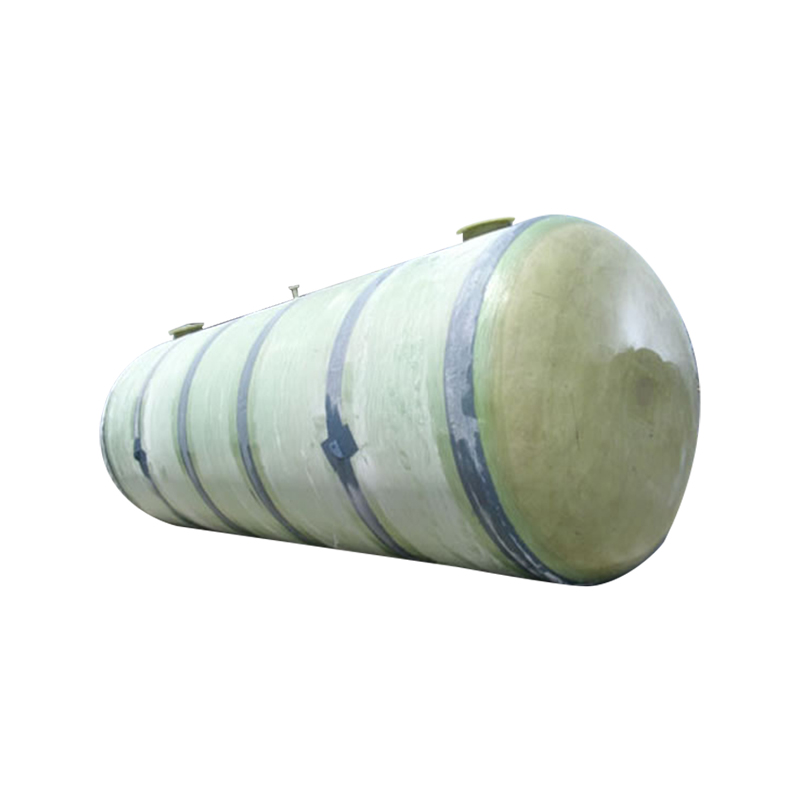
Underground Storage Tanks (USTs) are buried below the ground surface. They are an excellent choice for sites with limited space, as they free up valuable real estate. Burial also provides natural insulation, protecting the stored liquid from temperature fluctuations. However, UST installation is more complex and expensive, requiring significant excavation. Inspection and maintenance are also more challenging and costly. The fiberglass construction is a significant advantage for USTs, as it provides a natural resistance to corrosion from soil and groundwater, unlike steel tanks that require extensive cathodic protection.
Parameter Comparison: ASTs vs. USTs
| Parameter |
Above Ground Storage Tanks (ASTs) |
Underground Storage Tanks (USTs) |
| Installation |
Easier and less expensive |
More complex and expensive (requires excavation) |
| Maintenance & Inspection |
Easy, fully accessible |
Difficult and costly |
| Space Utilization |
Consumes valuable surface space |
Efficient, frees up surface space |
| Corrosion Protection |
Minimal, exposed to air and UV |
Excellent, naturally protected by soil |
Horizontal vs. Vertical Tanks
The orientation of a tank, whether horizontal or vertical, is typically chosen based on available space and structural requirements.
-
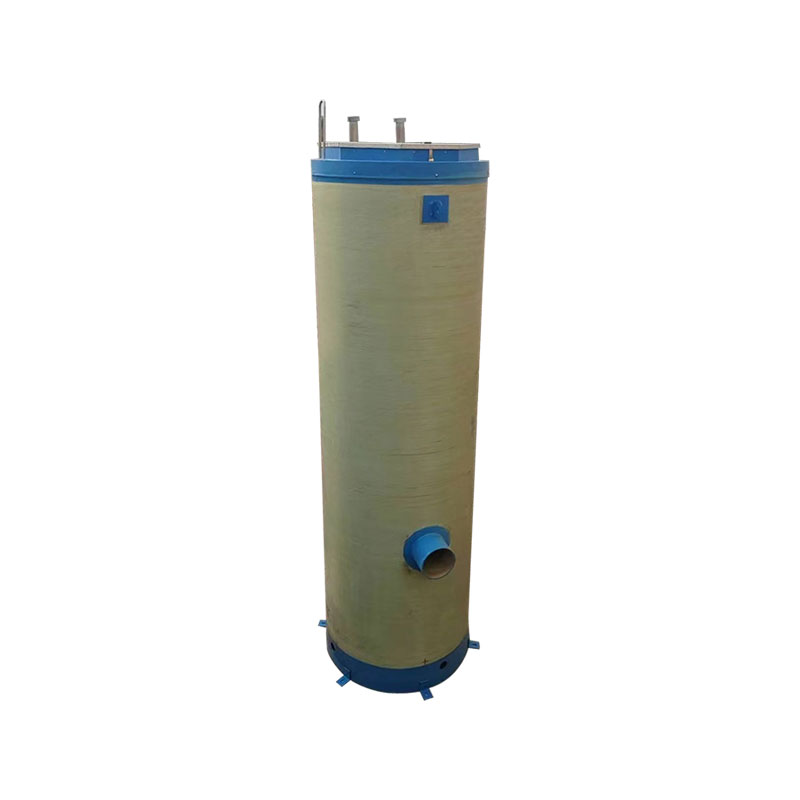
Vertical Tanks are taller and have a smaller footprint, making them ideal for sites with limited floor space or for maximizing storage capacity in a confined area. They are often used for bulk storage.
-
Horizontal Tanks are shorter and wider, requiring a larger footprint. They are often preferred when there are height restrictions or for applications requiring a lower profile. They are also easier to transport and have a lower center of gravity, which can be beneficial for stability.
Open Top vs. Closed Top Tanks
The choice between an open top and a closed top tank is driven by the application and the nature of the stored liquid.
-
Open Top Tanks are designed for liquids that don't need protection from the environment or that require regular access for mixing, stirring, or adding ingredients. Common applications include water treatment, plating, and chemical mixing.
-
Closed Top Tanks are the standard for storing most liquids, especially volatile, flammable, or hazardous chemicals. The sealed design prevents evaporation, controls odors, and protects the contents from external contaminants.
Custom Designed Tanks
One of the most significant advantages of FRP is the ability to create custom designed tanks. Manufacturers can use a variety of molding and winding techniques to produce tanks of almost any size, shape, or configuration. This allows for a tailor-made solution that fits specific site constraints, plumbing requirements, or process needs, something that is far more difficult and costly to achieve with steel or concrete.
Applications of FRP Storage Tanks
The exceptional properties of FRP make its tanks suitable for a wide range of industries and applications, particularly where corrosion, durability, and customization are critical factors.
Chemical Storage
FRP tanks are a premier solution for chemical storage, especially for corrosive substances like acids, alkalis, and salts. Their inert nature means they won't react with or degrade from the stored chemicals, eliminating the need for expensive and often temporary internal linings. They are used to safely store a vast array of chemicals in manufacturing plants, laboratories, and processing facilities.
Water and Wastewater Treatment
In the water and wastewater treatment industry, FRP tanks are essential for holding both potable water and various corrosive chemicals used in treatment processes, such as sodium hypochlorite (bleach), ferric chloride, and alum. Their corrosion resistance ensures the purity of drinking water and the safe containment of wastewater and its byproducts, preventing environmental contamination.
Oil and Gas Industry
The oil and gas industry utilizes FRP tanks for a variety of applications, including the storage of crude oil, refined fuels, and produced water. Produced water, a byproduct of oil extraction, is often highly corrosive due to its salt content and other contaminants. FRP tanks are a durable, long-lasting solution that can handle these harsh conditions without the risk of corrosion and leaks that plague traditional steel tanks.
Agriculture
The agriculture sector benefits from FRP tanks for storing fertilizers, pesticides, and animal waste. The corrosive nature of many fertilizers and chemicals used in farming makes FRP an ideal material. The tanks are also used for storing water for irrigation and livestock, providing a clean, durable, and low-maintenance storage solution in remote or demanding rural environments.
Food and Beverage Industry
In the food and beverage industry, FRP tanks are a preferred choice due to their non-toxic, non-absorbent, and hygienic properties. With the use of food-grade resins, these tanks meet stringent regulatory standards for the safe storage of liquids like juices, wines, syrups, and water. They ensure product purity and prevent contamination from the tank material itself.
FRP Storage Tank Design and Manufacturing
The design and manufacturing of FRP storage tanks are a precise process governed by established standards to ensure they meet the rigorous demands of their intended applications.
Design Standards and Considerations
Designing an FRP tank is a complex engineering task that considers numerous factors beyond just the volume of liquid to be stored. The design process must account for:
-
Chemical Compatibility: The specific resin and glass reinforcement must be chosen based on the chemical composition, concentration, and temperature of the liquid being stored to ensure long-term corrosion resistance.
-
Structural Loads: Tanks must be designed to withstand all forces, including hydrostatic pressure from the liquid, wind loads, seismic activity, and external pressures from the ground (for USTs).
-
Operating Conditions: The design must consider the tank's operational temperature and pressure, as these factors can significantly impact the material's performance and required wall thickness.
-
Fittings and Attachments: The placement and type of nozzles, manways, and other connections are critical to the tank's functionality and must be integrated into the design to prevent stress points and leaks.
These considerations are guided by industry-wide standards, such as those from ASTM (American Society for Testing and Materials) and ASME (American Society of Mechanical Engineers), which provide a framework for safe and reliable tank construction.
Manufacturing Processes (Filament Winding, Hand Lay-up)
FRP tanks are typically manufactured using two primary methods, each with its own advantages:
-
Filament Winding: This highly automated process involves continuously winding resin-soaked fiberglass filaments around a rotating mold (mandrel). The computer-controlled movement ensures a precise and uniform application, resulting in a tank with a very high strength-to-weight ratio. This method is ideal for producing high-volume, geometrically simple shapes like cylindrical tanks that require excellent strength for pressure-bearing applications.
-
Hand Lay-up (or Contact Molding): As the name suggests, this is a more manual process where layers of fiberglass mat and resin are applied by hand into a mold. While more labor-intensive, this method provides greater flexibility in creating custom, non-cylindrical shapes and complex geometries, making it suitable for low-volume or unique projects.
Parameter Comparison: Filament Winding vs. Hand Lay-up
| Parameter |
Filament Winding |
Hand Lay-up |
| Automation |
High (Computer-controlled) |
Low (Manual) |
| Part Geometry |
Limited to cylindrical/round shapes |
Highly flexible for complex shapes |
| Strength |
Very high strength-to-weight ratio |
Moderate strength, depends on skill |
| Production Volume |
Ideal for high-volume production |
Best for low-volume or custom jobs |
Quality Control and Testing
To ensure the integrity and safety of every tank, manufacturers follow strict quality control (QC) and testing procedures. This begins with checking raw materials for compliance and extends through every stage of production. Key tests include:
-
Visual Inspection: Technicians visually inspect the tank for surface defects, voids, and proper lamination.
-
Barcol Hardness Test: This test measures the hardness of the tank's surface, which correlates to the degree of resin curing. It ensures the resin has fully hardened and achieved its full strength potential.
-
Hydrostatic Testing: The tank is filled with water to a specified level to test for leaks and verify its structural integrity under load.
-
Acoustic Emission Testing: A specialized non-destructive test that uses sensors to listen for "stress waves" (acoustic emissions) within the tank wall as it is being pressurized. These sounds can reveal tiny cracks or flaws before they become major issues.
Installation of FRP Storage Tanks
Proper installation is critical to ensuring the long-term performance and safety of an FRP storage tank. While each project has unique requirements, the process generally follows a series of standard steps.
Site Preparation
Before the tank arrives, the installation site must be thoroughly prepared. For Above Ground Storage Tanks (ASTs), this involves constructing a concrete pad or a compacted, level bed of pea gravel that can provide full and uniform support for the tank's base. The foundation must be designed to handle the weight of a fully loaded tank without settling or deflection. For Underground Storage Tanks (USTs), a trench is excavated, and a suitable bed of compacted backfill material, such as pea gravel, is laid at the bottom. The excavation must be large enough to allow for proper placement and subsequent backfilling.
Tank Handling and Placement
FRP tanks, while strong, are not as rigid as steel tanks and must be handled with care to prevent damage. They should never be rolled or slid on the ground, as this can cause cracking. Tanks are typically lifted using a crane with specially designed lifting lugs or fabric rigging slings. The lifting equipment must be sized appropriately for the weight of the tank. For USTs, once in the trench, the tank must be carefully anchored to the concrete foundation using straps or a deadman anchoring system to prevent buoyancy (floating) when the tank is empty and the surrounding soil is saturated.
Piping Connections
Connecting piping to an FRP tank requires a different approach than with a rigid steel tank. Because FRP tanks can experience slight movement due to thermal expansion, filling, and emptying, rigid piping can create stress on the tank's nozzles and lead to leaks. To prevent this, flexible connectors or expansion joints should be used at all piping connections. These flexible joints absorb movement and vibration from pumps, ensuring that external forces are not transferred to the tank itself. The piping must also be properly supported to prevent sagging and stress on the connections.
Leak Testing
After the tank is placed and the piping is connected, a thorough leak test must be performed before the tank is put into service. The most common method is a hydrostatic test, where the tank is filled with water to a specified level and inspected for any leaks over a period of time. For double-wall tanks, the annular space (the space between the inner and outer walls) is also tested using vacuum or pressure decay methods. These tests are crucial for verifying the integrity of the tank and all its connections, ensuring it is safe for operation.
Maintenance and Inspection of FRP Storage Tanks
While FRP tanks are renowned for being low-maintenance, a proper and consistent maintenance and inspection plan is essential to ensure their long-term performance and safety. Catching minor issues early can prevent costly repairs and catastrophic failures.
Regular Inspection Procedures
Regular inspections are the cornerstone of FRP tank maintenance. They should be performed on a routine basis, with the frequency depending on the tank's application and the corrosiveness of the stored liquid. A typical inspection includes both an external and internal check.
-
External Inspection: Visually check for any signs of physical damage, such as scratches, cracks, crazing (a network of fine cracks), or delamination (separation of the layers). Also, inspect the tank supports, nozzles, and piping connections for any signs of stress or leaks. Check for UV damage, which can appear as a faded or chalky surface.
-
Internal Inspection: When safe and possible, an internal inspection should be performed, especially for tanks storing highly corrosive substances. This involves looking for signs of liner degradation, such as blistering, bubbling, or discoloration. The thickness of the tank's wall can be measured using non-destructive testing (NDT) methods like acoustic emission testing to detect hidden defects or thinning.
Cleaning and Repair
FRP tanks should be cleaned periodically to remove sediment, sludge, or biological buildup, which can compromise the quality of the stored liquid and potentially damage the tank liner over time.
-
Cleaning: The cleaning process involves draining the tank, followed by a thorough rinse with water and a mild, non-abrasive detergent. Harsh chemicals, abrasive cleaners, or high-pressure power washers should be avoided as they can damage the resin-rich corrosion barrier.
-
Repair: Minor damages, such as scratches or small cracks, can often be repaired on-site by a trained technician. The repair process involves preparing the damaged surface, applying new layers of fiberglass and resin, and curing the patch to match the tank's original properties. More significant damage or structural concerns should always be addressed by a professional FRP repair service.
Preventing Corrosion and Damage
Although FRP tanks are inherently corrosion-resistant, proper care and attention can further extend their lifespan.
-
Chemical Compatibility: Always ensure the stored liquid is compatible with the tank's resin system as specified by the manufacturer. Storing a chemical with a higher concentration or temperature than the tank was designed for can lead to premature failure.
-
UV Protection: For outdoor tanks, a UV-resistant topcoat or gel coat should be applied to protect the resin from ultraviolet radiation, which can cause the resin to break down and expose the fiberglass fibers, a condition known as "fiber blooming."
-
Proper Venting: Ensure the tank is properly vented to prevent the buildup of pressure or vacuum, which can cause structural damage. This is especially important for tanks storing volatile liquids.
-
Temperature Control: Maintain the stored liquid within the tank's specified temperature range. Exceeding this limit can weaken the tank's structural integrity over time.
Regulations and Standards for FRP Storage Tanks
The use of FRP storage tanks is governed by a variety of regulations and standards to ensure safety, environmental protection, and quality. These rules are established by federal, state, and local governments, as well as industry organizations.
EPA Regulations
The Environmental Protection Agency (EPA) has specific regulations that apply to tanks storing certain substances, particularly petroleum products and chemicals that could harm the environment. The primary regulations include:
-
Underground Storage Tank (UST) Regulations (40 CFR Part 280): These rules apply to tanks and piping that are at least 10% below ground. FRP is a widely accepted material for USTs because its inherent corrosion resistance addresses one of the main concerns with steel USTs. The regulations require leak detection, spill and overfill prevention, and proper tank installation and closure procedures.
-
Spill Prevention, Control, and Countermeasure (SPCC) Rule: This rule requires facilities that store oil in certain quantities to develop and implement a plan to prevent oil spills from reaching navigable waters. While the rule doesn't specify tank materials, it does require that tanks, including FRP tanks, have proper secondary containment, integrity testing, and a maintenance program to prevent spills.
Industry Standards (ASTM, ASME)
Industry standards provide a framework for the design, manufacturing, and testing of FRP tanks, ensuring consistent quality and performance.
-
ASTM (American Society for Testing and Materials): ASTM standards provide detailed specifications for the materials and fabrication processes of FRP tanks. Key standards include:
-
ASTM D3299: Covers filament-wound glass-fiber-reinforced tanks, outlining requirements for materials, design, and fabrication.
-
ASTM D4097: Addresses contact-molded (hand lay-up) glass-fiber-reinforced tanks, with similar specifications.
-
ASME (American Society of Mechanical Engineers): ASME provides more comprehensive standards, particularly for vessels that operate under pressure.
-
ASME RTP-1: This is the most widely recognized standard for Reinforced Thermoset Plastic Corrosion-Resistant Equipment for non-pressure and low-pressure applications (up to 15 psi). It covers design, materials, fabrication, inspection, and testing, and is often required for large-scale industrial projects.
-
ASME Section X: This standard covers fiber-reinforced plastic pressure vessels, which are used in higher-pressure applications and require more rigorous design and testing protocols.
Local and State Regulations
In addition to federal and industry standards, local and state regulations often impose their own requirements. These can include:
-
Permitting and Registration: Many states and municipalities require permits for the installation and operation of storage tanks, regardless of the material.
-
Fire Codes: Local fire codes may place restrictions on tank capacity, location, and the separation distance between tanks and buildings, especially for tanks storing flammable or combustible materials.
-
Additional Safety Requirements: Some jurisdictions may have stricter requirements for secondary containment, overfill protection, and leak detection systems, particularly in environmentally sensitive areas.
Cost Analysis of FRP Storage Tanks
A comprehensive cost analysis of storage tanks goes beyond the initial purchase price. It is essential to consider the Life Cycle Cost (LCC), which includes all expenses from initial investment to long-term maintenance and eventual disposal. While the initial cost of an FRP tank may be higher than a basic carbon steel tank, its lower LCC often makes it a more financially sound investment over its lifespan.
Initial Investment
The initial investment for a storage tank includes the cost of the tank itself, transportation to the site, and installation.
-
Tank Cost: FRP tanks can have a higher material cost than carbon steel tanks, depending on the size, design, and complexity of the required resin system.
-
Transportation Cost: Due to their lighter weight, FRP tanks are significantly less expensive to transport than steel tanks of a similar size. This can lead to substantial savings, especially for large tanks or long-distance shipping.
-
Installation Cost: The lightweight nature of FRP tanks also simplifies the installation process. They require less heavy lifting equipment and labor, which reduces overall installation costs and shortens project timelines. For underground tanks, the cost of special backfill may be a factor.
Life Cycle Costs
Life Cycle Costs encompass all expenses incurred over the tank's operational life. This is where FRP tanks truly demonstrate their value.
-
Maintenance & Repair: FRP tanks are inherently corrosion-resistant, eliminating the need for periodic repainting, cathodic protection, and internal lining repairs that are common and expensive for steel tanks. This leads to substantial long-term savings.
-
Inspections: While both tank types require routine inspections, the risk of internal corrosion in steel tanks often necessitates more frequent and complex inspections, which can be costly.
-
Longevity: With proper care, FRP tanks have a long service life, often exceeding 20-40 years, which is often longer than the lifespan of a steel tank in a corrosive application. This delays the costly process of replacement.
Parameter Comparison: FRP vs. Steel Tank Costs
| Parameter |
FRP Storage Tanks |
Steel Storage Tanks |
| Initial Cost |
Often higher material cost |
Lower material cost |
| Transportation Cost |
Lower (due to lighter weight) |
Higher (due to heavier weight) |
| Installation Cost |
Lower (requires less heavy equipment) |
Higher (requires more heavy equipment) |
| Maintenance Cost |
Low (no corrosion, painting, or cathodic protection) |
High (requires periodic repainting, lining, and cathodic protection) |
| Lifespan |
Long (20-40+ years) |
Varies, but often shorter in corrosive applications (15-25 years) |
| Total Life Cycle Cost |
Often lower over the long term |
Higher, due to significant maintenance and replacement costs |
ROI Considerations
The Return on Investment (ROI) for an FRP tank is realized over its service life. While the upfront cost may be a hurdle, the long-term savings in maintenance, reduced downtime, and extended lifespan provide a powerful financial argument. By choosing FRP, a business is not just buying a tank; it's investing in a durable, low-cost solution that will perform reliably for decades.



 Tiếng Việt
 عربى
عربى Get a quote


 Tel: +86 0515-86302568
  E-mail:
  Add: No. 11, Xingwang Road, Jianyang Town, Jianhu County, Jiangsu Province, China