1. Introduction to Assembly Bolted Sectional Water Tanks
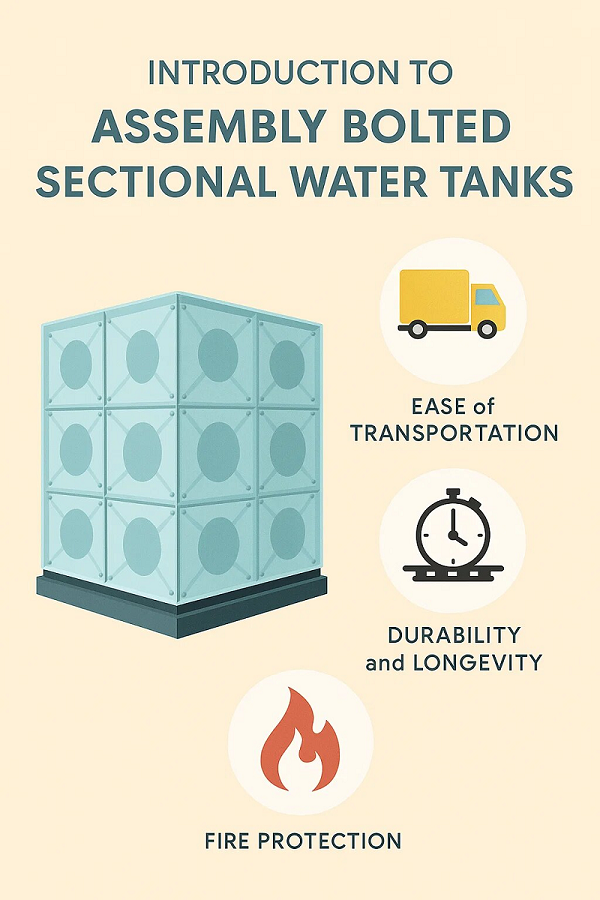
In a world where reliable and efficient water storage is paramount, assembly bolted sectional water tanks have emerged as a superior solution for a wide range of applications. bolted sectional tanks are not just simple containers; they are sophisticated, modular systems designed for flexibility, durability, and ease of installation. Unlike traditional welded or concrete tanks, sectional water tanks are constructed from pre-fabricated panels that are bolted together on-site, offering a unique blend of benefits for both residential and industrial use.
1.1 What are Assembly Bolted Sectional Water Tanks?
An assembly bolted sectional water tank is a type of liquid storage solution composed of individual, factory-manufactured panels. These panels, which can be made from various materials like galvanized steel, composite, or fiberglass, are transported to the site in a knocked-down state. The entire tank is then assembled by bolting the panels together, along with sealing materials, to form a robust, watertight structure.This modular design simplifies logistics and allows for the construction of tanks of virtually any size and shape.
1.2 Benefits of Using Bolted Sectional Tanks
The popularity of these tanks stems from their numerous advantages. Key benefits include:
-
Ease of Transportation: The modular panels are easy to transport, even to remote or hard-to-access locations, significantly reducing shipping costs and logistical challenges.
-
Rapid On-Site Assembly: The on-site assembly process is much faster and requires less heavy machinery compared to constructing a welded or concrete tank. This minimizes disruption and labor costs.
-
Customization and Scalability: The modular nature allows for high levels of customization. Tanks can be built to specific dimensions to fit available space, and capacity can be increased later by simply adding more panels.
-
Durability and Longevity: When made from high-quality materials like galvanized steel or durable composites, these tanks are highly resistant to corrosion and harsh environmental conditions, ensuring a long service life.
-
Relocatability: Unlike permanent structures, a bolted tank can be disassembled and relocated if needed, offering a flexible water storage solution.
1.3 Applications of Bolted Sectional Water Tanks
The versatility of these tanks makes them suitable for a wide array of applications, including:
-
Fire Protection: Storing large volumes of water for fire suppression systems in commercial and industrial buildings.
-
Potable Water Storage: Providing a clean and safe supply of drinking water for municipalities, residential communities, and rural areas.
-
Industrial Processes: Holding water for manufacturing, chemical processing, and other industrial water tanks applications.
-
Agriculture: Storing water for irrigation, livestock, and other farming needs.
-
Emergency and Disaster Relief: Serving as a quick and reliable source of water in emergency situations.
This introduction sets the stage for a deep dive into the specifics of assembly bolted sectional water tanks, from the materials they are made of to the best practices for their installation and maintenance. By understanding these components, you can make an informed decision about the best water storage solution for your needs.
2. Materials Used in Bolted Sectional Water Tanks
The choice of material is one of the most critical decisions when selecting an assembly bolted sectional water tank. Each material offers a unique balance of cost, durability, and suitability for specific applications. The most common materials are galvanized steel, composite materials, and fiberglass.
2.1 Galvanized Steel Tanks
Galvanized steel is a popular and traditional choice for bolted water tanks. The process of galvanization involves coating steel with a layer of zinc, which acts as a sacrificial anode, protecting the steel from rust and corrosion.
2.1.1 Advantages of Galvanized Steel
-
Durability and Strength: Galvanized steel is incredibly strong and resistant to physical damage, making it suitable for large-scale industrial water tanks.
-
Cost-Effective: It is often the most economical option for large-volume water storage, offering a good balance of cost and longevity.
-
Recyclability: Steel is a highly recyclable material, which contributes to a lower environmental footprint.
-
Proven Track Record: Galvanized steel has been used for liquid storage for decades, providing a long and reliable history of performance.
2.1.2 Disadvantages of Galvanized Steel
-
Corrosion Risk: While galvanized, the zinc coating can be compromised over time, especially in acidic or highly corrosive environments, leading to rust.
-
Weight: Steel panels are heavy, which can make transportation and on-site assembly more challenging than with lighter materials.
-
Heat Absorption: Steel can absorb and transfer heat, which may affect the temperature of the stored water.
2.2 Composite Water Tanks
Composite materials, often a combination of a polymer resin and a reinforcing material like fiberglass, are a modern alternative to traditional steel. They are becoming increasingly popular for their unique properties.
2.2.1 Advantages of Composite Materials
-
Excellent Corrosion Resistance: Composites are non-corrosive and do not rust, making them ideal for storing various types of liquids, including those with corrosive properties.
-
Lightweight: The panels are significantly lighter than steel, which simplifies transportation and reduces the complexity of the tank installation process.
-
High Strength-to-Weight Ratio: Despite being lightweight, composite panels are very strong and can withstand significant structural loads.
-
Insulation Properties: Composites have natural insulating properties, which helps maintain a more stable water temperature.
2.2.2 Disadvantages of Composite Materials
-
Higher Initial Cost: The upfront cost of composite tanks is typically higher than that of galvanized steel tanks.
-
Susceptibility to UV Damage: Some resins can degrade over time when exposed to prolonged UV radiation unless they are specially treated or coated.
-
Repair Complexity: While durable, repairing a composite tank can be more complex than repairing a steel one.
2.3 Fiberglass Water Tanks
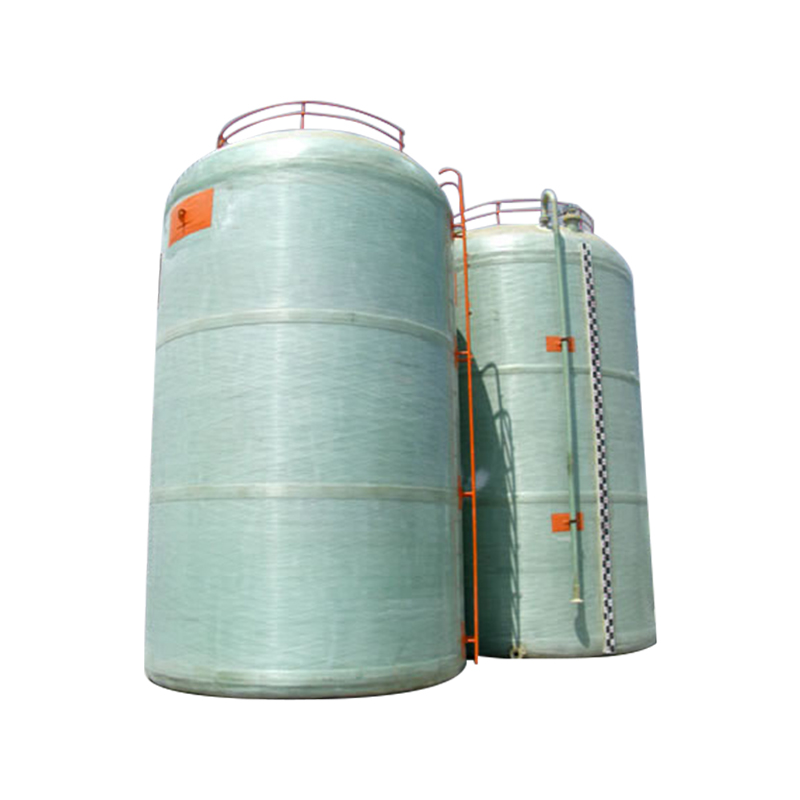
Fiberglass Reinforced Plastic (FRP) is a type of composite material, but it's often discussed separately due to its widespread use. It consists of a polymer matrix reinforced with fine fibers of glass.
2.3.1 Advantages of Fiberglass
-
Superior Corrosion Resistance: Fiberglass is highly resistant to a wide range of chemicals, making it an excellent choice for specialized industrial applications.
-
Lightweight and Easy to Handle: Similar to other composites, fiberglass panels are light, making them easy to transport and assemble.
-
Smooth Interior Surface: The smooth surface of fiberglass inhibits the growth of bacteria and algae, which is a significant advantage for potable water storage and water conservation.
2.3.2 Disadvantages of Fiberglass
-
Brittleness: While strong, fiberglass can be brittle and susceptible to cracking or chipping from sharp impacts.
-
UV Degradation: Like other composites, fiberglass can degrade with prolonged sun exposure, necessitating a UV-resistant gel coat.
-
Cost: Fiberglass tanks can be more expensive than galvanized steel options, especially for larger capacities.
The choice between these materials depends on a variety of factors, including the budget, the intended application, environmental conditions, and logistical considerations. Each material provides a solid foundation for a long-lasting sectional water tank, and understanding their pros and cons is key to making the right choice for your specific needs.
3. Assembly Process of Bolted Sectional Water Tanks
One of the greatest advantages of assembly bolted sectional water tanks is their straightforward on-site assembly. The modular design streamlines the entire process, reducing construction time and labor costs. However, a successful installation requires careful planning and execution.
3.1 Preparing the Site for Installation
Before a single panel is even delivered, proper site preparation is essential. The foundation is the most critical element, as it must be able to support the entire weight of the tank when it's full of water.
-
Foundation Requirements: The site must have a solid, level foundation, typically a concrete slab or a compacted gravel base. The foundation's surface must be completely flat to ensure the tank's base panels sit flush, which is crucial for preventing leaks and maintaining the tank's structural integrity.
-
Access and Space: Ensure there's adequate space around the foundation for the assembly crew to work safely and efficiently. This includes room for equipment, panel staging, and lifting devices.
-
Utility Connections: Confirm the location of water supply lines, overflow pipes, and any other necessary utility connections. Planning for these in advance prevents complications during the final stages of the tank installation.
3.2 Step-by-Step Assembly Guide
The assembly process generally follows a logical sequence, ensuring each component fits together perfectly. While specific steps may vary by manufacturer, a typical guide includes:
-
Lay Out the Base Panels: The first step is to place the base panels on the prepared foundation. These panels are typically bolted together first to create the tank's floor.
-
Erect the Wall Panels: Once the base is secure, the wall panels are bolted into position, one by one, using bolts, gaskets, and sealants. This is where the tank begins to take its final shape.
-
Install the Roof: After all the walls are in place, the roof panels are attached. The roof provides structural stability and protects the stored water from contaminants and environmental factors.
-
Seal All Joints: A crucial part of the process is the application of sealant to all bolted joints. High-quality, non-toxic sealants and gaskets are used between each panel to create a watertight seal. This step is vital for leak prevention.
-
Install Accessories: Finally, all accessories, such as access hatches, vents, and inlet/outlet connections, are fitted to the tank.
3.3 Tools and Equipment Required
The tools needed for assembly are generally simple and readily available. They include basic hand tools like wrenches and torque drivers for tightening bolts, as well as lifting equipment like hoists or cranes for larger panels. Most water tank manufacturers provide detailed assembly manuals and, in some cases, specialized tools to ensure a precise fit.
3.4 Common Mistakes to Avoid During Assembly
Even with a straightforward process, some common pitfalls can compromise the tank's integrity and longevity.
-
Improper Foundation: A non-level or unstable foundation can cause stress on the tank panels, leading to leaks or even structural failure.
-
Incorrect Sealing: Failure to apply sealant correctly or use the wrong type of gasket is the leading cause of leaks. Every joint must be properly sealed and inspected.
-
Over- or Under-Torquing Bolts: Bolts must be tightened to the manufacturer's specified torque. Over-torquing can damage panels or bolts, while under-torquing can lead to loose joints and leaks.
-
Rushing the Process: Rushing can lead to overlooked steps, such as missing a gasket or not tightening a bolt, which can cause significant problems later on. A methodical approach is key.
Following these guidelines ensures a safe, efficient, and successful tank installation, resulting in a durable and reliable sectional water tank ready for years of service.
4. Installation Best Practices
A successful tank installation of a bolted sectional water tank goes beyond simply bolting panels together. It requires a meticulous approach to ensure the tank's long-term performance, safety, and watertight integrity. Adhering to these best practices will guarantee a reliable water storage solution.
4.1 Foundation Requirements
The foundation is the bedrock of any bolted sectional tank and a critical factor in its longevity. A poorly prepared foundation can lead to a host of problems, from leaks to structural failure.
-
Level and Flat Surface: The most crucial requirement is a perfectly level and flat foundation. Even minor irregularities can create stress points on the tank panels, compromising the seals and leading to leaks. A concrete slab is the most common and recommended foundation, as it provides a stable and uniform surface. For tanks placed on soil, a compacted gravel base with a concrete ring beam is an acceptable alternative, but meticulous leveling is still essential.
-
Load-Bearing Capacity: The foundation must be engineered to support the full weight of the tank when it is filled with water. A tank's weight is not just the empty structure but the volume of water it holds. Engineers must calculate the total load and ensure the foundation can handle it without settling or cracking.
-
Accessibility and Drainage: The foundation should be elevated slightly to prevent water from pooling around the base of the tank. Proper drainage, such as a perimeter trench or sloped ground, helps divert rainwater away, protecting the tank's base and preventing corrosion.
4.2 Sealing and Leak Prevention
The watertight integrity of a sectional water tank hinges on the quality of its seals. This is a primary concern for any liquid storage application.
-
High-Quality Sealants and Gaskets: Always use the sealants and gaskets recommended by the water tank manufacturers. These materials are specifically designed to be compatible with the tank panels and the type of liquid being stored. For potable water, it is essential to use food-grade, non-toxic sealing materials that comply with relevant standards.
-
Proper Application: Gaskets should be laid evenly and without any twists or wrinkles. The sealant should be applied consistently to all joints as per the manufacturer's instructions. A common mistake is to skimp on sealant, which can create weak points.
-
Torque-Controlled Bolting: Bolts should be tightened using a torque wrench to the precise specifications provided by the manufacturer. This ensures consistent compression on the gaskets, creating an optimal seal. Over-torquing can damage the panels and seals, while under-torquing results in loose joints that are prone to leaks.
4.3 Connecting to Water Sources
Properly connecting the tank to inlet, outlet, and overflow pipes is essential for its functionality and safety.
-
Flexible Connections: Use flexible couplings or pipe connections where the pipes meet the tank. This is crucial to accommodate any minor expansion, contraction, or settling that may occur. Rigid connections can put stress on the tank panels, potentially leading to cracks or leaks.
-
Proper Sizing: Ensure all pipe sizes are appropriate for the tank's capacity and the intended flow rate. Oversized pipes can be unnecessary, while undersized pipes can impede flow and put strain on pumps.
-
Overflow and Venting: An overflow pipe is essential to prevent overfilling, and it should be positioned to drain away from the foundation. Proper venting, typically a screened vent on the roof, allows air to enter and exit the tank during filling and emptying, preventing a vacuum or pressure buildup that could damage the structure.
4.4 Ensuring Structural Integrity
Beyond the foundation and sealing, other best practices contribute to the tank’s overall structural integrity, especially during the on-site assembly process.
-
Following Assembly Manuals: Always follow the manufacturer's detailed instructions. These manuals are engineered to ensure the tank is built correctly, layer by layer.
-
Inspecting Each Panel: Before assembly, inspect each panel for any signs of damage from shipping or handling. A damaged panel, even with a minor dent, could compromise the tank's structural integrity.
-
Internal and External Bracing: For larger tanks, internal and external bracing systems are often required. These are designed to resist hydrostatic pressure from the water and wind loads. Ensure all bracing is installed correctly and securely as per the design specifications.
By following these installation best practices, you can ensure your bolted sectional water tank is not only built to last but also operates safely and efficiently for decades to come, providing a reliable source for your water conservation needs.
5. Maintenance and Longevity
While assembly bolted sectional water tanks are known for their durability and low maintenance, a proactive approach to care is essential to ensure a long and reliable service life. Regular water tank maintenance not only prevents costly repairs but also guarantees the continued safety and quality of the stored water.
5.1 Regular Inspection Procedures
Routine inspections are the cornerstone of a good maintenance plan. They allow you to identify potential issues before they escalate.
-
External Visual Inspection: Walk around the entire tank and look for any signs of rust, corrosion, or paint blistering on galvanized steel tanks. For composite tanks or fiberglass models, check for any cracks, chips, or signs of UV degradation. Also, inspect all bolts and nuts to ensure they are secure and not loose.
-
Internal Inspection: When feasible, and with proper safety precautions, a periodic internal inspection is crucial. Look for any signs of sediment buildup, algae growth, or biofilm on the walls and floor. Check the integrity of the internal seals and joints. Pay close attention to the base-to-wall joints, as these are common areas for leaks.
-
Accessory Check: Inspect all accessories, including the manway cover, vents, ladders, and inlet/outlet connections. Ensure vents are clear of debris, manway seals are intact, and no connections are leaking.
-
Leak Detection: While a major leak is obvious, a minor leak can be harder to spot. Look for damp spots on the ground around the tank or discoloration on the panels, which may indicate a small, seeping leak.
5.2 Cleaning and Disinfection
For tanks storing potable water, regular cleaning and disinfection are critical for public health and water conservation.
-
Frequency: The frequency of cleaning depends on the water quality and the tank's environment. For potable water, it is generally recommended to clean and disinfect the tank at least once a year, or as required by local health regulations.
-
Cleaning Process: The tank must be drained and ventilated before a crew enters. The internal surfaces should be scrubbed to remove any sediment, dirt, or biofilm. High-pressure washing can be effective, but care must be taken not to damage the panel surfaces or seals.
-
Disinfection: After cleaning, the tank should be disinfected using a chlorine solution. The solution is circulated through the tank and left to stand for a specified period to kill any remaining bacteria or microorganisms. The tank must then be thoroughly flushed with clean water until all traces of chlorine are gone before being refilled for use.
5.3 Repairing and Replacing Sections
Despite their durability, sections of a bolted tank can occasionally be damaged. Fortunately, the modular design makes repairs straightforward.
-
Minor Repairs: Small leaks in a joint can often be fixed by re-torquing the bolts or applying a specialized sealant. Minor surface damage to galvanized steel can be treated with a cold galvanizing spray to prevent rust. For composites and fiberglass, small cracks can often be patched with a resin repair kit.
-
Panel Replacement: If a panel is severely damaged, the modular design allows for its replacement without dismantling the entire tank. The damaged panel can be unbolted and removed, and a new one can be installed in its place. This is a significant advantage over single-piece tanks, where a major repair might require a full replacement.
-
Professional Help: For significant damage or internal repairs, it is always best to consult with water tank manufacturers or a qualified professional. They have the expertise and equipment to perform repairs safely and effectively, ensuring the tank's structural integrity is not compromised.
5.4 Extending the Lifespan of Your Tank
-
Environmental Protection: For tanks in harsh environments (e.g., coastal areas with salt spray or areas with acidic rain), consider a protective coating or paint specifically designed for the tank's material.
-
Foundation Integrity: Periodically check the foundation for cracks or settling that could put stress on the tank.
-
Ventilation: Ensure the tank is properly vented. A blocked vent can create pressure changes that damage the tank's structure.
By dedicating time to these simple yet critical maintenance tasks, you can significantly extend the lifespan of your sectional water tank, ensuring it remains a reliable asset for years to come.
6. Advantages and Disadvantages
Choosing the right water storage solution involves a careful consideration of various factors, and assembly bolted sectional water tanks present a unique set of pros and cons when compared to other types of tanks. Understanding these differences is crucial for making an informed decision that aligns with your specific needs and budget.
6.1 Cost Analysis: Initial vs. Long-Term
The cost of a bolted sectional tank is a significant factor, but it's important to look beyond the initial purchase price.
-
Initial Cost: The upfront cost of a bolted tank can be competitive, especially for smaller to medium-sized tanks. The manufacturing process is efficient, and the modular design often reduces production costs. However, for very large projects, other options might have a lower per-unit cost.
-
Installation Cost: The biggest financial advantage lies in the installation. The on-site assembly process is faster and requires less heavy machinery and skilled labor (like welders for steel tanks) compared to traditional methods. This significantly lowers labor and equipment rental costs.
-
Long-Term Value: The long-term cost-effectiveness of bolted tanks is a major selling point. Their durability and ease of maintenance mean lower lifetime costs. Furthermore, their relocatability provides a unique long-term value. If your operations move, you can disassemble and transport the tank, avoiding the need to purchase a new one, which is impossible with concrete or welded tanks.
6.2 Environmental Impact
The environmental footprint of a sectional water tank is a growing consideration for many users.
-
Materials: Materials like galvanized steel are highly recyclable, which minimizes waste at the end of the tank's life. Composite water tanks and fiberglass water tanks can be more challenging to recycle, though advancements are being made.
-
Reduced Transport Emissions: Because the panels are transported in a compact, knocked-down state, a single truck can carry a tank that would require multiple trucks if it were a pre-fabricated, one-piece unit. This reduces fuel consumption and carbon emissions associated with transportation.
-
Water Conservation: By providing a reliable and leak-proof storage solution, these tanks play a direct role in water conservation, helping to manage resources efficiently and prevent waste.
6.3 Customization Options
The modular nature of bolted water tanks offers a level of customization that is difficult to achieve with other solutions.
-
Flexible Sizing: Tanks can be designed to almost any size and capacity simply by adjusting the number of panels used. This allows them to fit into tight or unusually shaped spaces.
-
Easy Expansion: If your water storage needs grow in the future, you can easily expand the tank's capacity by adding more panels to the existing structure. This scalability is a major benefit for growing businesses or communities.
-
Configuration: The tanks can be configured for specific applications, with panels pre-cut for inlets, outlets, and access hatches, providing a tailored solution.
6.4 Comparison with Other Water Storage Solutions
In conclusion, bolted sectional tanks stand out for their flexibility, cost-effectiveness over the long term, and ease of installation, making them a superior choice for many modern liquid storage applications.
7. Regulations and Standards
For any water storage solution, particularly those used for potable water or industrial processes, compliance with regulations and adherence to industry standards are non-negotiable. These guidelines are in place to ensure public health, safety, and the structural integrity of the tank. For assembly bolted sectional water tanks, navigating this landscape is crucial for a successful and compliant project.
7.1 Industry Standards and Certifications
A number of national and international organizations set the benchmarks for the design, manufacturing, and performance of water tanks. Reputable water tank manufacturers will have their products certified to meet these standards.
-
American Water Works Association (AWWA): AWWA is a leading authority on water quality and storage. For bolted steel tanks, standards like AWWA D103-09 provide comprehensive guidelines for the design, construction, inspection, and maintenance of factory-coated bolted steel tanks for water storage. Adhering to AWWA standards ensures the tank is built to a high level of quality and safety.
-
NSF International (NSF/ANSI Standard 61): This standard is specifically for components of drinking water systems. Any tank used for potable water storage must be certified to NSF/ANSI Standard 61. This certification guarantees that the materials used in the tank, including the panels, seals, and coatings, will not leach harmful contaminants into the water, ensuring it remains safe for human consumption.
-
American Society of Civil Engineers (ASCE): ASCE provides standards for structural design, which are particularly relevant for ensuring the tank can withstand environmental loads like wind, snow, and seismic activity.
7.2 Local Regulations for Water Storage
While industry standards provide a national framework, local regulations can add another layer of requirements that must be followed.
-
Building Codes: Your local building department will have specific codes that govern the tank installation process. These can include requirements for the foundation, anchoring, and the distance of the tank from other structures. A building permit is typically required before any construction can begin.
-
Health and Environmental Regulations: Health departments or environmental protection agencies may have specific rules regarding the type of materials allowed for liquid storage, especially for potable water or certain chemicals. They may also require regular water quality testing and maintenance records for industrial water tanks to prevent contamination.
-
Zoning and Land Use: Local zoning laws dictate where certain types of structures can be built. You may need to ensure your tank is located in a zone that permits water storage solutions of its size and type.
7.3 Compliance and Safety
Failure to comply with these regulations can lead to a number of severe consequences.
-
Legal Penalties: Non-compliance can result in fines, cease-and-desist orders, or legal action. In some cases, a project may be shut down entirely if it doesn't meet safety or health standards.
-
Structural Failure: Ignoring engineering standards can lead to catastrophic structural failure. A tank that is not designed or installed to withstand local environmental loads is a significant safety hazard.
-
Contamination: For tanks storing potable water, non-compliance with NSF or other health standards could lead to contamination, posing a serious risk to public health. The tank would have to be drained, cleaned, and replaced or re-certified at significant cost and inconvenience.
In summary, a successful project involving bolted water tanks relies not only on a high-quality product and expert on-site assembly but also on a thorough understanding and strict adherence to the regulatory environment. Partnering with a reputable water tank supplier or manufacturer who is knowledgeable about these standards can help streamline the process and ensure a safe and compliant installation.
8. Top Manufacturers and Suppliers
The market for bolted sectional water tanks is served by a number of specialized water tank manufacturers and water tank suppliers who offer a range of materials and designs. When selecting a product, it's beneficial to know who the key players are and what distinguishes them in the industry.
8.1 Key Players in the Market
The industry features a mix of long-established companies and innovative newcomers. These companies often specialize in a particular material or application, but many offer a diverse product line to meet various needs.
-
CST Industries: Recognized as a global leader, CST is known for its wide range of engineered storage tank solutions, including glass-fused-to-steel, epoxy-coated, and galvanized steel tanks. Their brand, Aquastore®, is particularly well-regarded for its durable glass-fused-to-steel technology. They serve a broad spectrum of industries, from municipal water and wastewater to fire protection and industrial liquids.
-
Superior Tank Co.: As a prominent manufacturer of both welded and bolted water tanks, Superior Tank Co. has a strong reputation for innovation and quality. They provide a full suite of services, from engineering and manufacturing to installation, and are certified to meet a number of industry standards, including AWWA D103.
-
Tank Connection: This company is noted for its "precision RTP" (rolled, tapered panel) construction, which it claims is the number one bolted tank design worldwide. Tank Connection offers a comprehensive line of storage systems, including various coatings and tank types, and prides itself on its vertically integrated operations and global reach.
-
Balmoral Tanks: A key player in the UK and Europe, Balmoral specializes in modular sectional tanks, with a focus on glass-fused-to-steel and other composite materials. They are known for their fast installation and are certified to meet European standards.
8.2 Product Comparison
While many water tank manufacturers produce similar products, there are key differentiators that can influence a purchasing decision.
-
Materials and Coatings: Some manufacturers specialize in galvanized steel tanks, focusing on advanced galvanization processes or post-galvanization coatings. Others, like CST Industries and Balmoral, have pioneered glass-fused-to-steel technology, which offers a highly durable, maintenance-free surface. Fiberglass water tanks and other composite water tanks are the specialty of companies like Granby Composites and Belding Tank Technologies, which highlight the benefits of lightweight, corrosion-resistant materials.
-
Design and Engineering: Companies like Tank Connection emphasize a unique panel design (RTP) that they claim offers superior performance. Others may focus on providing custom-engineered solutions for complex projects, offering a broader range of tank shapes and sizes beyond the standard cylindrical or square models.
-
Service and Support: Many top water tank suppliers offer more than just a product. They provide a full-service experience, including engineering consultation, on-site supervision for tank installation, and comprehensive after-sales support, including inspection and maintenance services.
8.3 Choosing the Right Supplier
Selecting the best supplier requires careful due diligence. Here's what to look for:
-
Experience and Reputation: Look for a company with a proven track record. Check for case studies and customer testimonials to see how they have handled projects similar to yours.
-
Certifications: Ensure the manufacturer and their products are certified by relevant authorities like AWWA and NSF International. This guarantees that the tank meets critical safety and quality standards.
-
Total Cost of Ownership: Don't just focus on the initial price. Consider the long-term costs, including maintenance, potential for repairs, and the tank's expected lifespan. A higher-quality tank may have a higher upfront cost but offer a lower total cost of ownership over its lifetime.
-
Support and Warranty: Inquire about the manufacturer's warranty and the level of support they provide. A strong warranty and accessible technical support are invaluable assets should any issues arise after installation.
By carefully evaluating these factors, you can find a water tank supplier that not only provides a high-quality product but also acts as a reliable partner throughout the entire lifecycle of your liquid storage system.
9. Case Studies
Examining real-world examples provides the best insight into the practical benefits and challenges of using assembly bolted sectional water tanks. The following case studies illustrate how these versatile liquid storage solutions have been successfully implemented across different industries, offering valuable lessons for future projects.
9.1 Successful Implementations in Various Industries
Case Study 1: Municipal Water Storage for a Growing Community
-
Challenge: A rapidly expanding suburban community needed to increase its potable water storage capacity to meet rising demand. The chosen site was a small, hilly parcel of land with limited access for heavy construction vehicles. A traditional concrete tank would have required extensive site preparation, a lengthy construction timeline, and significant disruption to the local area.
-
Solution: The city opted for a large galvanized steel bolted sectional tank. The pre-fabricated panels were easily transported up the narrow access road on standard flatbed trucks. The on-site assembly process was completed in a matter of weeks by a small, specialized crew, minimizing noise and traffic disruption. The modular design allowed the tank to be precisely sized to fit the available space, and the tank's AWWA and NSF 61 certifications ensured the water would remain safe for consumption.
-
Outcome: The project was completed on time and under budget. The new bolted water tank provided the necessary storage capacity, and its long-term durability and low maintenance profile promised a reliable asset for the community for decades to come.
Case Study 2: Fire Protection at a Remote Manufacturing Plant
-
Challenge: A new, large-scale manufacturing facility was being built in a remote, rural location. As part of its fire suppression system, a dedicated industrial water tank with a capacity of 500,000 gallons was required. Due to the location's distance from major infrastructure, transporting a one-piece welded tank was prohibitively expensive and logistically complex.
-
Solution: A composite water tank was selected for its superior corrosion resistance and lightweight panels. The modular sections were shipped to the site in a single delivery. The tank installation team quickly assembled the structure using a small crane and standard tools. The non-corrosive nature of the composite material was a key advantage, as it required no internal coating or regular maintenance, ensuring the fire suppression water would remain clean and ready for use at all times.
-
Outcome: The fire protection system was installed well ahead of the factory's opening date. The speed and efficiency of the bolted tank's assembly saved the company both time and money, allowing them to focus on getting the plant operational.
Case Study 3: Agricultural Irrigation in a High-Salinity Environment
-
Challenge: A large agricultural operation needed a series of water storage solutions for irrigation. The water source was from a brackish well, which contained high levels of salts that would quickly corrode standard steel tanks. The tanks needed to be durable and resistant to the corrosive nature of the water to ensure a long lifespan and protect against leaks.
-
Solution: The farm installed multiple fiberglass water tanks. The inherent chemical resistance of the fiberglass material made it the ideal choice for storing the high-salinity water. The tanks were delivered in panels, allowing them to be assembled efficiently on different parts of the farm, providing decentralized water conservation points for irrigation.
-
Outcome: The fiberglass water tanks performed flawlessly, with no signs of corrosion or leaks even after years of use. Their smooth interior surfaces also inhibited algae growth, further reducing maintenance needs and ensuring the quality of the irrigation water.
9.2 Lessons Learned
From these case studies, several key themes emerge:
-
Flexibility and Logistics: The modular design of bolted sectional tanks makes them an unparalleled choice for projects in remote, confined, or logistically challenging locations. The ability to transport tanks in a "knocked-down" state is a significant advantage.
-
Material Selection is Critical: The success of each project hinged on choosing the right tank material for the specific application. Whether it was galvanized steel for its durability, a composite for its light weight and corrosion resistance, or fiberglass for its chemical inertness, the material choice was paramount.
-
Efficiency of Assembly: The on-site assembly process consistently proves to be faster and more cost-effective than traditional construction methods, offering a streamlined path to a functional water storage system.
10. Future Trends in Bolted Sectional Water Tanks
The field of bolted sectional water tanks is continually evolving, driven by the need for more efficient, sustainable, and technologically advanced water storage solutions. As global challenges like climate change and urbanization intensify, the industry is responding with innovations that will shape the future of liquid storage.
10.1 Technological Advancements
Technology is set to play an increasingly important role in the design and operation of bolted tanks, moving them from passive containers to "smart" assets.
-
IoT and Smart Monitoring: The future of water tank maintenance will be proactive and data-driven. Smart sensors and Internet of Things (IoT) technology are being integrated into tanks to provide real-time data on water levels, temperature, and even quality. These sensors can transmit information to a centralized dashboard or a smartphone app, alerting owners to potential issues like leaks, abnormal water usage, or low water levels. This allows for timely intervention, preventing water waste and ensuring a continuous supply.
-
Advanced Connection Design: Engineers are using sophisticated software, such as Finite Element Analysis (FEA), to model and optimize the structural connections between tank panels. This allows for more efficient and robust designs that can withstand greater environmental pressures, including high winds and seismic activity, with less material. This not only improves safety but also reduces manufacturing costs.
-
Automated Assembly: While on-site assembly is already a major benefit, future advancements may include the use of robotics and automation to streamline the process even further. This could lead to even faster installation times, greater precision, and a reduction in labor costs.
-
Self-Cleaning and Self-Sensing Materials: Research is underway on new materials that can resist biofilm and algae growth on their own, reducing the need for manual cleaning and disinfection. Similarly, materials with embedded sensors could provide continuous, real-time data on their structural integrity and environmental conditions.
10.2 Sustainable Solutions
Sustainability is no longer an option but a necessity. The water storage industry is adopting new materials and practices to minimize its environmental footprint.
-
Eco-Friendly Coatings and Materials: Beyond traditional galvanized steel and fiberglass, manufacturers are exploring new, more sustainable materials. This includes advanced composites made from recycled or bio-based resins. Coatings are being developed that are not only more durable but also free of volatile organic compounds (VOCs), making them safer for both the environment and the people handling them.
-
Rainwater Harvesting and Water Reuse: Bolted sectional tanks are becoming a cornerstone of large-scale rainwater harvesting systems. Their customizable size and ease of installation make them perfect for collecting and storing rainwater for non-potable uses like irrigation and industrial processes. This trend is a major component of a global shift towards water conservation and the responsible management of resources.
-
Renewable Energy Integration: The future may see industrial water tanks with integrated solar panels to power pumps, sensors, and water treatment systems. This integration would not only reduce energy costs but also make the entire system more resilient and independent, particularly in off-grid or remote locations.
-
Lifecycle Assessment: Manufacturers are increasingly conducting comprehensive lifecycle assessments of their products. This means they evaluate the environmental impact of a tank from raw material extraction to manufacturing, transport, use, and eventual end-of-life disposal or recycling. This holistic approach drives innovation towards products that are more sustainable throughout their entire existence.
In conclusion, the future of bolted water tanks is one of innovation and sustainability. The integration of smart technology, a focus on advanced materials, and a commitment to environmental responsibility are set to make these tanks even more efficient, reliable, and crucial for a world facing complex water challenges.



 Tiếng Việt
 عربى
عربى Get a quote

 Tel: +86 0515-86302568
  E-mail:
  Add: No. 11, Xingwang Road, Jianyang Town, Jianhu County, Jiangsu Province, China