


 Tiếng Việt
 عربى
عربى Get a quote
FANGXING
FANGXING
FANGXING
FANGXING
FANGXING
FANGXING
FANGXING
FANGXING
FANGXING
FANGXING
FANGXING
FANGXING
FANGXING
FANGXING
FANGXING
FANGXING
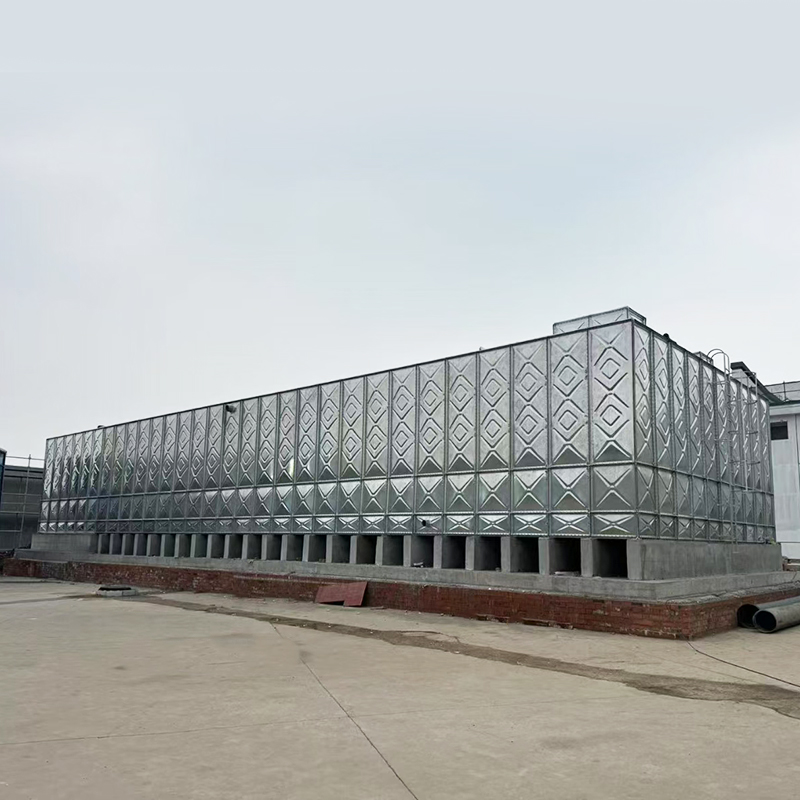
1. Structural and Material Characteristics:
Composite Material Design
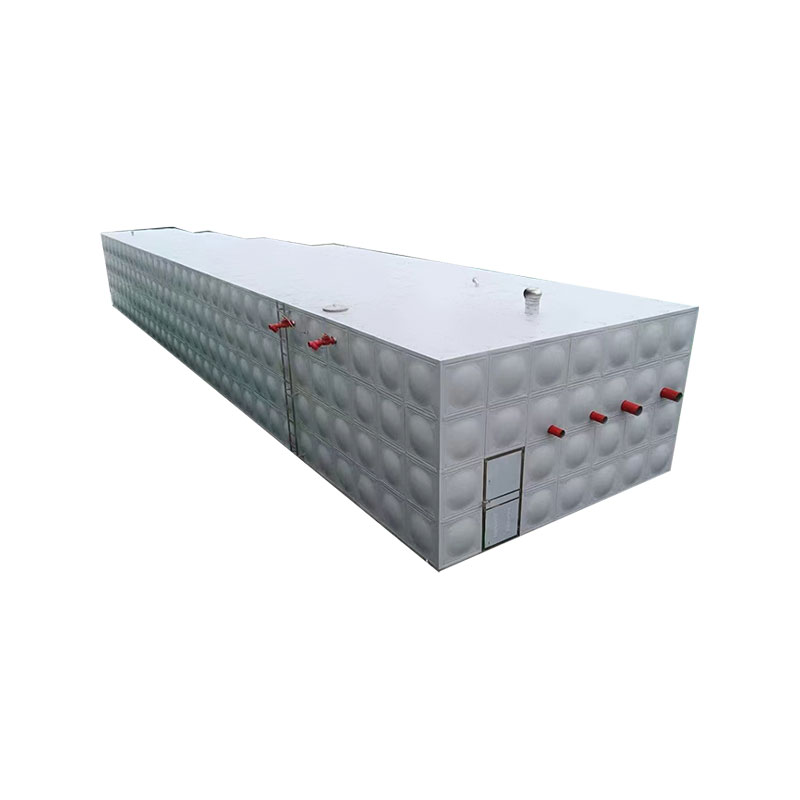
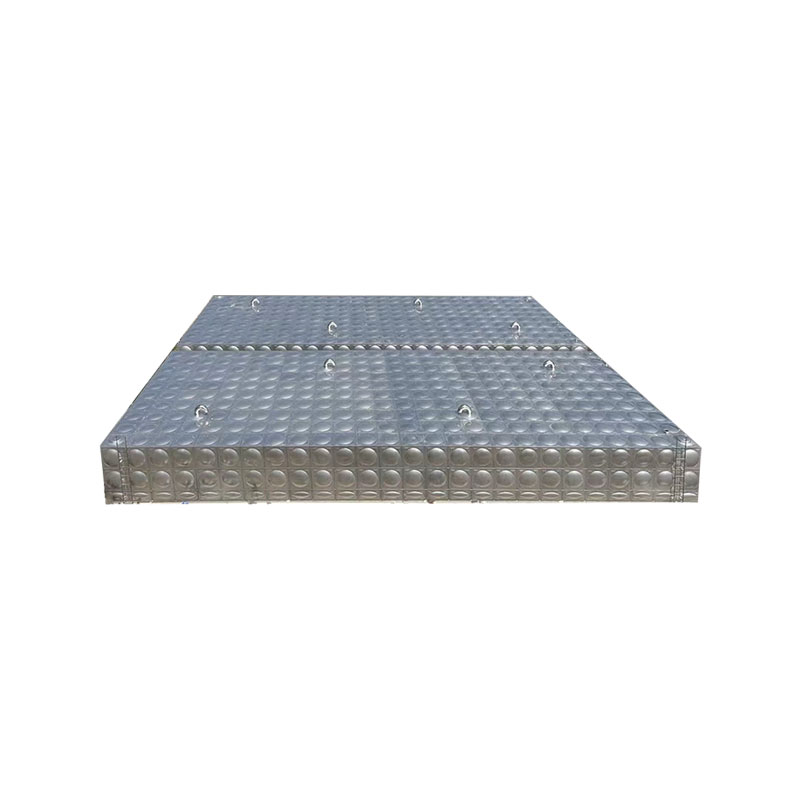
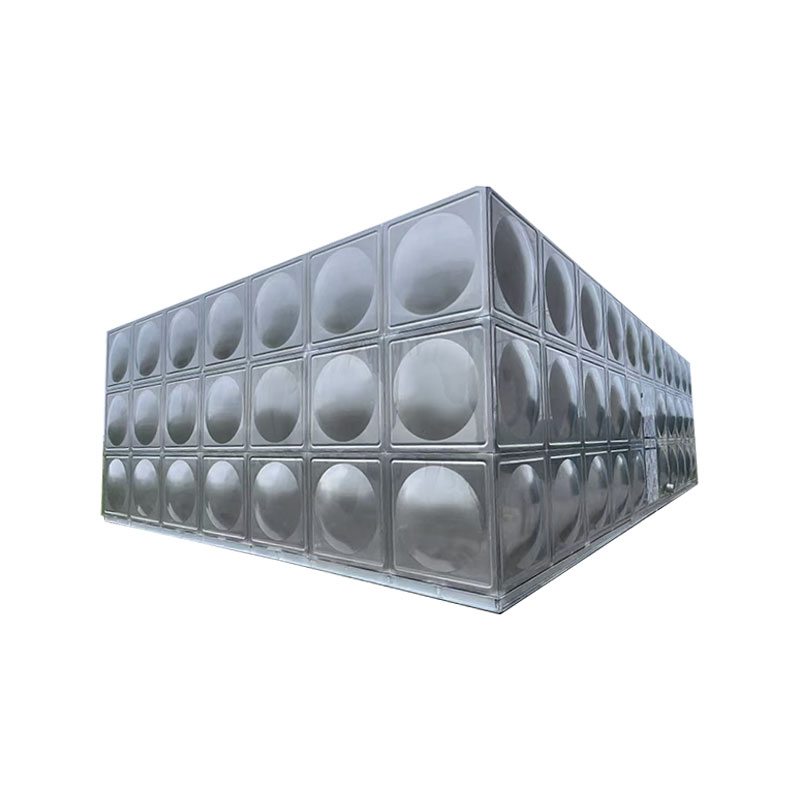
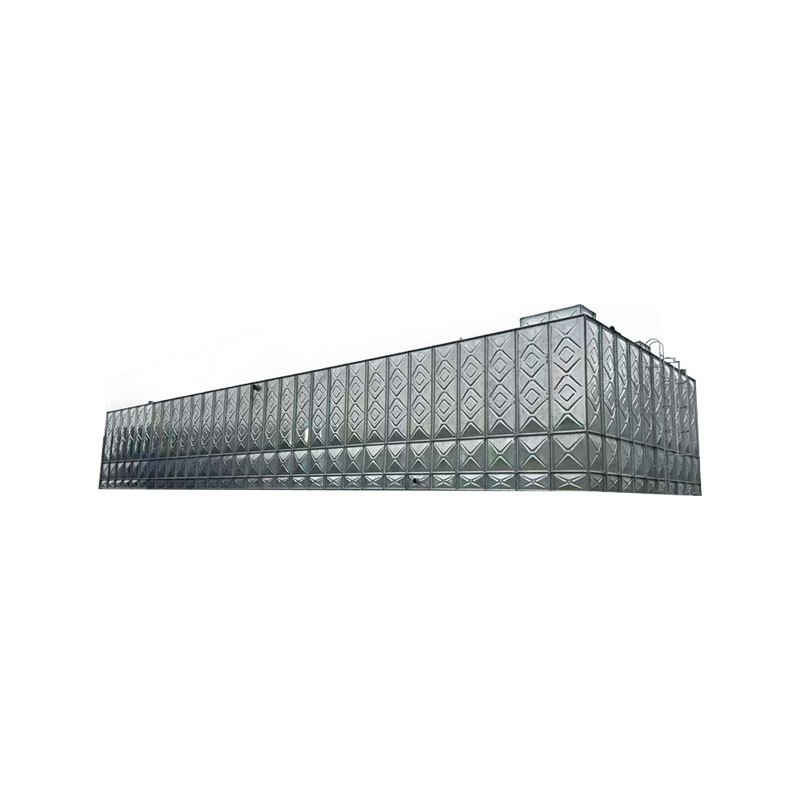
- Double-layer composite panel: The outer layer is hot-dip galvanized steel (3-5mm thick, providing structural strength), and the inner layer is SUS304/316L stainless steel (0.4-0.6mm thick, ensuring water quality). Hydraulically stamped into standard modules, such as 1.0×1.0m and 1.0×0.5m.
- Sealing Technology: Rubber gaskets or silicone sealing tape fill joint gaps to prevent leakage. The sealing material meets drinking water hygiene standards (such as food-grade EPDM).
Segmented Modular Structure
- Composed of multiple standardized panels connected by bolts, the capacity of a single module can be customized (e.g., 1-10,000 cubic meters) and supports horizontal or vertical expansion.
- The segmented design facilitates transportation and installation, making it particularly suitable for space-constrained rooftop or ground-level applications.
Bolted Connection Technology
- Hot-dip galvanized or stainless steel bolts are used for fastening, eliminating the need for welding and preventing carbonization or intergranular corrosion.
- Easy maintenance: Leaks require only partial panel replacement or bolt tightening, eliminating the need for a complete factory repair.
2. Core Advantages:
Efficient Construction and Flexibility
- On-site assembly requires only ordinary workers, eliminating the need for specialized welders, reducing construction time by over 50% compared to traditional welded water tanks.
- Segmented modules support phased construction and adapt to dynamic capacity expansion needs (such as temporary construction water).
Corrosion Resistance and Long Life
- The inner stainless steel layer of the composite panel is unwelded, resulting in an intact protective film that resists scale and oxidation. The outer galvanized steel sheet is rust-resistant and highly adaptable.
- The sealing material is UV-resistant and has a lifespan of 20-50 years.
Economical and Environmentally Friendly
- High material utilization, reducing costs by 30%-40% compared to stainless steel welded water tanks.
- Disassembled and reusable, with a metal recycling rate exceeding 90% after scrapping, meeting green building standards.
Adaptable to complex environments
- Excellent seismic resistance (structural strength enhanced through mechanical compression molding), suitable for earthquake-prone areas.
- Extreme temperature resistance (-80°C to high temperatures), with a sealing tape rated for 50 years of weather resistance.
3. Typical Application Scenarios:
Firefighting and Emergency Water Supply
- Above-ground fire water tanks (with stainless steel lining and reinforcement) meeting high-rise building fire safety regulations.
- Post-disaster temporary water supply systems, supporting rapid deployment and relocation.
Residential and commercial buildings
- Community drinking water storage (stainless steel lining with food-grade sealing).
- Circulating water tanks for hotels and hospitals, with UV disinfection ports.
4. Technical Parameters and Selection Recommendations:
Parameter Typical Range
Single Module Dimensions: 1 x 1m, 1 x 0.5m, 0.5 x 0.5m
Panel Thickness: 3-5mm (Galvanized + Stainless Steel)
Sealing Material: Food-Grade EPDM or Silicone
Applicable Pressure: Normal to 0.6MPa
5. Maintenance and Precautions:
Regular Inspection: Clean algae from the interior walls quarterly. Inspect bolt tightness and seal aging annually.
Anti-Corrosion Treatment: Damaged galvanized areas should be promptly reapplied with epoxy coal tar paint.
Extreme Environments: For areas with high humidity or salt spray, all-stainless steel composite panels are recommended.
6. Comparison with Traditional Sectional Water Tanks:
| Specifications | Composite Assembly Bolted Type Sectional Water Tank | Welded Stainless Steel Sectional Water Tank | Concrete Tank |
| Installation Cycle | 3-7 Days (Large Capacity) | 7-15 Days | 15-30 Days |
| Corrosion Resistance | Internal and External Corrosion Protection | Internal and External Corrosion Protection | Prone to Leakage, Complex Maintenance |
| Cost | Medium | High | Low (Initial), High (Long-Term) |
| Environmental | Recyclable Plates | Recyclable | Non-Recyclable |
| Applicable Scenarios | Underground, Seismic, Low to Medium Corrosion Environments | Surface, High Corrosion Environments | No Special Requirements |
Composite assembly bolted type sectional water tanks have become the mainstream choice to replace traditional pools and welded water tanks due to their modular design, high cost-effectiveness and environmental adaptability. They are especially widely used in fire protection, industrial liquid storage and green building fields.

 Tel: +86 0515-86302568
  E-mail:
  Add: No. 11, Xingwang Road, Jianyang Town, Jianhu County, Jiangsu Province, China