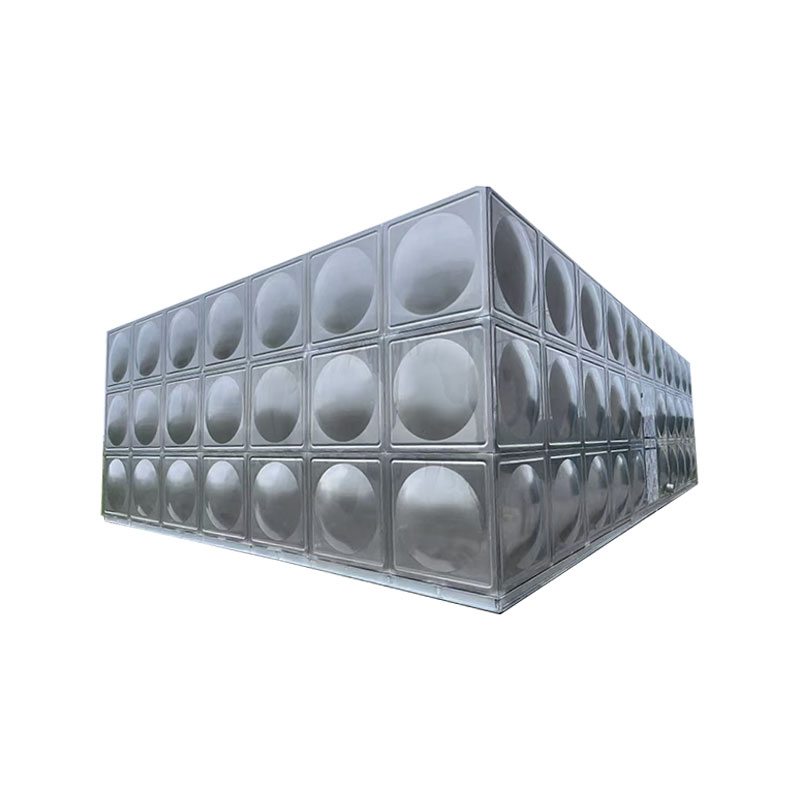
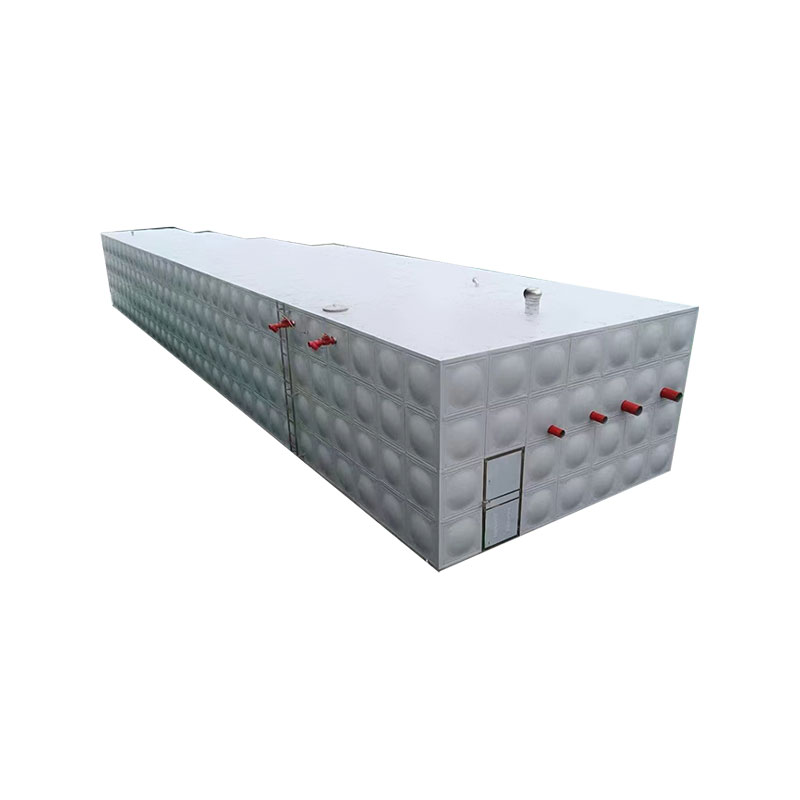
Water is one of the most essential resources for both everyday living and industrial processes. Ensuring that this resource is stored in a clean and safe manner is crucial for health, hygiene, and the overall quality of life. Stainless steel water tanks have become a popular solution for water storage, offering a range of benefits that make them ideal for both residential and commercial use. Known for their durability, resistance to corrosion, and non-reactive properties, stainless steel water tanks play a vital role in preserving water quality and ensuring it remains safe for consumption.
Corrosion Resistance: A Key to Clean Water Storage
One of the most significant advantages of stainless steel water tanks is their ability to resist corrosion. Unlike traditional water storage tanks made from materials like concrete or plastic, stainless steel is naturally resistant to rust and deterioration. This is particularly important in ensuring that the stored water remains free from contamination.
Rust-Free Design: In other materials, such as iron or steel, rust can form over time when exposed to moisture. This rust can then contaminate the water, leading to poor water quality and potentially harmful health effects. Stainless steel, however, is resistant to this issue because of its unique composition, including chromium, which forms a protective layer on the surface, preventing corrosion.
Long-Term Durability: The resistance to corrosion makes stainless steel water tanks highly durable, even in challenging environments with high humidity or extreme weather conditions. This ensures that water stored in these tanks remains free from harmful particles and impurities, which can otherwise affect its cleanliness and safety.
Non-Reactive and Non-Toxic Material
Stainless steel is known for being a non-reactive material, meaning it does not leach harmful chemicals or substances into the water. This is an essential quality for water storage, especially in tanks used for drinking or food processing.
Preserving Water Quality: Many other materials, especially plastics, can leach chemicals like BPA (bisphenol A) or phthalates into the water over time, particularly when exposed to heat or sunlight. These chemicals can affect the taste, smell, and overall safety of the water. Stainless steel, on the other hand, maintains the purity of the water by not interacting with it or releasing any harmful substances.
Ideal for Potable Water: Stainless steel tanks are widely used for potable (drinking) water storage because they do not affect the water’s taste or quality. This makes them a preferred choice in both domestic and commercial settings where water hygiene is paramount.
Bacterial Growth Resistance
Water tanks, especially those exposed to heat and sunlight, can become breeding grounds for bacteria, algae, and other microorganisms. These contaminants can compromise water quality and pose serious health risks. Stainless steel tanks offer significant protection against the growth of bacteria and other harmful organisms.
Smooth Surface: The smooth, non-porous surface of stainless steel prevents microorganisms from adhering to the tank’s surface. This makes it much more difficult for bacteria and algae to grow and proliferate inside the tank compared to other materials, such as concrete or plastic, which may have rougher, more porous surfaces.
Easy to Clean and Maintain: Stainless steel tanks are easier to clean and sanitize than many other materials. Their smooth surfaces allow for the removal of dirt, algae, and debris without the buildup of biofilms (a slimy layer of bacteria), ensuring that the tank stays hygienic. Regular cleaning of the tank further enhances its ability to maintain safe and clean water storage.
UV and Heat Resistance
Another benefit of stainless steel water tanks is their ability to resist UV radiation and extreme temperatures. For water storage systems exposed to sunlight, this is a critical factor in preventing the deterioration of the tank’s materials and maintaining water cleanliness.
UV Protection: Unlike plastic tanks, which can degrade and become brittle under prolonged exposure to UV rays, stainless steel tanks are completely UV-resistant. This prevents the tank from breaking down or releasing harmful chemicals over time, ensuring that the water stored inside remains uncontaminated.
Thermal Insulation: Stainless steel also provides natural thermal resistance. While it may heat up under direct sunlight, it is less prone to the temperature fluctuations that can affect plastic or concrete tanks. This temperature stability helps reduce the growth of bacteria, which often thrive in warm, stagnant water.
Prevention of Water Contamination
Water contamination can occur in many ways—through the tank’s material, external contaminants, or improper handling. Stainless steel water tanks help prevent many common forms of contamination, maintaining the quality of the water inside.
Tight Seals: Stainless steel tanks are built with tight seals and welded seams, which minimize the risk of external contaminants entering the tank. These tanks are designed to be fully sealed, preventing dirt, dust, or insects from making their way inside. This is especially important in environments where hygiene is a concern, such as in food processing facilities or medical settings.
Pest and Insect Prevention: Tanks made from plastic or other porous materials are more likely to attract pests like rodents and insects that can introduce contaminants. Stainless steel, being a smooth, solid surface, does not attract pests, ensuring that the water inside remains uncontaminated by external elements.
Energy Efficiency for Water Storage Systems
Stainless steel water tanks are energy-efficient, especially in larger systems like industrial or commercial setups where water is stored for long periods. Because of their durability and resistance to extreme weather, stainless steel tanks help maintain the temperature of the water, reducing the need for energy-intensive climate control.
Maintaining Temperature: In cases where temperature control is necessary (e.g., hot water storage for industrial processes or heating), stainless steel tanks can maintain the required temperature without the need for additional heating equipment, saving energy and reducing operational costs.
Cost-Effective: Although stainless steel tanks may have a higher initial cost compared to plastic or fiberglass options, their longevity and energy efficiency make them a more cost-effective choice in the long run. Their durability means they require fewer replacements, and their energy-saving properties reduce operational costs over time.
Eco-Friendly and Sustainable
In addition to providing clean and safe water storage, stainless steel water tanks are also eco-friendly. Stainless steel is 100% recyclable, and tanks made from this material have a smaller environmental footprint compared to plastic alternatives.
Recyclable Material: At the end of their lifecycle, stainless steel tanks can be fully recycled and repurposed, reducing waste and promoting sustainability. This makes stainless steel a more environmentally responsible choice for water storage, particularly in an era where reducing plastic waste is a global priority.
Sustainable Water Management: Using stainless steel tanks for water storage contributes to sustainable water management practices. Whether it's for rainwater harvesting or municipal water systems, stainless steel tanks help preserve water quality and reduce the environmental impact of water storage systems.



 Tiếng Việt
 عربى
عربى Get a quote

 Tel: +86 0515-86302568
  E-mail:
  Add: No. 11, Xingwang Road, Jianyang Town, Jianhu County, Jiangsu Province, China