Wastewater treatment plants (WWTPs) play a crucial role in safeguarding public health and the environment by treating and purifying contaminated water before it is released back into natural water systems. These plants handle a wide range of challenging conditions, from heavy foot traffic to exposure to corrosive chemicals, extreme weather conditions, and continuous operational stress. As a result, selecting the right materials for infrastructure components—such as flooring, walkways, and grating—is vital to ensure the plant’s longevity, safety, and operational efficiency.
One material that has become essential in wastewater treatment plants is FRP moulded grating. This versatile and durable material offers several advantages that make it ideal for demanding environments such as wastewater treatment facilities. From its resistance to corrosion to its safety-enhancing properties, FRP (Fiberglass Reinforced Plastic) moulded grating is becoming a key solution in modern WWTP design.
What is FRP Moulded Grating?
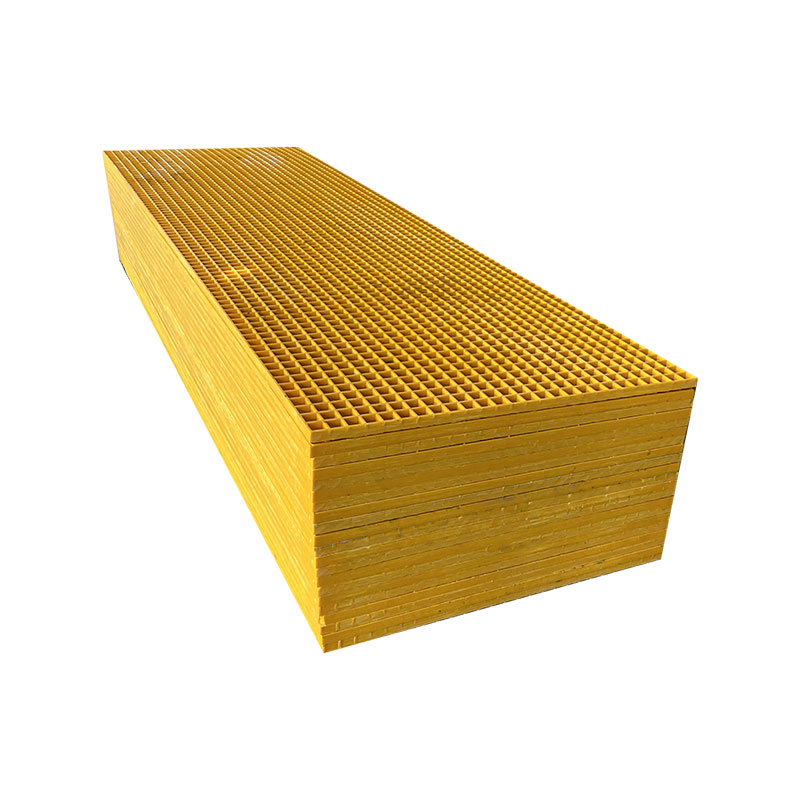
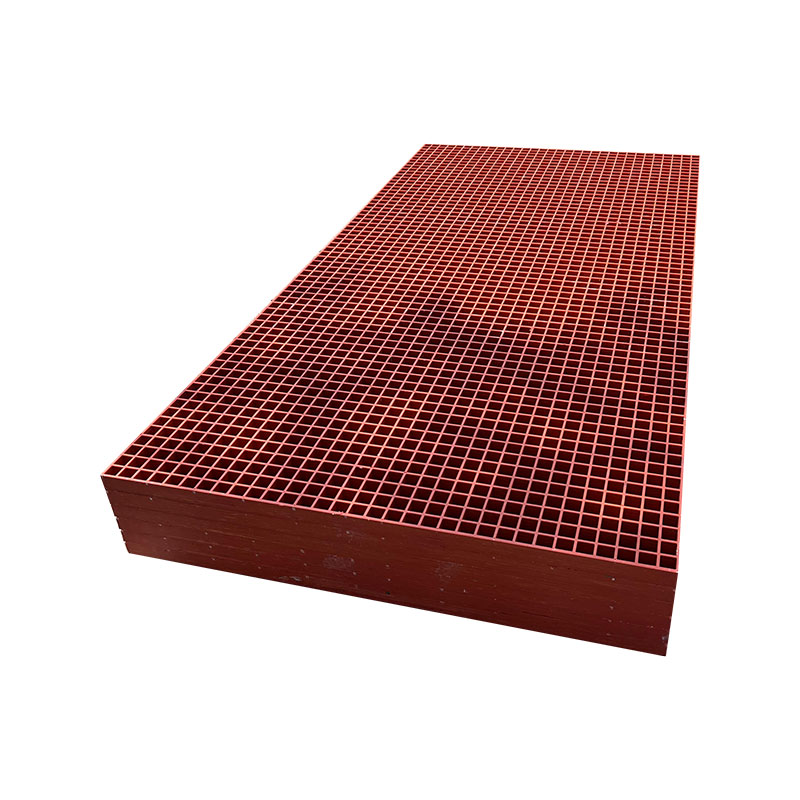
FRP moulded grating is a type of grating made from a composite material that combines glass fibers with a resin matrix. The result is a strong, lightweight, and corrosion-resistant material that can withstand harsh conditions. FRP moulded grating is produced by a moulding process where a combination of glass fibers and resin is poured into a mould and cured to form a solid structure.
Unlike traditional grating made from steel or aluminum, FRP moulded grating has distinct advantages, particularly in environments where exposure to corrosive elements is a significant concern. It is highly customizable in terms of color, size, and load-bearing capacity, making it a popular choice in a wide range of industries, including wastewater treatment.
Key Benefits of FRP Moulded Grating for Wastewater Treatment Plants
Corrosion Resistance
Wastewater treatment plants are exposed to harsh chemicals, oils, and waterborne contaminants, all of which can cause rapid corrosion of metals such as steel or aluminum. In these environments, traditional metal grating can degrade quickly, leading to costly repairs and downtime. FRP moulded grating, on the other hand, is highly resistant to corrosion caused by chemicals, salt, and moisture, making it the ideal material for wastewater facilities.
FRP is not susceptible to rust or rotting, unlike metals, and it maintains its integrity even when exposed to highly acidic or alkaline substances. This resistance to corrosion ensures that FRP moulded grating can provide long-term, low-maintenance performance, reducing the need for frequent replacements and minimizing maintenance costs in wastewater treatment plants.
Safety Enhancements
In wastewater treatment plants, safety is a top priority due to the hazardous conditions and high-risk areas such as deep pits, tanks, and drainage channels. FRP moulded grating offers improved safety compared to metal grating for several reasons:
-
Slip Resistance: FRP grating has a textured surface that provides superior slip resistance, even in wet and slippery environments. This is crucial in wastewater treatment plants where workers are constantly walking on wet surfaces and around waterlogged areas. The slip-resistant surface reduces the risk of accidents and injuries, promoting a safer working environment.
-
Non-Conductive: Unlike metal grating, FRP moulded grating is non-conductive, which significantly reduces the risk of electrical hazards in areas where electrical equipment is present. This property makes it particularly useful in areas near pumps, motors, and electrical systems within the wastewater treatment facility.
-
Lightweight Construction: The lightweight nature of FRP grating makes it easier and safer to handle during installation, reducing the risk of accidents during the setup of the grating system.
Durability and Longevity
FRP moulded grating is designed to withstand the physical and chemical demands of wastewater treatment plants. Its durability is one of its greatest advantages, as it can endure the stresses associated with constant foot traffic, the weight of heavy equipment, and exposure to aggressive chemicals. FRP grating is also highly impact-resistant, making it less likely to crack or break under pressure.
This long-lasting material ensures that wastewater treatment plants do not need to replace or repair their grating systems frequently, thus reducing long-term operational costs and contributing to overall facility efficiency. In harsh environments where downtime for repairs can be costly, the reliability of FRP moulded grating helps keep the plant operational with minimal interruptions.
Lightweight and Easy to Install
Installing heavy, traditional metal grating can be challenging, especially in large and complex wastewater treatment plants. FRP moulded grating is significantly lighter than steel or aluminum grating, making it easier to handle, transport, and install. This can reduce labor costs and speed up the installation process, minimizing disruption to plant operations.
Moreover, FRP grating can be customized to fit various design specifications, offering flexibility for the unique needs of a wastewater treatment plant. Its ease of installation and ability to be tailored to different shapes and sizes make it an efficient choice for plant managers looking to minimize downtime during setup or renovation.
Customizable for Specific Applications
One of the significant benefits of FRP moulded grating is that it can be customized for a wide range of applications. Whether the plant requires grating for walkways, platforms, stairways, or drains, FRP moulded grating can be molded into the desired shape and size.
Additionally, FRP grating can be produced in different configurations, such as light-duty or heavy-duty, depending on the load-bearing requirements of the area. Customizations can also include varying the color of the grating for visual identification, which can be particularly useful for distinguishing between different operational areas in a wastewater treatment plant.
Cost-Effective in the Long Run
While the initial cost of FRP moulded grating may be higher than some traditional materials, the long-term savings make it a cost-effective choice for wastewater treatment plants. The reduced need for maintenance, repairs, and replacements, combined with the grating's durability and extended service life, ensures that the initial investment is recouped over time.
The resistance of FRP grating to corrosion and wear also means that the plant will not experience costly downtime for repairs, which can have a significant impact on operational efficiency. As wastewater treatment facilities are critical to public health and the environment, reducing downtime and maintenance costs is essential to their effective operation.
Environmental Impact
FRP moulded grating is also an environmentally friendly choice for wastewater treatment plants. Unlike metals, which can require a significant amount of energy to produce and may contribute to pollution during their life cycle, FRP is made from composite materials that can be more easily recycled at the end of their life.
Moreover, FRP grating’s long service life reduces the frequency of replacements, minimizing waste and promoting sustainability in wastewater treatment plants. In a time when environmental responsibility is becoming a significant factor in facility management, FRP grating helps plants align with sustainability goals.



 Tiếng Việt
 عربى
عربى Get a quote

 Tel: +86 0515-86302568
  E-mail:
  Add: No. 11, Xingwang Road, Jianyang Town, Jianhu County, Jiangsu Province, China