Proper water tank maintenance is not optional — it is a fundamental requirement for safe water storage. Neglected tanks can harbor Legionella bacteria, algae, sediment buildup, and corrosion that compromise water quality and shorten tank lifespan by 30–50%. Whether you manage a sectional water tank or a stainless steel sectional water tank, a structured maintenance schedule protects both the water supply and your investment. This article gives you exactly what you need: a clear, actionable maintenance framework backed by industry data.
Why Water Tank Maintenance Cannot Be Skipped
Stored water is not inherently stable. Over time, organic matter, mineral deposits, and microbial growth accumulate inside any tank. The World Health Organization (WHO) estimates that contaminated water storage contributes to over 2 billion cases of waterborne illness annually worldwide. Even in industrial or commercial settings with treated water supply, stagnant conditions inside a poorly maintained tank can cause re-contamination at the point of storage.
Key risks of neglecting maintenance include:
- Biofilm and Legionella growth in water temperatures between 20°C and 45°C
- Sediment and rust deposits that clog pipework and reduce flow rates
- Structural degradation from unchecked corrosion or panel joint failure
- Regulatory non-compliance, which in many jurisdictions requires documented inspections at least once per year
Recommended Maintenance Schedule at a Glance
A well-structured schedule ensures no critical task is overlooked. The table below summarises the core maintenance activities, their frequency, and the reason each matters.
| Maintenance Task |
Frequency |
Purpose |
| Visual external inspection |
Monthly |
Detect leaks, corrosion, or physical damage early |
| Water quality testing (pH, turbidity, chlorine residual) |
Quarterly |
Confirm water safety parameters are within acceptable range |
| Interior inspection and cleaning |
Annually (minimum) |
Remove sediment, biofilm, and scale buildup |
| Disinfection |
Annually or after contamination event |
Eliminate microbial contamination including Legionella |
| Panel joint and sealant inspection (sectional tanks) |
Annually |
Prevent leaks at bolted connections and ensure structural integrity |
| Inlet, outlet, and overflow valve inspection |
Every 6 months |
Ensure correct operation and prevent overflow or backflow |
| Cover and vent screen check |
Every 6 months |
Block insects, debris, and light that promote algae growth |
Table 1: Recommended water tank maintenance schedule by task and frequency
How to Clean a Water Tank: Step-by-Step
Cleaning is the most impactful maintenance activity. Follow these steps systematically to achieve a thorough result without putting personnel or water quality at risk.
Step 1: Isolate and Drain the Tank
Close the inlet valve and allow the water level to drop to its minimum. Open the drain valve and fully empty the tank. For large sectional water tanks, use a submersible pump to remove the final residue. Never enter a tank until it is fully drained and the confined space entry procedure has been followed.
Step 2: Remove Sediment and Debris
Use a wet vacuum, soft brushes, or non-abrasive squeegees to remove settled sediment from the floor and lower walls. In stainless steel sectional water tanks, avoid steel wool or abrasive pads — these scratch the passive oxide layer and accelerate corrosion. Sediment depth of just 5 mm can shelter sufficient bacteria to re-contaminate a fully refilled tank within weeks.
Step 3: Wash Interior Surfaces
Scrub all internal surfaces — walls, floor, roof panels, and structural supports — using a food-grade cleaning solution approved for potable water contact. Rinse thoroughly with clean water to remove all cleaning agent residue before proceeding to disinfection.
Step 4: Disinfect with Chlorine Solution
Apply a chlorine-based disinfectant to achieve a 50 mg/L (ppm) concentration across all wetted surfaces. Allow a minimum contact time of 1 hour. Alternatively, fill the tank to the operational level with water dosed to a 1–5 mg/L free chlorine residual and hold for 6–12 hours. This approach is favoured for large sectional water tanks where surface spraying is impractical.
Step 5: Final Rinse and Refill
Drain the disinfectant solution completely. Rinse with fresh potable water until residual chlorine falls below 0.5 mg/L at the outlet (or within your local regulatory limit). Close the drain, refill the tank, and verify that the free chlorine residual in the refilled water meets your distribution requirement — typically 0.2–0.5 mg/L.
Specific Maintenance Considerations for Sectional Water Tanks
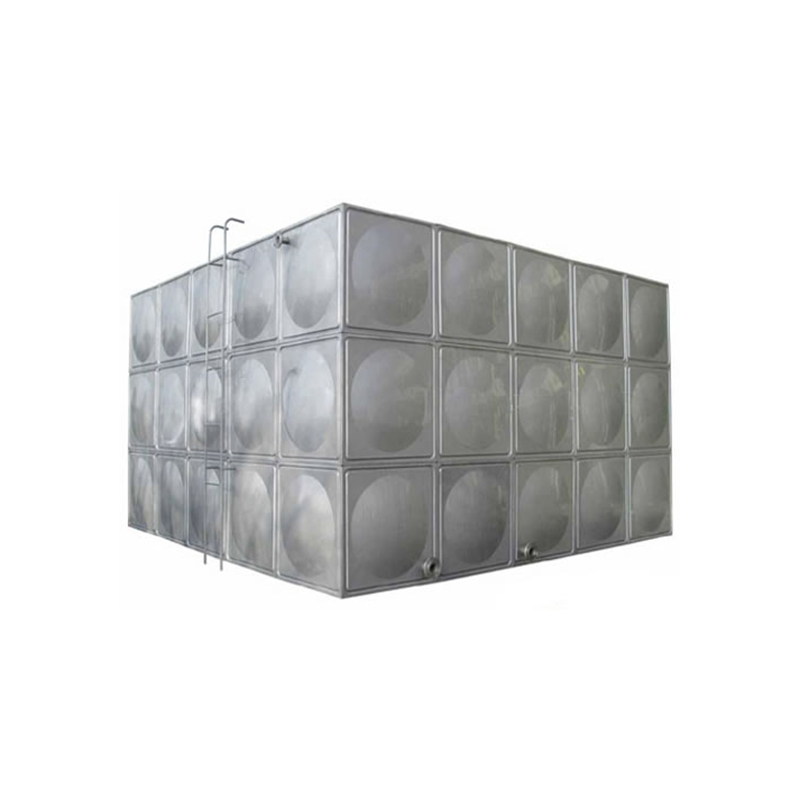
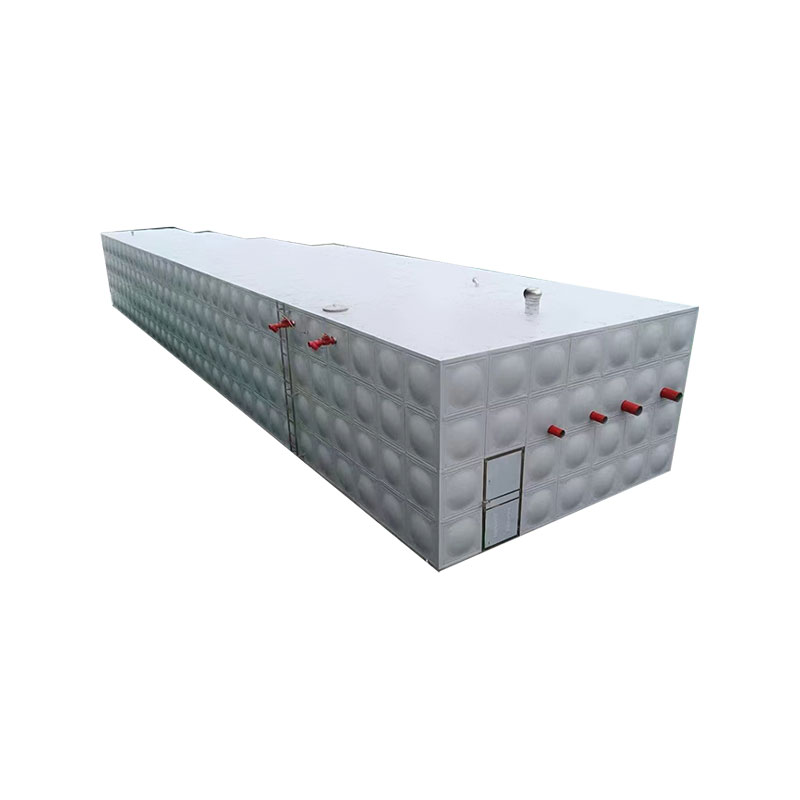
A sectional water tank is assembled from pre-formed panels bolted together on site, making it highly adaptable for rooftop installations, buildings with limited access, and large-capacity requirements. However, the bolted panel construction introduces maintenance points that monolithic tanks do not have.
Panel Joint and Gasket Inspection
Each panel-to-panel joint is sealed with a rubber or EPDM gasket. Over time, thermal cycling, UV exposure (on exposed rooftop tanks), and water chemistry cause gaskets to harden, crack, or compress permanently. Inspect all gaskets annually and replace any that show cracking, flattening exceeding 30%, or signs of water weeping. Use only food-grade, NSF/ANSI 61-certified gasket materials for potable water tanks.
Bolt Torque Verification
Bolts at panel joints can loosen due to thermal expansion and vibration. Check torque values against the manufacturer's specification annually — typical values range from 20 to 40 Nm depending on bolt size and panel material. Re-tighten any bolts that fall below specification. Do not over-tighten, as this can crush gaskets and cause leaks.
Access Panel and Internal Ladder Checks
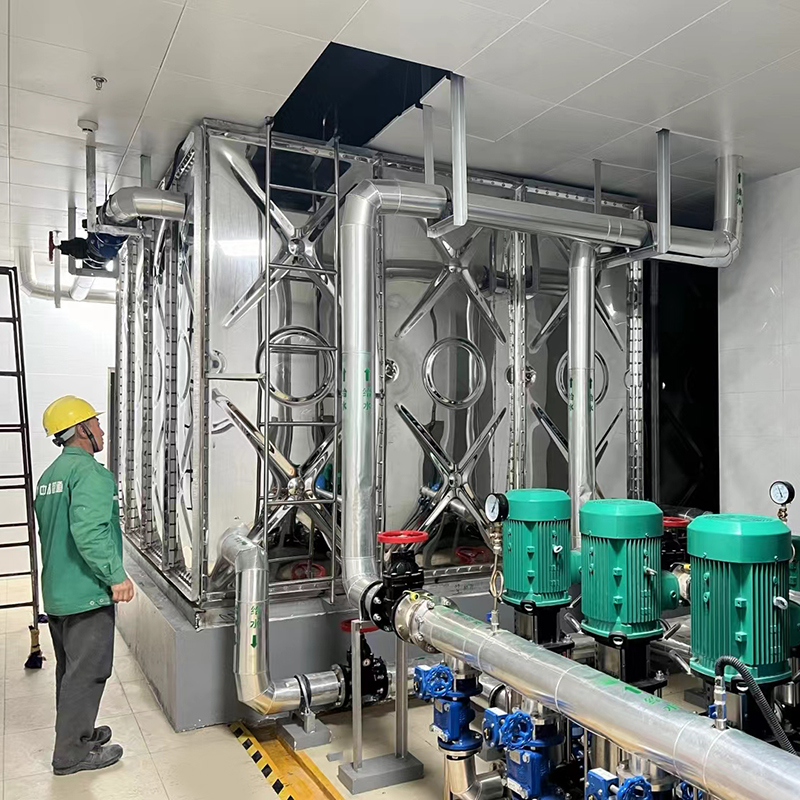
Sectional tanks typically include an access manway of 600 mm × 600 mm minimum. Inspect manway covers, hinges, and locking mechanisms during each annual service. Internal ladders or step irons must be secure — any corroded or loose fixings represent both a structural and safety risk during confined space entry.
Maintaining a Stainless Steel Sectional Water Tank
Stainless steel sectional water tanks — typically manufactured from Grade 304 or Grade 316 stainless steel — offer excellent corrosion resistance, hygienic surfaces, and long service life. A correctly maintained stainless steel sectional water tank can achieve a service life of 25–50 years, significantly outperforming GRP (fibreglass) alternatives at 15–25 years. However, stainless steel has specific vulnerabilities that maintenance must address.
Preventing Chloride-Induced Pitting Corrosion
Stainless steel is susceptible to pitting corrosion in the presence of high chloride concentrations, especially at elevated temperatures. Water with chloride levels above 200 mg/L in contact with Grade 304 stainless steel at temperatures above 60°C can initiate pitting within months. For high-chloride water environments, Grade 316 (with molybdenum addition) is the correct specification, offering notably superior resistance. During cleaning, avoid chlorine concentrations above 150 mg/L on stainless steel surfaces, and ensure thorough rinsing after disinfection to prevent chloride residue from concentrating as water evaporates.
Passivation Layer Protection
The corrosion resistance of stainless steel depends on a thin chromium oxide passivation layer. This layer can be disrupted by:
- Mechanical abrasion from steel brushes or scouring pads — always use soft nylon brushes
- Contamination from iron particles deposited by carbon steel tools or adjacent pipework
- Prolonged contact with acidic cleaning agents at pH below 4
If surface rusting is observed despite the tank being stainless steel, it is almost always the result of embedded iron contamination rather than base metal corrosion. Clean affected areas with a citric acid passivation solution (5–10% concentration), rinse thoroughly, and the passive layer will regenerate within 24–48 hours in the presence of oxygen and moisture.
Weld Inspection
In stainless steel sectional tanks, welded connections between fittings (inlet/outlet spuds, drain bosses) and the tank panels should be inspected annually for signs of sensitisation or intergranular corrosion — visible as a darkened, rough band along the heat-affected zone of a weld. This typically indicates the wrong alloy grade was used or post-weld treatment was insufficient. Affected welds should be assessed by a qualified engineer and repaired or replaced as needed.
Common Maintenance Mistakes to Avoid
Even well-intentioned maintenance programmes fail when certain errors are repeated. The following mistakes account for a significant proportion of tank failures and water quality incidents:
- Skipping cleaning because the water "looks clean": Biofilm, Legionella, and early-stage corrosion are invisible to the naked eye. Visual clarity is not a safety indicator.
- Using non-approved cleaning chemicals: Only products certified to NSF/ANSI 60 (chemicals) or equivalent national standards should contact potable water tank surfaces.
- Failing to keep maintenance records: Many regulatory frameworks — including the UK's L8 Approved Code of Practice for Legionella control — require documented evidence of all inspection and cleaning activities. Missing records can result in legal liability.
- Entering the tank without a confined space permit: Water tanks are classified confined spaces. Entry without a permit-to-work, gas test, and standby person present is a serious safety violation and potential fatality risk.
- Over-tightening gasket bolts on sectional tanks: This crushes the gasket and creates a leak path rather than preventing one. Always refer to the manufacturer's torque specification.
Comparing Tank Types: Maintenance Demand by Material
Understanding how maintenance requirements differ between common tank materials helps facility managers allocate resources efficiently and make informed purchasing decisions.
| Tank Type |
Typical Lifespan |
Corrosion Risk |
Cleaning Difficulty |
Key Maintenance Focus |
| Stainless Steel Sectional |
25–50 years |
Low (if correctly specified) |
Easy — smooth hygienic surface |
Gasket integrity, chloride control, weld inspection |
| GRP (Fibreglass) Sectional |
15–25 years |
None (but UV degradation) |
Moderate — gelcoat can harbour biofilm |
UV protection, gelcoat condition, panel delamination |
| Galvanised Steel |
10–20 years |
High (zinc layer depletes) |
Difficult — rust scale removal needed |
Rust monitoring, lining condition, drain sediment frequently |
| Polyethylene (Plastic) |
10–20 years |
None |
Easy |
UV degradation, algae growth in light-exposed areas |
Table 2: Comparative maintenance demands across common water tank materials and constructions
When to Call a Professional vs. DIY Maintenance
Not all maintenance tasks carry the same complexity or risk. The following breakdown clarifies which activities are appropriate for trained in-house personnel and which require a specialist contractor.
Tasks Suitable for In-House Teams (with adequate training)
- Monthly external visual inspections and logging
- Routine water quality testing using field test kits
- Valve operation checks and cover/vent screen cleaning
- Exterior surface cleaning and surrounding area housekeeping
Tasks Requiring a Specialist Contractor
- Confined space entry for internal inspection and cleaning — requires confined space trained operatives, gas testing, and rescue standby
- Legionella risk assessment and Legionella water sampling (required under HSE L8 and ACOP in the UK; equivalent regulations apply in other jurisdictions)
- Structural assessment of sectional tank panels and joints following impact damage or seismic events
- Weld repairs or panel replacement on stainless steel sectional water tanks
- Chemical dosing system calibration and water treatment programme management
Engaging a specialist for annual cleaning and inspection typically costs £400–£1,200 for tanks up to 50,000 litres (UK market, 2024 estimates) — a fraction of the remediation cost for a Legionella outbreak or a structural tank failure, which can run to tens of thousands of pounds and involve significant legal liability.
Record-Keeping: The Maintenance Log You Must Maintain
A maintenance log is not bureaucratic overhead — it is both a legal requirement in many regulatory frameworks and an essential diagnostic tool. A complete log entry for each maintenance activity should record:
- Date, time, and name of operative
- Activity performed (inspection, cleaning, disinfection, repair)
- Water quality results (pH, free chlorine, turbidity, temperature)
- Any defects observed and corrective actions taken or planned
- Chemicals used, including product name, concentration, and contact time
- Photographic evidence of condition before and after cleaning
Records should be retained for a minimum of 5 years and be immediately available for inspection by environmental health officers or insurance assessors. Digital maintenance management systems (CMMS) are increasingly used for large portfolios of tanks, enabling automated reminders, mobile data entry, and audit-ready reporting.



 Tiếng Việt
 عربى
عربى Get a quote

 Tel: +86 0515-86302568
  E-mail:
  Add: No. 11, Xingwang Road, Jianyang Town, Jianhu County, Jiangsu Province, China