


 Tiếng Việt
 عربى
عربى Get a quote
FANGXING
FANGXING
FANGXING
FANGXING
FANGXING
FANGXING
FANGXING
FANGXING
FANGXING
FANGXING
FANGXING
FANGXING
FANGXING
FANGXING
FANGXING
FANGXING
1. Core Features:
Material and Craftsmanship
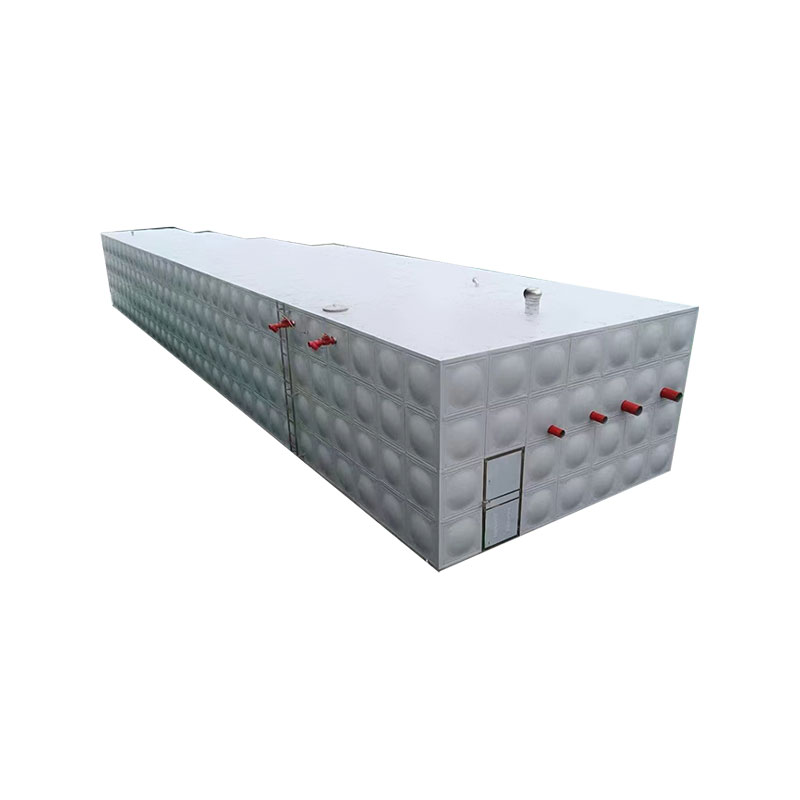
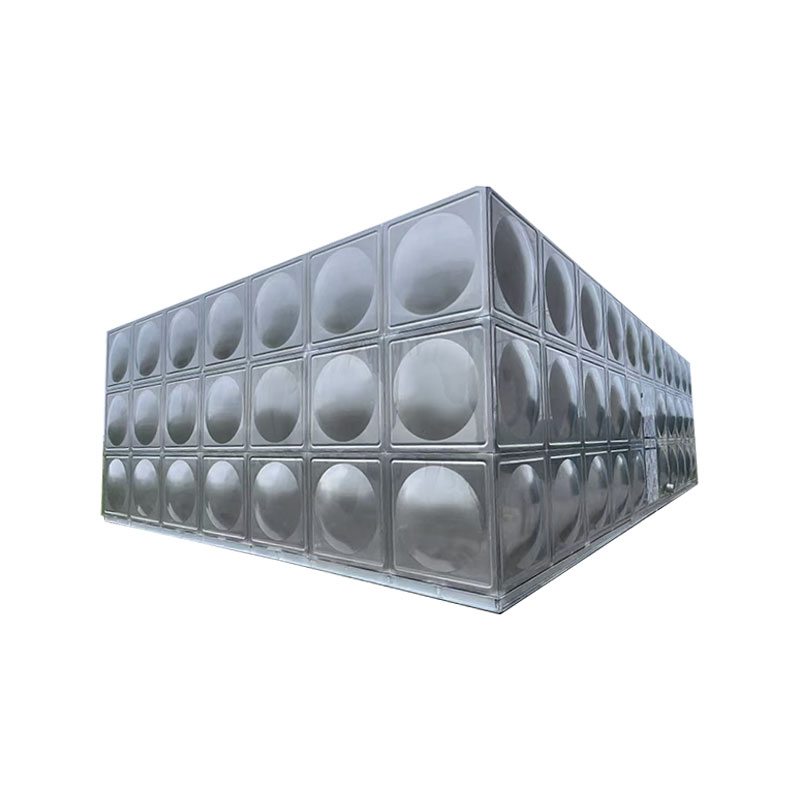
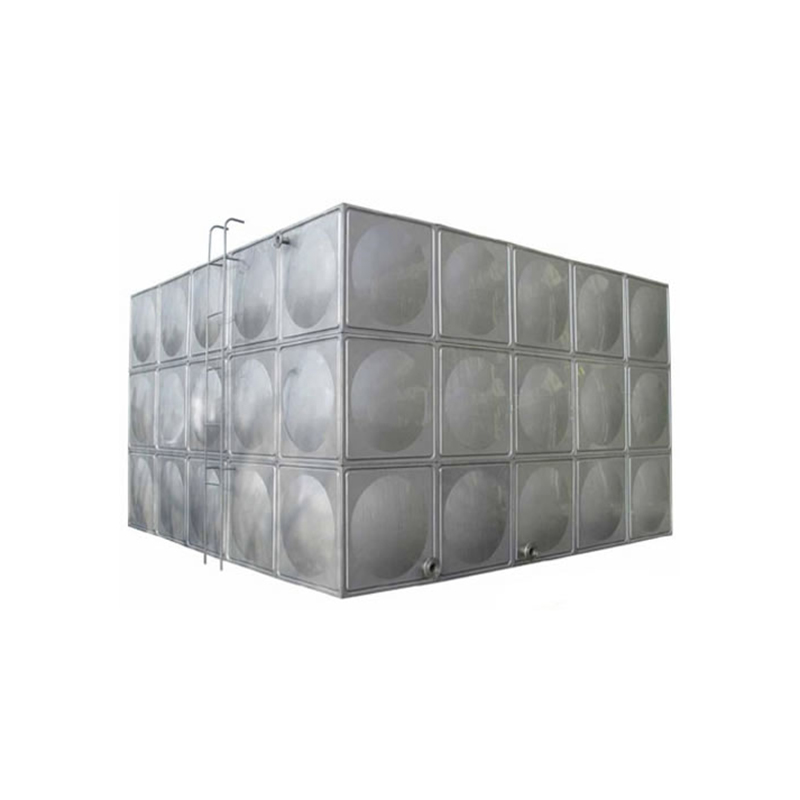
Stainless steel plates: Made of SUS304 or SUS316L, they offer a smooth, contamination-free surface that complies with the "Sanitary Standard for Drinking Water" (GB 5749).
Welding Technology: Utilizes a full argon arc welding process, with welds pickled and passivated to ensure tightness.
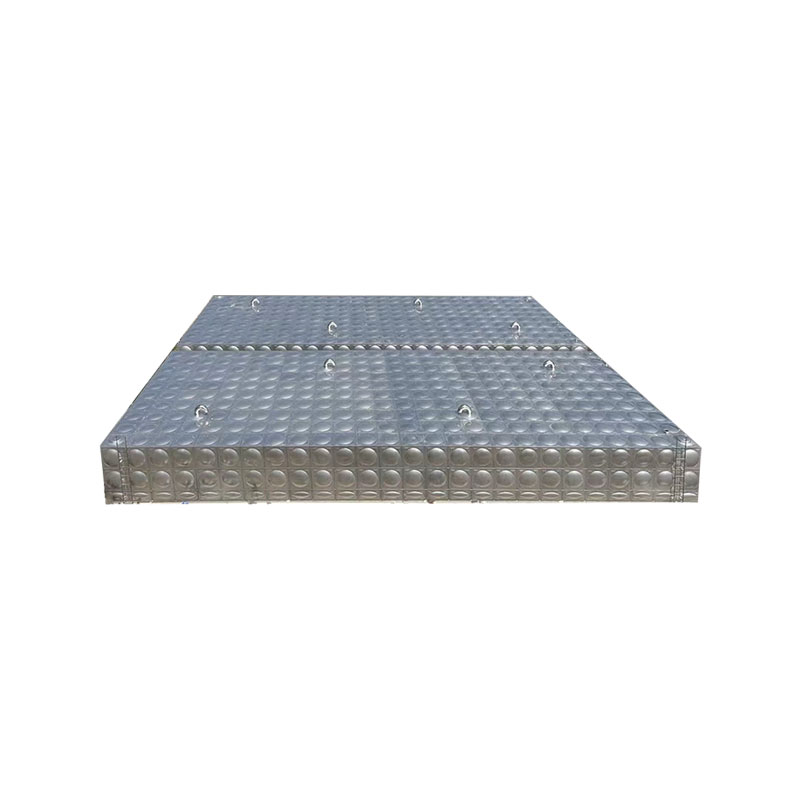
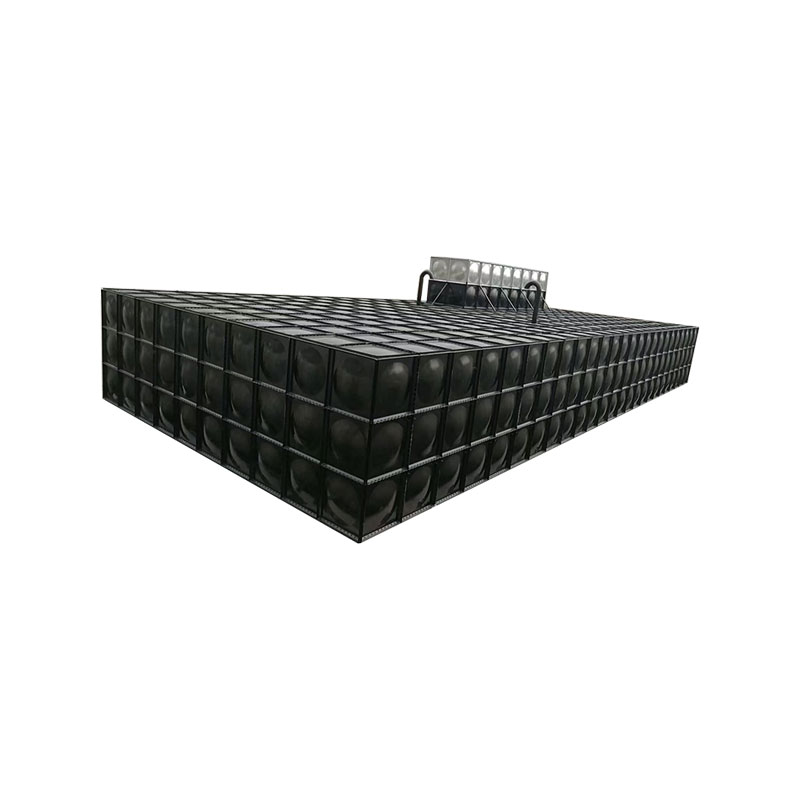
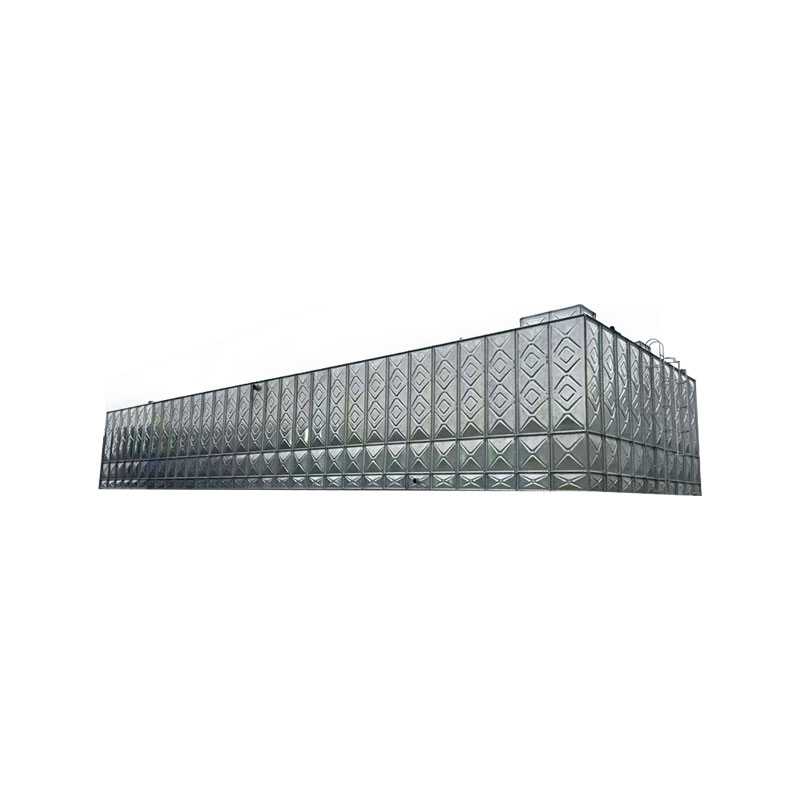
Modular Design: Standard segment sizes are 1m x 1m, 1m x 0.5m, and 0.5m x 0.5m, allowing for flexible on-site assembly to accommodate varying volume requirements.
Performance Advantages
Corrosion Resistance: SUS304 resists corrosion from standard water, while SUS316L is suitable for use in high-salt or acidic environments. Earthquake and Pressure Resistance: Internally equipped with stainless steel reinforcement, the tank withstands a pressure of 0.6-1.6 MPa, surpassing traditional water tanks in earthquake resistance.
Hygiene and Safety: The fully enclosed structure, with no dead corners, is less susceptible to algae and bacterial growth, preventing secondary water contamination.
2. Manufacturing Process:
Foundation Preparation:
The height difference of the concrete foundation surface must be controlled within 5 mm, and dimensions must be determined in accordance with national standard drawings (e.g., 12S101).
Welding and Assembly:
After folding the edges, the panels are spot welded in place, with a diagonal error of ≤2 mm to ensure the tank is square.
The bottom and side panels are welded in layers, reinforced with internal reinforcement, and the internal folded edges are fully welded.
Quality Inspection:
Fill with water and allow to stand for 2-3 hours. Use a hammer to tap within 150 mm on both sides of the weld. A leak-free seal is considered acceptable.
3. Application Scenarios:
Building Water Supply: Secondary water supply systems for high-rise residential buildings and commercial complexes, with a capacity range of 1-5000 m³.
Fire Protection System: As a fire protection reserve water tank, heat-resistant seals are required. Industrial Applications: Liquid storage tanks for the food processing and pharmaceutical industries, corrosion-resistant containers for the chemical industry.
Special Requirements: Suitable for hot water storage after adding an insulation layer (polyurethane foam), with a temperature resistance range of 4-65°C.
4. Technical Parameters:
Parameter Standard Value
Material: SUS304 (common), SUS316L (highly corrosion-resistant)
Capacity Range: 1-5000m³ (modular combination)
Wall Thickness: 1.5-3.0mm (adjustable based on volume and pressure)
Installation Space Requirements: ≥500mm maintenance access on all sides
5. Advantages:
Environmental and Hygienic: No risk of rubber seal aging, ensuring long-term stable water quality.
Economical: Lower overall cost than fiberglass and concrete tanks, with low maintenance costs.
Flexibility: Customizable special-shaped structures are supported, adapting to complex installation environments.
6. Maintenance and Precautions:
Regular Cleaning: Clean at least twice a year with a neutral detergent and avoid scratches from hard objects. Water Quality Monitoring: Do not store acidic (such as hydrochloric acid) or alkaline liquids. If the chloride ion content is too high, select 316L material.
Structural Protection: Do not place heavy objects on top of the water tank to prevent pipe vibration from directly affecting the water tank interface.

 Tel: +86 0515-86302568
  E-mail:
  Add: No. 11, Xingwang Road, Jianyang Town, Jianhu County, Jiangsu Province, China