As global water scarcity and pollution issues continue to escalate, efficient water treatment systems have become more crucial than ever. Among the many technological advancements in water treatment, FRP water treatment equipment is emerging as a game-changer. Known for its durability, cost-effectiveness, and environmental friendliness, FRP is revolutionizing wastewater management practices in a variety of industries.
What is FRP Water Treatment Equipment?
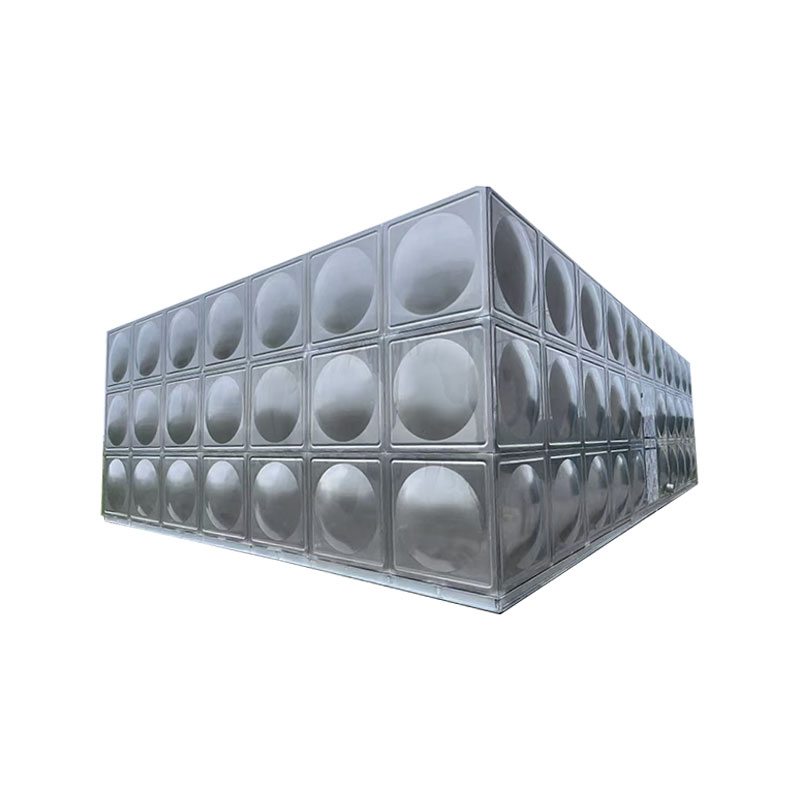
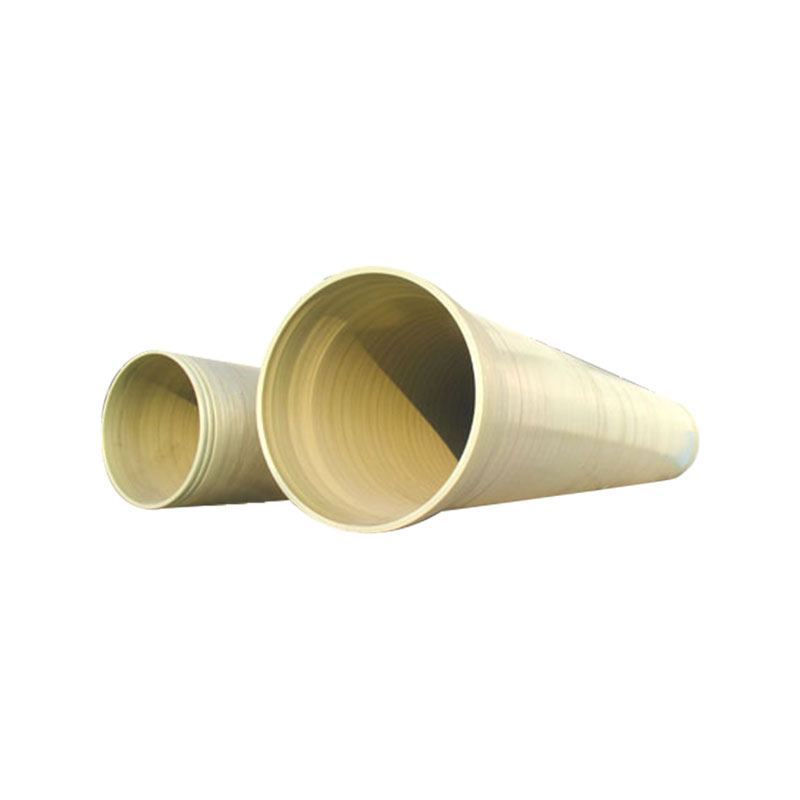
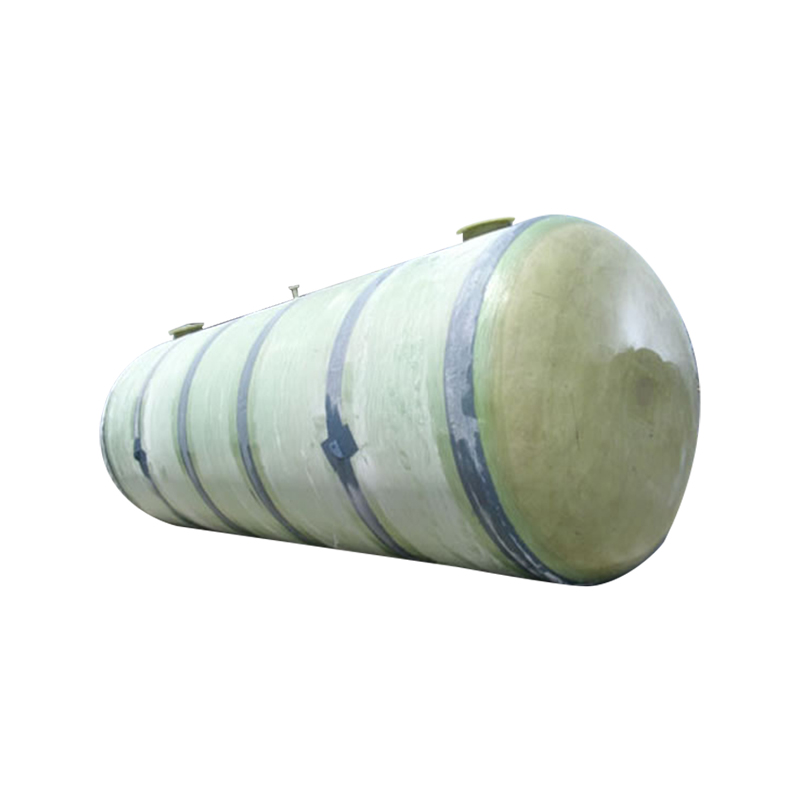
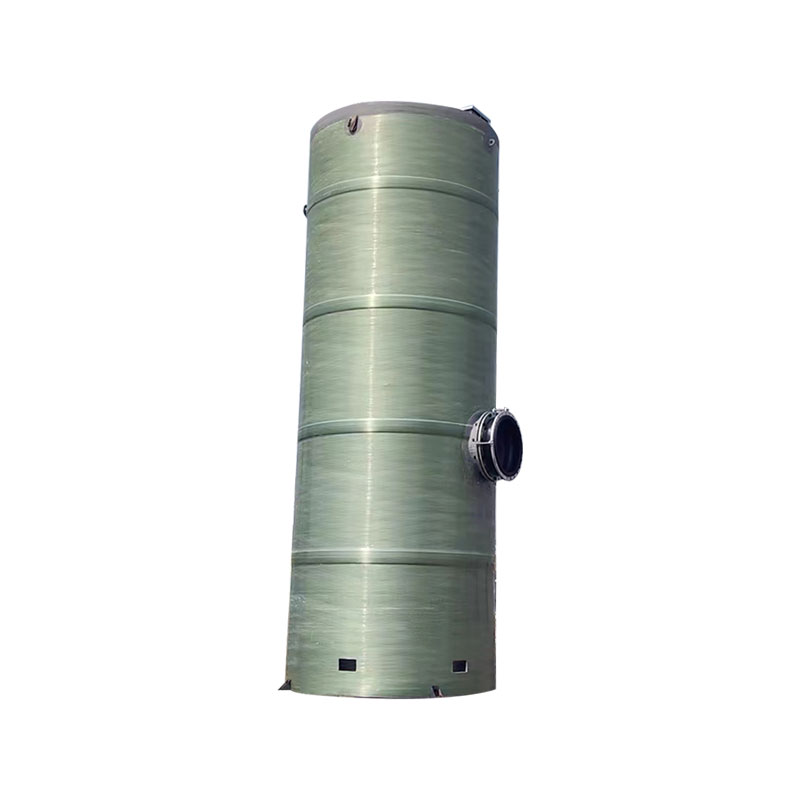
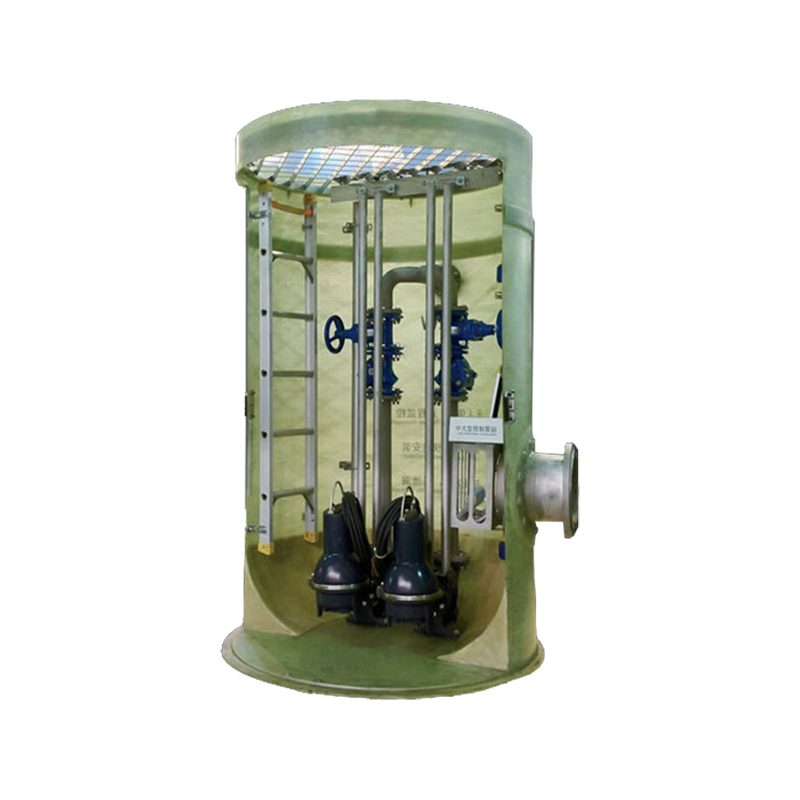
FRP is a composite material made by combining a plastic resin with fiberglass fibers. This combination creates a highly durable and lightweight material that is resistant to corrosion, weathering, and chemicals, making it ideal for use in water treatment applications. FRP water treatment equipment includes a range of systems such as tanks, pipes, filtration units, and vessels, all designed to manage and treat water, especially wastewater, efficiently.
Unlike traditional materials such as metal or concrete, FRP offers superior performance in the harsh, corrosive environments typical in wastewater management. Whether it’s for industrial, municipal, or residential water treatment, FRP water treatment equipment provides a long-lasting and low-maintenance solution that enhances both efficiency and sustainability.
Corrosion Resistance for Longer Lifespan
One of the most significant advantages of FRP water treatment equipment is its exceptional resistance to corrosion. In wastewater treatment facilities, equipment is often exposed to aggressive chemicals, acids, and salts, all of which can cause rapid degradation of materials like steel or concrete. FRP, on the other hand, is highly resistant to chemical reactions and environmental wear and tear. This corrosion resistance dramatically extends the lifespan of water treatment equipment, reducing the need for frequent replacements and repairs.
For industries such as petrochemicals, pharmaceuticals, and food processing, where wastewater may contain harsh chemicals or other corrosive substances, FRP tanks and vessels ensure the longevity of the system and the safe containment of wastewater. This corrosion resistance also contributes to lower maintenance costs and improved operational efficiency over time.
Lightweight and Easy to Install
Another key benefit of FRP water treatment equipment is its lightweight nature. Traditional materials like concrete and steel can be heavy and cumbersome to transport and install. In contrast, b is much lighter, which simplifies transportation and installation processes, especially in remote or hard-to-reach areas.
The reduced weight also means that FRP equipment can be installed with less labor and fewer mechanical aids, thus lowering installation costs and time. Whether it’s in a municipal water treatment plant or an industrial facility, FRP tanks, pipes, and filtration systems are easier to handle, making them an ideal choice for companies looking to optimize their operations.
Durability and Low Maintenance
Durability is another major selling point of FRP water treatment equipment. Unlike other materials that are prone to cracking, rusting, or degrading over time, FRP maintains its integrity and performance even in challenging conditions. FRP is designed to withstand the rigors of heavy-duty wastewater treatment without losing its structural integrity. This makes it particularly beneficial for systems that require continuous, long-term use.
Additionally, FRP equipment requires minimal maintenance compared to traditional materials. The non-corrosive nature of FRP reduces the frequency of repairs, and the smooth, non-porous surface of FRP tanks and pipes prevents the buildup of bacteria, sludge, or other waste materials that can complicate maintenance in other systems.
This durability and low maintenance result in significant cost savings over the life cycle of the equipment, making FRP water treatment systems a highly cost-effective choice for businesses and municipalities.
Customization and Flexibility
FRP water treatment equipment can be easily customized to meet the specific needs of different wastewater treatment processes. FRP tanks and vessels can be designed in various shapes and sizes to accommodate different flow rates, treatment capacities, and space constraints. This customization allows engineers to design systems that are perfectly suited to the unique requirements of a treatment facility, whether it’s for treating municipal sewage, industrial effluent, or agricultural runoff.
The flexibility of FRP also extends to the type of resin used, allowing for adjustments to chemical resistance properties, temperature tolerance, and other factors based on the specific challenges posed by the wastewater being treated. This level of customization ensures that FRP water treatment equipment can handle a wide variety of applications and meet the exact specifications of the treatment process.
Environmental Sustainability
Sustainability is a major consideration in modern wastewater management, and FRP water treatment equipment offers several environmental benefits. First, FRP itself is a highly sustainable material. It’s recyclable, which reduces the environmental impact of disposal, and because FRP systems are durable and have a long service life, fewer resources are needed to replace equipment over time.
Moreover, FRP water treatment systems can help reduce energy consumption. These systems are often designed to be more efficient, minimizing the energy required for pumping, filtration, and treatment processes. In industries where wastewater management accounts for a significant portion of energy costs, FRP can offer significant savings while also reducing the environmental footprint of the operation.
Additionally, the long-lasting nature of FRP water treatment equipment means that fewer materials need to be disposed of, contributing to waste reduction. With increasing global pressure to adopt more sustainable practices, FRP water treatment equipment presents a forward-thinking solution for industries seeking to align with environmental and regulatory goals.
Cost-Effectiveness in the Long Term
While the initial cost of FRP water treatment equipment may be slightly higher than that of conventional materials like concrete or steel, the long-term cost benefits far outweigh the initial investment. Due to its durability, resistance to corrosion, and low maintenance requirements, FRP equipment results in reduced operational and maintenance costs over its lifespan.
Additionally, because FRP water treatment systems are often more energy-efficient than other materials, they can lower energy costs associated with wastewater treatment. These savings, combined with the lower frequency of repairs and replacements, make FRP water treatment equipment a cost-effective choice for industries and municipalities in the long run.
Superior Performance in Harsh Conditions
Wastewater treatment systems often need to operate in extreme environmental conditions—high temperatures, fluctuating pH levels, and exposure to aggressive chemicals. FRP water treatment equipment excels in such environments. Its ability to resist high temperatures, chemical corrosion, and UV degradation makes it an ideal material for treating wastewater in industries such as mining, oil and gas, and chemical processing.
The superior performance of FRP in harsh conditions also means that these systems can be used for a variety of specialized treatment processes, such as desalination or acid waste treatment, where conventional materials may fail.



 Tiếng Việt
 عربى
عربى Get a quote

 Tel: +86 0515-86302568
  E-mail:
  Add: No. 11, Xingwang Road, Jianyang Town, Jianhu County, Jiangsu Province, China