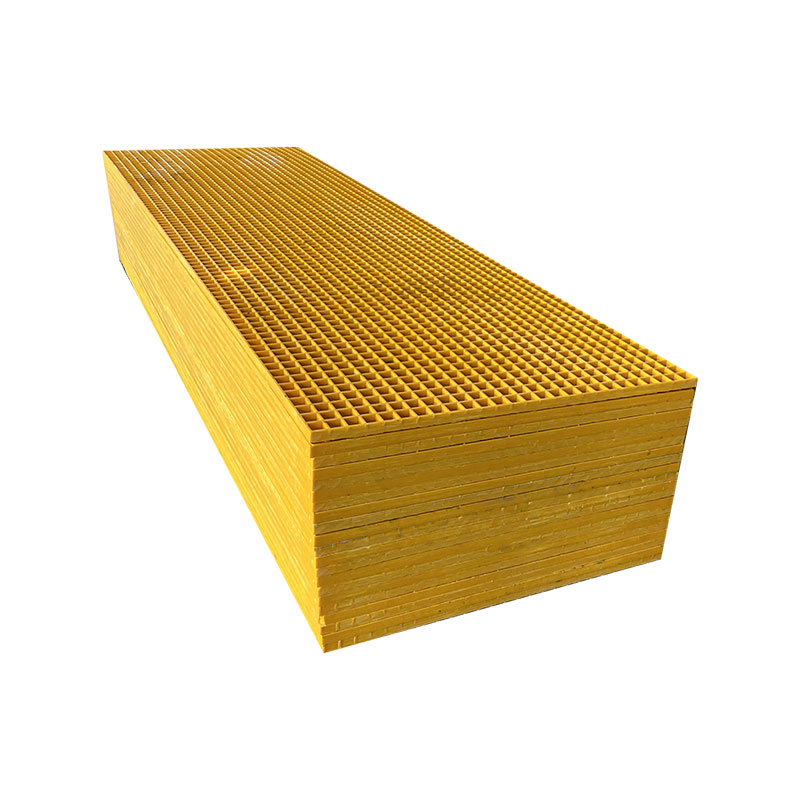
In recent years, FRP moulded gratings have emerged as a game-changer in the marine engineering sector. Known for their durability, lightweight construction, and resistance to corrosion, these fiberglass-based grates are increasingly being adopted across docks, offshore platforms, ship decks, and other marine structures. As a leading manufacturer and supplier of FRP grating, FRP moulded grating, and fiberglass grates, we have observed a significant shift in industry preference from traditional steel or aluminum grating toward our advanced composite solutions.
The Challenges of Marine Environments
Marine engineering projects face unique challenges that make material selection critical. Constant exposure to saltwater, extreme weather, UV radiation, and mechanical wear can quickly degrade conventional materials. Steel, while strong, is prone to rust, requiring frequent maintenance and coatings. Aluminum is lightweight and corrosion-resistant but can be expensive and less durable under heavy loads or impact stress.
This is where FRP moulded gratings shine. Made from high-strength fiberglass reinforced polymers, these gratings offer a combination of features that are uniquely suited for marine applications:
- Corrosion resistance: Unlike metal grates, FRP moulded gratings are immune to rust, saltwater corrosion, and chemical degradation.
- Lightweight yet strong: FRP materials provide excellent strength-to-weight ratios, making handling and installation easier, especially in offshore and elevated applications.
- Low maintenance: With no need for frequent painting, coating, or anti-corrosion treatments, FRP moulded gratings significantly reduce long-term maintenance costs.
- Slip resistance: Many FRP grates come with anti-slip surfaces, improving safety in wet marine environments.
- Customizable: FRP moulded gratings can be manufactured in various sizes, shapes, and colors to suit specific engineering designs.
Applications in Marine Engineering
The versatility of FRP moulded gratings makes them suitable for a wide range of marine applications:
- Ship Decks and Walkways: Traditional metal decks can corrode and become slippery over time. FRP moulded gratings provide a safer and lighter alternative. They are often used for non-skid walkways, stair treads, and access platforms on ships and boats, reducing the risk of accidents and extending service life.
- Offshore Oil and Gas Platforms: Offshore platforms face extreme conditions, from heavy loads to exposure to salt spray and chemicals. FRP moulded gratings are resistant to these harsh environments, offering structural stability and reducing the frequency of costly repairs.
- Harbor and Dock Infrastructure: In ports and harbors, docks, piers, and gangways require materials that can withstand constant exposure to seawater and heavy foot traffic. FRP moulded gratings are lightweight yet strong enough to support pedestrians and equipment, providing a long-term solution without the corrosion issues of steel.
- Water Treatment and Desalination Plants: Facilities near the coast often deal with brackish or saltwater that accelerates corrosion. FRP moulded gratings are widely used in walkways, platforms, and drainage areas, helping operators maintain safe and durable infrastructure.
Advantages over Traditional Materials
While steel and aluminum have been used for decades in marine applications, FRP moulded gratings are redefining industry standards. The advantages are not just technical but also economic:
- Longer service life: FRP moulded gratings can last up to 25 years in harsh marine conditions without significant wear, compared to 5–10 years for untreated steel.
- Reduced maintenance costs: Eliminating corrosion and repainting cycles reduces both labor and material expenses.
- Lightweight installation: Less weight reduces the strain on supporting structures and speeds up installation, particularly important in offshore operations where every kilogram counts.
- Custom engineering solutions: FRP moulded gratings can be tailored to specific load requirements, sizes, and even fire-retardant specifications, providing flexibility that metals cannot match.
Market Trends and Growth
The adoption of FRP moulded gratings in marine engineering is growing globally. Market research indicates that demand for composite gratings is expected to rise significantly over the next decade, driven by:
- Infrastructure upgrades: Aging marine structures are increasingly being retrofitted with corrosion-resistant materials.
- Environmental regulations: FRP gratings are eco-friendly, recyclable, and do not leach harmful metals into marine ecosystems.
- Cost-efficiency: Operators are recognizing the long-term cost savings of switching from traditional metals to FRP materials.
- Technological improvements: Advances in molding techniques, resin chemistry, and UV stabilization have made FRP moulded gratings stronger, lighter, and more versatile than ever.
Case Studies: Real-World Impact
- Offshore Wind Farm Platforms: An offshore wind farm in Europe replaced its steel walkways with FRP moulded gratings. The result: installation time reduced by 40%, maintenance frequency dropped to near zero, and worker safety improved due to enhanced slip resistance.
- Shipbuilding Industry: A leading shipyard in Asia adopted FRP moulded gratings for crew decks and staircases. Beyond corrosion resistance, the lighter weight of the gratings contributed to overall fuel efficiency, showcasing how FRP materials can even impact operational costs.
- Port and Harbor Upgrades: Several Mediterranean ports have installed FRP gratings on piers and docking platforms. The material has performed exceptionally under high foot traffic and saltwater exposure, demonstrating durability and low maintenance over multiple years.
Innovations in FRP Moulded Grating Technology
The evolution of FRP moulded gratings continues with exciting technological innovations:
- Fire-retardant gratings: Special resin formulations enhance fire resistance without compromising strength.
- High-load capacity designs: New structural patterns allow FRP gratings to carry heavier equipment loads while remaining lightweight.
- UV-stabilized surfaces: Extended UV protection prevents color fading and structural degradation in sunny coastal areas.
- Eco-friendly materials: Recyclable resins and fibers are now being used to reduce environmental impact while maintaining performance.
These advancements make FRP moulded gratings a forward-looking choice for marine engineers seeking reliable, sustainable, and cost-effective solutions.



 Tiếng Việt
 عربى
عربى Get a quote

 Tel: +86 0515-86302568
  E-mail:
  Add: No. 11, Xingwang Road, Jianyang Town, Jianhu County, Jiangsu Province, China