In industrial fluid systems, energy efficiency is a critical factor in ensuring cost-effective and sustainable operations. Whether used in water treatment facilities, chemical processing plants, or oil and gas industries, pipes are integral to the transportation of fluids, gases, and slurries. Traditionally, metal pipes such as steel or copper have been the go-to solution for many years, but there is a growing shift toward FRP pipes due to their superior properties, including corrosion resistance, lightweight nature, and energy efficiency.
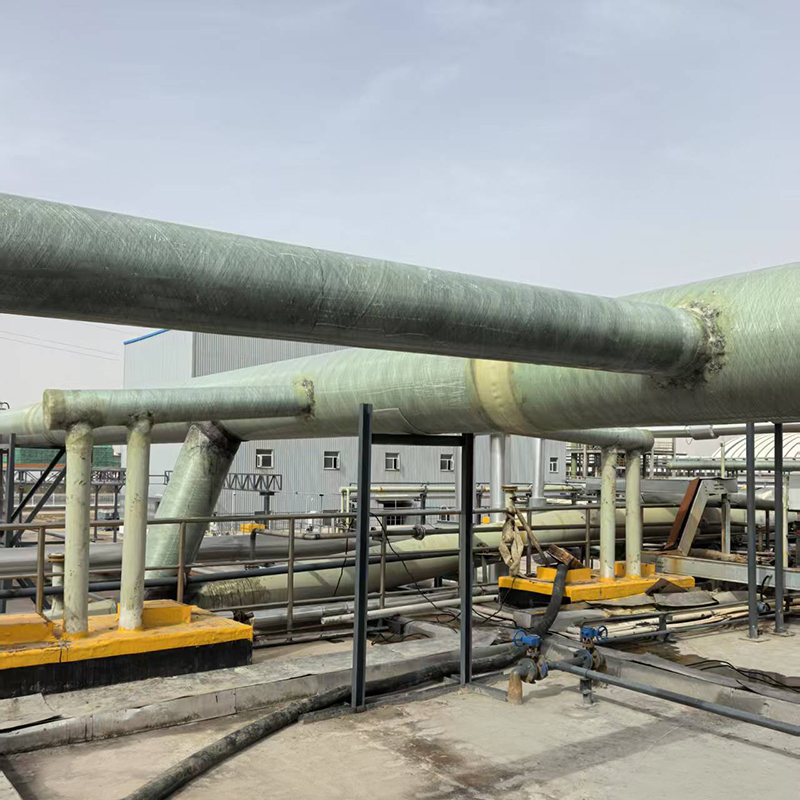
FRP pipes are made by combining a plastic resin with fiberglass reinforcement to create a durable, lightweight, and corrosion-resistant material. These pipes are increasingly becoming the preferred choice in industries where high durability, chemical resistance, and energy savings are paramount.
The Basics of FRP Pipes
Fiberglass Reinforced Plastic (FRP) pipes are engineered from a combination of thermosetting resin (usually polyester, vinyl ester, or epoxy) and glass fibers. This unique combination provides high strength-to-weight ratio, resistance to corrosion, and excellent durability in harsh environments. FRP pipes are used in various industrial sectors, including:
-
Water treatment and wastewater systems
-
Oil and gas pipelines
-
Chemical processing industries
-
Food and beverage manufacturing
-
Mining and power plants
Reducing Friction Losses with Smooth Inner Surfaces
One of the key advantages of FRP pipes over traditional metallic pipes is their smooth inner surface. Frictional resistance occurs when fluid flows through a pipe, and this resistance leads to energy losses as more energy is required to maintain the flow of the fluid.
The inner surface of FRP pipes is exceptionally smooth, which minimizes the friction between the fluid and the pipe walls. This reduced friction means that less energy is required to pump the fluid through the system, resulting in a lower energy consumption.
By offering smoother flow paths for fluids, FRP pipes ensure that pumps and other equipment do not have to work as hard, which translates into lower operating costs and improved energy efficiency in the long run.
Lightweight Construction Reduces Transport and Installation Energy
Another significant advantage of FRP pipes in terms of energy efficiency is their lightweight nature. FRP pipes are considerably lighter than traditional metal pipes like steel, copper, or cast iron, which makes them easier to transport, handle, and install. This has several direct benefits on the energy efficiency of an industrial fluid system:
-
Reduced transportation energy: Since FRP pipes are lighter, less energy is required to transport them to job sites. This can significantly reduce fuel costs and carbon emissions during delivery, especially for large-scale projects.
-
Easier installation: The lightweight nature of FRP pipes means that they can be handled and installed more easily. Fewer workers and less heavy machinery are required for installation, reducing the energy consumption associated with setting up the piping system.
Moreover, the quicker and easier installation process reduces downtime, allowing industrial processes to start or resume operations faster, which also contributes to overall energy savings.
Corrosion Resistance Leading to Reduced Maintenance and Energy Losses
One of the most significant drawbacks of metal pipes, especially in chemical and water treatment plants, is their susceptibility to corrosion. Over time, corrosion degrades the material, creating rough surfaces that increase friction and resistance to fluid flow. This results in higher energy consumption due to the increased effort required to pump fluids through corroded pipes.
FRP pipes, on the other hand, are highly resistant to corrosion and chemical attack, even in highly aggressive environments. The ability of FRP pipes to maintain their structural integrity and smoothness over time means that they require far less maintenance than metal pipes, which often need to be replaced or repaired due to corrosion.
By reducing the need for frequent repairs and replacements, FRP pipes help to lower maintenance costs and energy losses associated with degraded pipes. In industries where downtime is costly and energy efficiency is crucial, the longevity and durability of FRP pipes are invaluable assets.
Energy-Efficient Heat Transfer in Thermal Systems
In industrial systems that involve heat transfer, such as cooling or heating systems in power plants or chemical processing plants, energy efficiency is a key consideration. FRP pipes have excellent thermal insulation properties, which can significantly improve the energy efficiency of these systems.
In systems that transport hot or cold fluids, traditional metal pipes can lead to energy loss due to heat conduction. The insulating properties of FRP pipes reduce heat transfer, maintaining the desired temperature of the fluid and preventing unwanted energy loss to the environment.
By minimizing the need for external insulation and reducing energy dissipation, FRP pipes help ensure that the system operates at optimal efficiency, leading to reduced energy consumption and lower operating costs.
Longer Lifespan and Reduced Need for Replacement
The extended lifespan of FRP pipes also plays a key role in improving energy efficiency. FRP pipes are highly durable, with resistance to abrasion, corrosion, and chemical exposure, which allows them to last much longer than traditional metal pipes. The longer lifespan of FRP pipes means fewer replacements are needed, which further reduces the energy and materials required for maintenance and replacements over the years.
Additionally, because these pipes maintain their integrity and smoothness over time, they continue to operate efficiently without experiencing the buildup of scale, rust, or other materials that can restrict flow and reduce the system's overall efficiency.
Environmental Benefits of FRP Pipes in Energy Systems
In today’s increasingly environmentally conscious world, industries are continually looking for ways to improve their carbon footprint and reduce energy consumption. FRP pipes offer a sustainable alternative to traditional piping materials, contributing to the reduction of both direct and indirect energy costs in several ways:
-
Reduced need for replacements: The long-lasting nature of FRP pipes minimizes the waste generated from frequent replacements, leading to fewer resources being consumed.
-
Energy savings through reduced friction: The smooth inner surface and corrosion resistance ensure energy-efficient fluid transport, minimizing unnecessary energy use and associated emissions.
-
Lower carbon emissions during transport and installation: The lightweight nature of FRP pipes reduces the energy used in transportation and installation, making the entire process more sustainable.
As a result, industries that switch to FRP piping systems not only improve their operational efficiency but also reduce their overall environmental impact.



 Tiếng Việt
 عربى
عربى Get a quote

 Tel: +86 0515-86302568
  E-mail:
  Add: No. 11, Xingwang Road, Jianyang Town, Jianhu County, Jiangsu Province, China