When selecting a sectional water tank, the material determines nearly everything: lifespan, maintenance burden, installation complexity, water quality, and total cost of ownership. For most commercial and industrial applications, a stainless steel sectional water tank offers the best long-term value, while FRP storage tanks win on corrosion resistance in chemically aggressive environments, and MS tanks remain relevant only where upfront budget is the dominant constraint. This guide gives you a direct, data-backed comparison of all three so you can make the right call for your specific project.
What Is a Sectional Water Tank and Why Material Matters
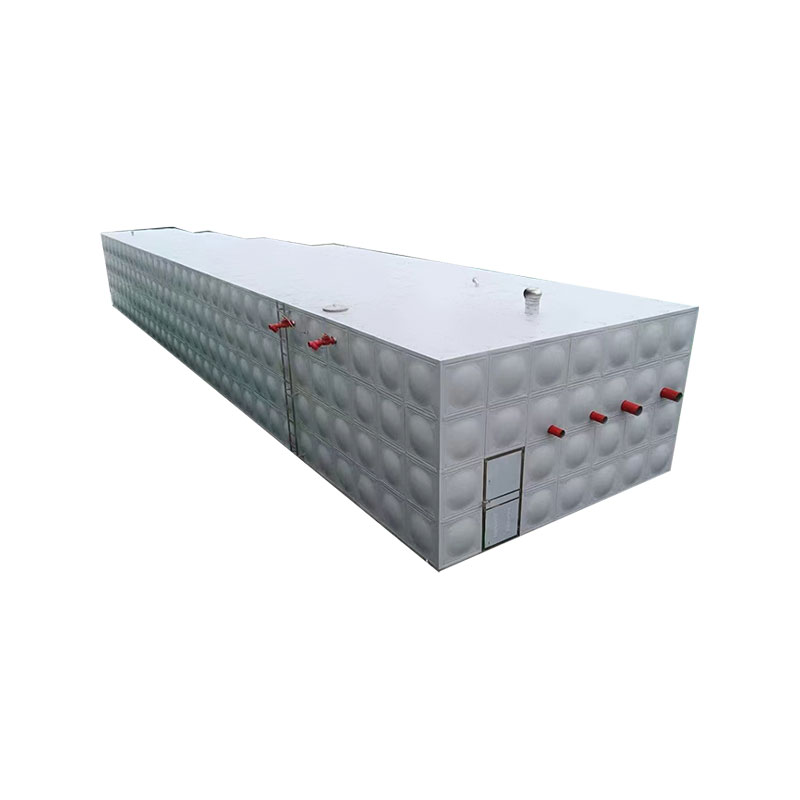
A sectional water tank is a modular storage system assembled on-site from pre-fabricated panels, rather than delivered as a single unit. Panels are bolted or interlocked together, sealed with food-grade gaskets, and can be configured in virtually any capacity—from 1,000 litres to several million litres. This modularity makes them ideal for rooftop installations, basements, or any location where access is restricted and large one-piece tanks cannot be transported.
The three dominant panel materials are:
- MS (Mild Steel) – carbon steel, typically coated or lined internally
- SS (Stainless Steel) – most commonly Grade 304 or Grade 316 austenitic stainless steel
- FRP (Fibre-Reinforced Plastic) – glass fibre composite panels, also called GRP (Glass-Reinforced Plastic)
Each material interacts differently with water chemistry, temperature, structural loads, and environmental conditions. Choosing the wrong material leads to premature corrosion, water contamination, structural failure, or unnecessary capital expenditure—all of which have been documented in real installations worldwide.
MS Sectional Water Tanks: Low Cost, High Maintenance
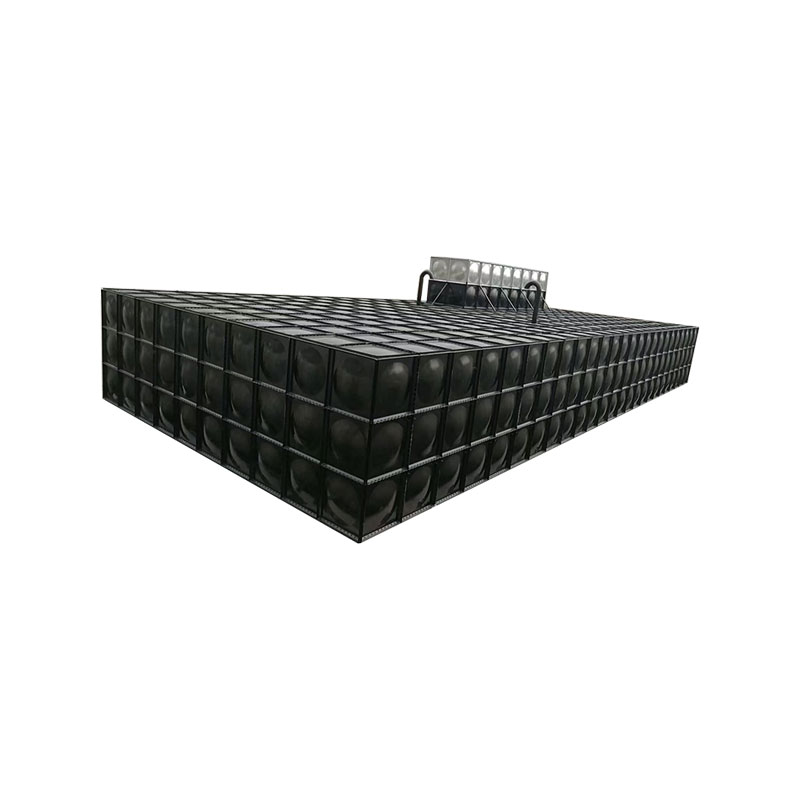
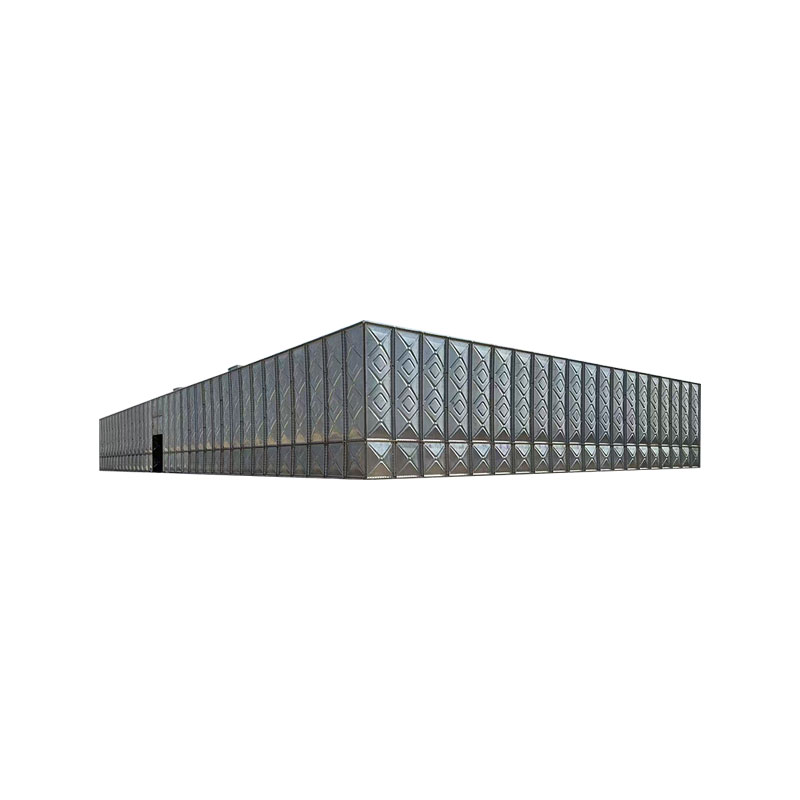
Mild steel sectional tanks have been used in water storage for over a century. The panels are fabricated from carbon steel sheet, hot-dip galvanised or epoxy-lined internally, and bolted together on site. They are the most affordable option upfront, which explains their continued presence in budget-constrained projects and older infrastructure.
Where MS Tanks Perform Reasonably Well
- Short-term or temporary water storage installations
- Large-capacity fire water reserve tanks where potable quality is not required
- Environments with neutral water pH (6.5–8.5) and low chloride content
The Core Problem: Corrosion and Lining Degradation
MS tanks depend entirely on their internal coating or lining to prevent rust. Once that barrier fails—typically within 8 to 15 years depending on water chemistry and maintenance frequency—corrosion begins and accelerates rapidly. Iron contamination in potable water systems is a direct public health concern and can breach WHO guidelines (0.3 mg/L limit for iron in drinking water) within months of lining failure.
Maintenance requirements for MS tanks are substantial:
- Internal inspection every 1 to 2 years
- Re-lining or re-coating every 5 to 10 years at significant cost
- External anti-corrosion treatment in humid or coastal environments
When lifecycle costs are properly calculated, MS tanks are frequently more expensive over 25 years than stainless steel alternatives, despite costing 30 to 50% less at the point of purchase.
Stainless Steel Sectional Water Tanks: The Professional Standard
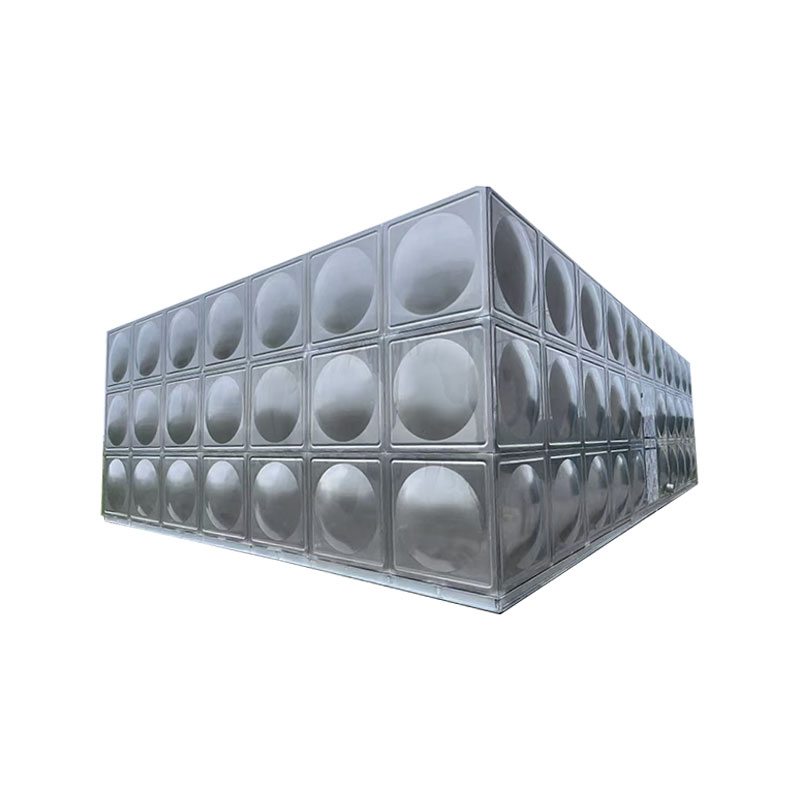
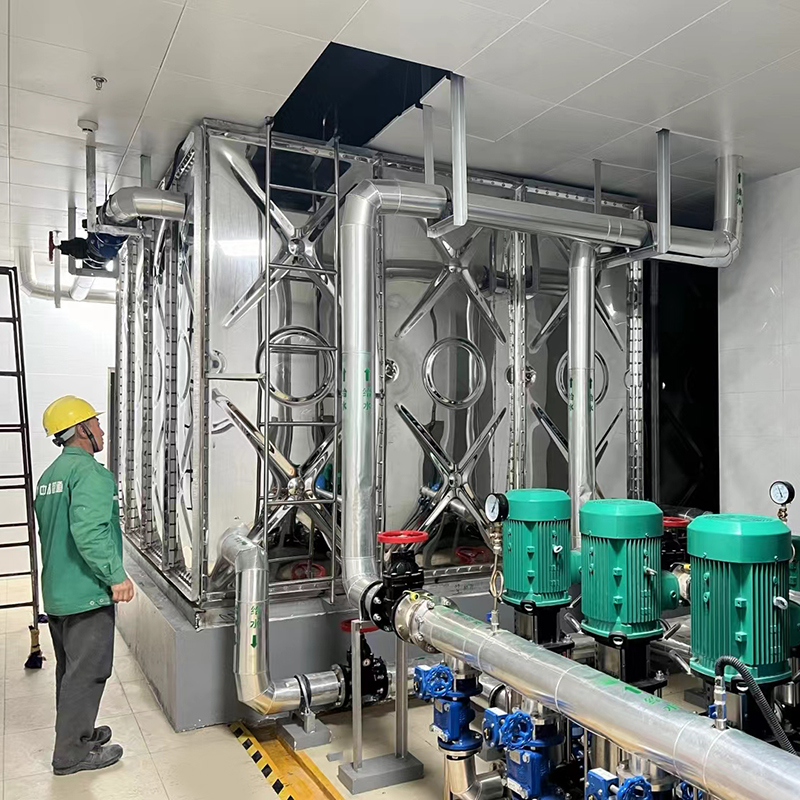
A stainless steel sectional water tank is the most widely specified option for commercial buildings, hospitals, hotels, food processing facilities, and municipal water supply infrastructure. The panels are fabricated from Grade 304 (1.4301) or Grade 316 (1.4401) stainless steel, pressed into a dimple-plate pattern to increase structural rigidity, then assembled with EPDM or silicone gaskets at the joints.
Grade 304 vs. Grade 316: When to Upgrade
Grade 304 stainless steel contains 18% chromium and 8% nickel, providing excellent corrosion resistance in most freshwater applications. Grade 316 adds 2 to 3% molybdenum, significantly improving resistance to chloride-induced pitting corrosion. Grade 316 is mandatory in coastal locations, areas with high-chloride water supplies, or where the tank stores water with added chlorine above 0.5 ppm.
Key Performance Advantages
- Service life of 25 to 50 years with minimal maintenance in standard freshwater applications
- No internal lining required—the steel itself is the barrier, eliminating coating failure risk
- Compliant with WRAS (Water Regulations Advisory Scheme), NSF/ANSI 61, and most international potable water standards
- High structural strength—handles hydraulic pressure, seismic loads, and temperature cycling without deformation
- Easy to clean and inspect; smooth internal surface resists biofilm formation
Limitations to Be Aware Of
- Higher initial cost than MS or FRP—typically 40 to 70% more expensive per litre of capacity than comparable MS tanks
- Grade 304 can suffer pitting corrosion in high-chloride or acidic water without upgrading to Grade 316
- Heavier than FRP, requiring stronger supporting structures for rooftop installations
FRP Storage Tanks: Lightweight Corrosion Resistance for Demanding Environments
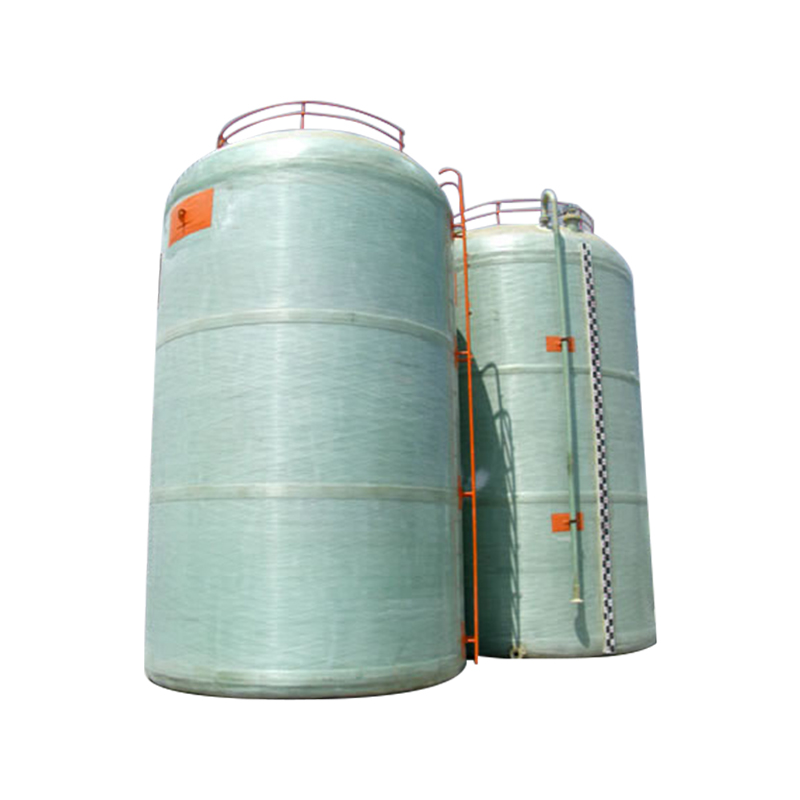
FRP (Fibre-Reinforced Plastic) storage tanks, also marketed as GRP tanks, are constructed from layers of glass fibre woven mat impregnated with thermoset resins—typically polyester, vinyl ester, or epoxy. The sectional FRP format uses moulded panels bolted together with rubber gaskets, similar in assembly concept to stainless steel sectional tanks but using an entirely different material technology.
Where FRP Storage Tanks Have a Genuine Advantage
- Highly corrosive environments: FRP is immune to rust and does not require any internal coating, making it ideal for storing demineralised water, slightly acidic water, or water with high mineral content
- Weight-critical rooftop installations: FRP panels weigh approximately 30 to 40% less than equivalent stainless steel panels, reducing structural load requirements significantly
- Chemical process industries where specific resin grades (vinyl ester or epoxy) provide resistance to hydrocarbons, acids, or alkalis that would attack both MS and SS
- Cost-competitive with stainless steel while offering superior chemical resistance in specialised applications
Limitations of FRP Sectional Tanks
- UV degradation: FRP panels exposed to direct sunlight without UV-stabilised gel coat or protective covering lose structural integrity over time, with visible surface erosion within 10 to 15 years in high-UV environments
- Impact vulnerability: FRP is brittle compared to steel; a sharp impact from tools or debris can cause cracking or delamination that is difficult to repair permanently
- Temperature limitations: standard polyester-resin FRP tanks are not recommended for continuous water temperatures above 50°C; vinyl ester grades extend this to around 70°C
- Panel joint integrity depends heavily on gasket condition; FRP panels do not self-seal around bolts the way steel flanges do under compression
Direct Comparison: MS vs. SS vs. FRP Sectional Water Tanks
The table below summarises the key performance parameters across all three materials to assist specification decisions:
Comparison of MS, SS, and FRP sectional water tanks across critical specification criteria
| Parameter |
MS (Mild Steel) |
SS (Stainless Steel) |
FRP |
| Typical Lifespan |
10–20 years (with maintenance) |
25–50 years |
20–30 years |
| Relative Upfront Cost |
Low |
High |
Medium–High |
| Corrosion Resistance |
Poor (coating-dependent) |
Very Good (316 = Excellent) |
Excellent |
| Potable Water Compliance |
Conditional |
Yes (WRAS, NSF/ANSI 61) |
Yes (food-grade resin) |
| Weight (relative) |
Heavy |
Heavy |
Light |
| Maintenance Requirement |
High |
Low |
Low–Medium |
| Impact Resistance |
Good |
Very Good |
Poor–Moderate |
| UV Resistance |
Good (with coating) |
Excellent |
Moderate (gel coat required) |
| 25-Year Lifecycle Cost |
High |
Medium |
Medium |
Lifecycle Cost Analysis: Why Upfront Price Is Misleading
A common specification mistake is selecting a tank material based on purchase price alone without calculating total cost of ownership over the expected service period. Consider this example for a 50,000-litre rooftop sectional water tank over a 25-year period:
- MS tank: Lower initial cost, but requires two full re-lining cycles (years 8 and 16 approximately), annual inspection, possible structural repairs due to corrosion, and potential replacement before year 25. Estimated total 25-year cost: 170 to 220% of initial purchase price.
- SS sectional tank: Higher upfront cost, but requires only routine cleaning, gasket inspections every 5 years, and no lining work. Estimated total 25-year cost: 110 to 120% of initial purchase price.
- FRP storage tank: Competitive upfront cost, low maintenance in chemical-resistant applications, but possible UV protection treatment and gasket replacements add moderate cost. Estimated total 25-year cost: 120 to 140% of initial purchase price.
In practical terms, a project that saves $15,000 by specifying MS over SS often spends $25,000 to $40,000 more over the tank's service life in maintenance, re-lining, downtime, and eventual replacement. This calculation shifts the recommendation decisively toward stainless steel for any installation expected to last beyond 15 years.
Application-Based Selection Guide
The right material depends on the specific installation context. Use the following decision framework as a starting point:
Choose a Stainless Steel Sectional Water Tank When:
- The application is potable water storage for human consumption (hospitals, hotels, residential towers, schools)
- The installation is expected to operate for 25 years or more
- Water quality standards are subject to regulatory inspection (WRAS, NSF, BS EN standards)
- Maintenance access is difficult or costly (e.g., plant rooms, underground installations)
- The environment is coastal or chloride-rich (specify Grade 316)
Choose an FRP Storage Tank When:
- Water chemistry is aggressive—low pH, high dissolved solids, or softened water that would pit stainless steel
- Structural load limitations make a lighter-weight tank essential for rooftop installation
- Industrial process water, cooling tower make-up water, or chemical storage is required
- Budget is constrained and stainless steel is cost-prohibitive, but long-term corrosion protection is still required
Consider MS Tanks Only When:
- The storage is for non-potable water (fire reserve, irrigation, industrial process cooling)
- The installation is genuinely short-term (under 10 years) with budgeted replacement planned
- A robust internal lining and maintenance programme is already contractually committed
Installation and Assembly Considerations for Sectional Tanks
All three sectional tank types share broadly similar assembly processes—panels are transported to site, positioned on a prepared base, bolted together, and sealed. However, there are material-specific considerations that affect installation cost and complexity:
- MS panels are heaviest and most susceptible to damage during transport; cut edges exposed during drilling must be touched up with zinc-rich primer immediately to prevent flash rust at joints
- SS panels are heavy but self-passivating—minor surface scratches during installation do not create corrosion initiation points in the way they do with MS
- FRP panels are easiest to handle due to low weight, but require careful torque control when bolting—over-tightening cracks the laminate around bolt holes, a common installation defect that leads to joint leaks
For all three materials, the base must be level to within ±3 mm across the full footprint. An unlevel base concentrates stress on panel joints and gaskets, leading to premature leaks regardless of material quality. A reinforced concrete plinth or structural steel frame is standard for tanks above 10,000 litres.
Standards and Certifications to Verify Before Purchase
Before specifying any sectional water tank for potable or regulated water storage, verify that the manufacturer can supply documentation for the following certifications as applicable to your region:
- WRAS approval (UK/Europe) – Water Regulations Advisory Scheme, required for materials in contact with drinking water in the UK
- NSF/ANSI 61 (North America) – Standard for drinking water system components
- BS EN 13280 – European standard specifically for glass-reinforced plastic (GRP/FRP) tanks for cold water storage above ground
- ISO 9001 manufacturer quality management certification – not a product standard, but indicates production quality controls are in place
- Material mill certificates for stainless steel panels – confirm the actual grade (304 vs 316) rather than relying on manufacturer claims alone
Tanks sold without traceable certification documentation should be treated with significant caution, particularly in potable water applications where regulatory liability is a serious consideration.



 Tiếng Việt
 عربى
عربى Get a quote

 Tel: +86 0515-86302568
  E-mail:
  Add: No. 11, Xingwang Road, Jianyang Town, Jianhu County, Jiangsu Province, China