What Is FRP Piping?
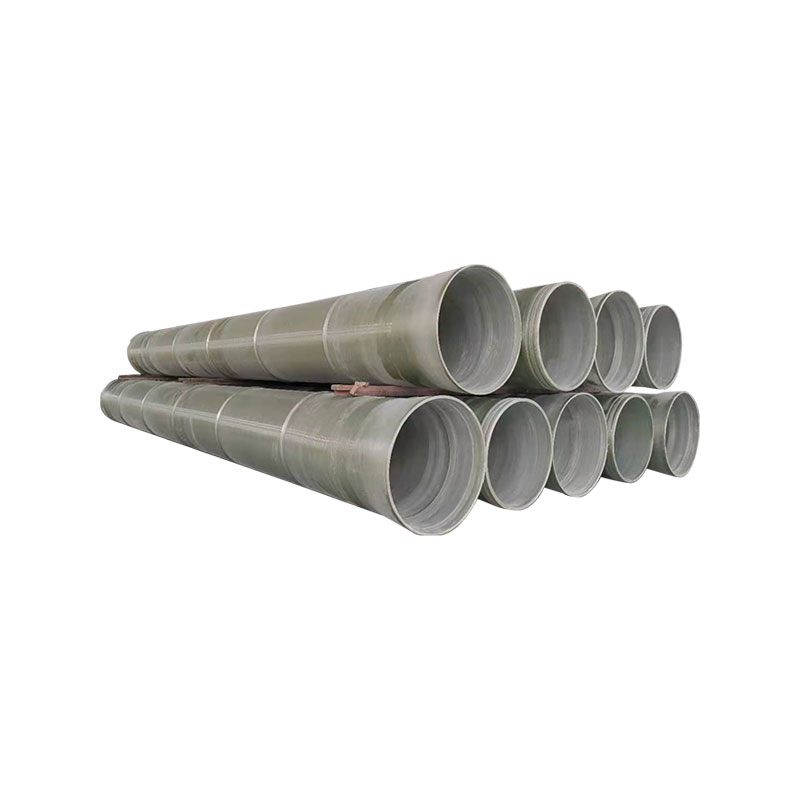
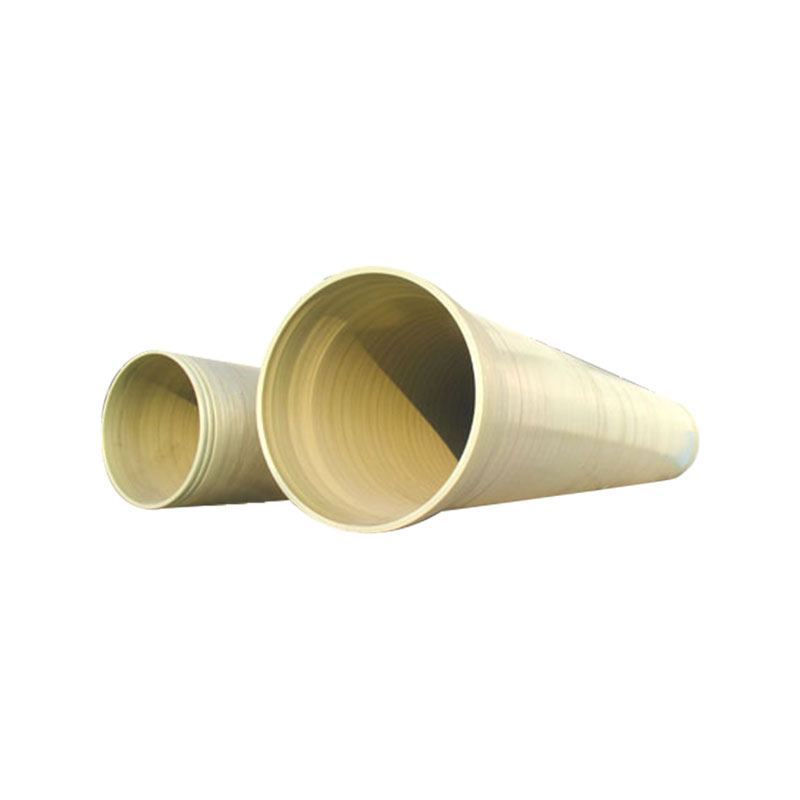
FRP piping — short for Fiber Reinforced Polymer piping — is a composite pipe system made by embedding fibrous reinforcements (most commonly fiberglass) within a polymer resin matrix. The result is a lightweight, high-strength, and highly corrosion-resistant pipe used across industrial, chemical, municipal, and infrastructure applications worldwide.
FRP pipes are also widely referred to as GRP pipes (Glass Reinforced Plastic), particularly in European and Middle Eastern markets, though the terms are largely interchangeable. The defining characteristic of FRP piping is that its mechanical performance is derived from the fiber-resin composite structure rather than from a single base material like steel or PVC.
In practical terms, FRP pipes can handle operating pressures from 50 psi to over 1,500 psi, temperatures up to 300°F (149°C) depending on the resin system, and diameters ranging from 1 inch to over 144 inches — making them suitable for a vast range of fluid transport needs.
How FRP Pipes Are Made
The manufacturing method significantly affects the mechanical properties and cost of FRP pipes. There are three primary production techniques used in the industry:
Filament Winding
The most common method for pressure pipe applications. Continuous glass fiber rovings are wound around a rotating mandrel at precise angles (typically 55° for balanced hoop and axial strength) and saturated with resin. This produces pipes with excellent, predictable pressure ratings and tight dimensional tolerances. Most large-diameter FRP pressure pipes — including those used in water transmission and oil & gas — are filament wound.
Centrifugal Casting
Chopped glass fibers and resin are introduced into a rotating mold. Centrifugal force compacts the material against the mold wall, producing a smooth interior surface. This method is commonly used for sewer and drainage pipes where flow efficiency is critical.
Pultrusion
Fiber reinforcements are pulled through a resin bath and then through a heated die that shapes and cures the composite. Pultrusion is ideal for smaller diameter pipes and structural profiles requiring consistent cross-sections and high axial strength.
Key Materials: Fibers and Resins in FRP Pipes
The specific combination of fiber and resin determines the pipe's chemical resistance, temperature tolerance, and mechanical strength. Understanding these components helps in selecting the right FRP pipe for a given application.
Fiber Reinforcement Types
- E-glass (Electrical glass): The most widely used fiber. Cost-effective, with good tensile strength (~500,000 psi) and adequate chemical resistance for most applications.
- C-glass (Chemical glass): Superior resistance to acidic environments; used in chemical processing liners.
- S-glass (Structural glass): Higher tensile strength (~700,000 psi) than E-glass; used in high-pressure or demanding structural applications.
- Carbon fiber: Extremely high strength and stiffness; reserved for specialty, high-performance FRP pipes where cost is secondary to performance.
Resin Matrix Types
- Polyester resin: The most economical option. Suitable for water, mild chemicals, and general service. Temperature limit typically around 180°F (82°C).
- Vinyl ester resin: Excellent resistance to strong acids, caustics, and solvents. Temperature resistance up to 220°F (104°C). Common in chemical plants and desalination facilities.
- Epoxy resin: High mechanical strength and adhesion, excellent for oil & gas and high-pressure service. Temperature resistance up to 300°F (149°C) with appropriate formulations.
- Phenolic resin: Outstanding fire resistance; used in offshore platforms and transportation where fire retardancy is required.
Core Properties and Performance Characteristics of FRP Pipes
FRP pipes deliver a unique combination of properties that no single traditional material can match across all dimensions:
Typical FRP pipe performance values vary by resin system, fiber type, and manufacturing method.
| Property |
Typical FRP Value |
Significance |
| Density |
1.7 – 2.0 g/cm³ |
~75% lighter than steel |
| Tensile Strength |
30,000 – 80,000 psi |
Comparable to mild steel |
| Thermal Conductivity |
0.3 – 0.4 W/m·K |
~100x lower than steel |
| Hazen-Williams C Factor |
150 (smooth bore) |
Excellent hydraulic efficiency |
| Service Life |
50+ years (typical design) |
Lower lifecycle cost |
| Electrical Resistivity |
10¹² – 10¹⁴ Ω·cm |
Non-conductive, safe in electrical environments |
The combination of high strength-to-weight ratio and near-total corrosion immunity is what drives FRP pipe adoption in environments where steel would require extensive protective coatings or rapid replacement.
Where FRP Pipes Are Used: Major Applications
FRP pipes are employed across a broad spectrum of industries, particularly where corrosion resistance, weight savings, or long service life are priorities.
Oil and Gas Industry
FRP pipes are extensively used for saltwater injection lines, produced water disposal, and firewater systems on offshore platforms. A major advantage is that FRP eliminates internal corrosion from brine and produced fluids that would rapidly deteriorate carbon steel pipes. Offshore platforms have documented replacing steel firewater lines with FRP, reducing pipe weight by over 60% and eliminating corrosion-related maintenance entirely.
Water and Wastewater Treatment
Municipal water systems globally use large-diameter FRP pipes — often 36 to 120 inches in diameter — for transmission mains and distribution. In wastewater applications, FRP's resistance to hydrogen sulfide (H₂S), a common cause of concrete sewer pipe failure, makes it ideal for force mains and gravity sewers.
Chemical Processing Plants
When transporting aggressive chemicals such as sulfuric acid, hydrochloric acid, sodium hydroxide, or chlorine compounds, vinyl ester FRP pipes with C-glass liners provide service that steel cannot match without expensive alloy alternatives. FRP chemical lines typically last 20–40 years in environments where steel pipes fail in 2–5 years.
Desalination Plants
The seawater pre-treatment and brine disposal systems in desalination facilities are among the harshest corrosive environments imaginable. FRP pipes, particularly those using vinyl ester or epoxy resins, have become the material of choice for intake, treatment, and discharge piping in facilities across the Middle East, North Africa, and Australia.
Power Generation
Cooling water systems, flue gas desulfurization (FGD) ducts, and chimney liners in power plants commonly use FRP piping. The material withstands the combination of hot, acidic flue gases and scrubbing water that would rapidly corrode metal systems.
FRP Pipes vs. Steel, PVC, and Concrete: A Direct Comparison
Choosing the right pipe material requires balancing initial cost, lifecycle cost, installation, and service conditions. Here's how FRP compares to its main alternatives:
Comparison is generalized; actual performance depends on specific grades, application, and service conditions.
| Attribute |
FRP Pipe |
Carbon Steel |
PVC/CPVC |
Concrete |
| Corrosion Resistance |
Excellent |
Poor (requires coating) |
Good |
Moderate |
| Weight |
Very Light |
Heavy |
Light |
Very Heavy |
| Pressure Capacity |
High |
Very High |
Moderate |
Low–Moderate |
| Temperature Limit |
Up to 300°F |
Very High |
140–210°F |
Moderate |
| Installation Ease |
Easy |
Difficult |
Easy |
Very Difficult |
| Initial Cost |
Moderate–High |
Moderate |
Low |
Moderate |
| Lifecycle Cost |
Low |
High |
Low–Moderate |
Moderate |
| Design Life |
50+ years |
20–30 years (coated) |
25–50 years |
50–100 years |
Advantages of FRP Pipes
The adoption of FRP pipes has grown steadily across industries because they deliver compelling advantages in the right applications:
- Superior corrosion resistance: FRP does not rust, corrode, or degrade when exposed to a wide range of acids, alkalis, salts, and organic compounds — eliminating one of the biggest maintenance cost drivers in industrial piping.
- Lightweight construction: At roughly one-quarter the weight of steel, FRP pipes drastically reduce installation labor, equipment costs, and structural loading — particularly beneficial offshore and in elevated piping systems.
- Hydraulic efficiency: The smooth interior surface (roughness coefficient ε ≈ 0.00005 ft) maintains flow efficiency over the pipe's entire service life, unlike steel which roughens with corrosion and scale buildup.
- Tailorable properties: By selecting different fiber architectures, resins, and wall constructions, engineers can optimize FRP pipes for specific pressure ratings, chemical environments, or temperature ranges.
- Low thermal conductivity: FRP's insulating properties reduce heat loss in process lines and eliminate condensation problems common with metal pipes in humid environments.
- Electrical non-conductivity: FRP pipes are inherently non-conductive, making them safe and preferable near electrical infrastructure or in applications where stray current corrosion is a concern.
- Long design life with low maintenance: Properly designed FRP systems are engineered for 50-year service lives with minimal inspection and maintenance requirements, producing significantly lower lifecycle costs than steel alternatives.
Limitations and Considerations of FRP Pipes
FRP pipes are not universally the best choice. Engineers and procurement teams must be aware of their limitations:
- Higher upfront cost: FRP pipes typically cost 20–50% more than equivalent carbon steel pipes on a per-foot basis. The economic case depends on lifecycle savings from reduced corrosion maintenance.
- Brittleness under impact: Unlike metals that deform plastically before failure, FRP pipes can crack or fracture under sudden impact loads — requiring protective measures in exposed locations.
- Temperature ceiling: Even high-performance epoxy FRP systems are limited to around 300°F (149°C), making them unsuitable for steam lines or high-temperature process applications where steel or stainless steel is required.
- Specialized joining methods: FRP pipes are typically joined using adhesive bonding, laminate overlays, or mechanical couplings — requiring trained technicians and curing time, unlike simple welded steel connections.
- UV degradation: Without appropriate surface veils or UV-resistant gel coats, prolonged ultraviolet exposure can degrade the resin matrix on exposed above-ground piping.
- Repair complexity: Field repairs require composite laminating skills and materials. While repairable, the process is more complex than welding a steel patch.
FRP Pipe Standards and Specifications
FRP piping is governed by a range of national and international standards that specify materials, manufacturing requirements, testing protocols, and design guidelines. Specifying the correct standard ensures that pipes meet the demands of the service environment.
- ASTM D2996 / D2997: Standard specifications for filament-wound and centrifugally cast FRP pipe.
- ASTM D3517 / D3754: Covers fiberglass pressure pipe and sewer and industrial pressure pipe.
- AWWA C950: Standard for fiberglass pressure pipe used in potable water transmission — widely referenced in municipal water projects.
- ISO 14692: The leading international standard for petroleum and natural gas FRP piping systems, covering design, manufacturing, installation, and testing.
- BS EN 1796 / BS EN 14364: European standards for GRP (FRP) pipes used in water supply and drainage/sewerage applications.
- API 15LR / 15HR: American Petroleum Institute specifications for low-pressure and high-pressure FRP line pipe used in oil field service.
For oil and gas applications, ISO 14692 is considered the benchmark standard globally. For municipal water in North America, AWWA C950 is the primary reference.
How to Select the Right FRP Pipe for Your Application
Proper FRP pipe selection requires evaluating several interconnected parameters. Working through these steps systematically leads to the most cost-effective and reliable choice:
- Define the fluid service: Identify the chemical composition, concentration, pH, and temperature of the fluid to be transported. Match these against a resin chemical resistance guide to select the appropriate resin system (polyester, vinyl ester, or epoxy).
- Establish pressure and flow requirements: Determine operating pressure, surge pressures, and required flow rate. These drive wall thickness, pipe stiffness class, and diameter selection.
- Assess the installation environment: Consider above-ground vs. buried installation, UV exposure, soil loading, seismic activity, and ambient temperature range — each affects structural design requirements.
- Select the manufacturing method: Filament winding for pressure applications; centrifugal casting for large-diameter gravity flow; pultrusion for small-diameter or structural applications.
- Specify joining and connection method: Adhesive bonded bell-and-spigot joints are common for buried pipe; flanged connections for above-ground process systems; mechanical couplings where disassembly is required.
- Confirm applicable standards: Identify whether the project requires ASTM, AWWA, ISO, or API certification, and ensure the supplier's manufacturing process is certified accordingly.



 Tiếng Việt
 عربى
عربى Get a quote

 Tel: +86 0515-86302568
  E-mail:
  Add: No. 11, Xingwang Road, Jianyang Town, Jianhu County, Jiangsu Province, China