The Rise of FRP Moulded Gratings
In modern industrial environments, safety, durability, and corrosion resistance are paramount. Facilities in the oil, gas, and marine sectors face harsh conditions, including saltwater exposure, chemical spills, heavy loads, and extreme weather. Traditional steel or aluminum gratings often fall short in these environments, succumbing to corrosion, wear, and high maintenance costs.
Enter FRP moulded gratings — lightweight, corrosion-resistant, and high-strength solutions designed to meet the demanding requirements of industrial applications. This article explores the applications, benefits, and trends of FRP moulded gratings in the oil, gas, and marine industries, demonstrating why they are becoming an industry standard.
What Are FRP Moulded Gratings?
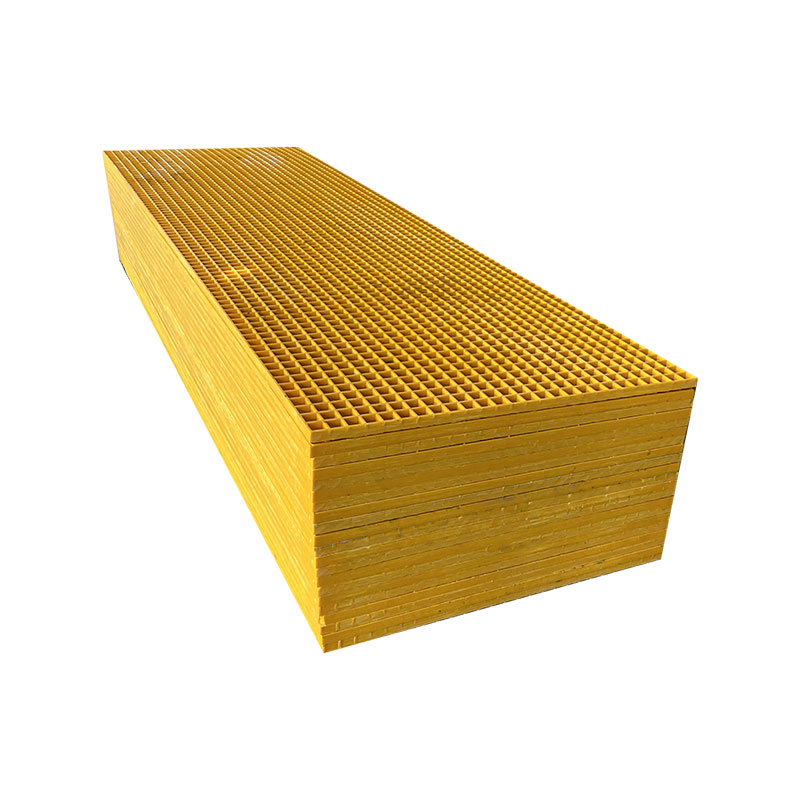
FRP moulded gratings are composite panels made from resin and fiberglass, formed under high pressure and heat. They are engineered to provide structural integrity, chemical resistance, and lightweight performance. Key characteristics include:
High Strength-to-Weight Ratio:
- FRP gratings offer load-bearing capacity comparable to steel while being significantly lighter.
- Easier to install, transport, and replace, especially in offshore or elevated platforms.
Corrosion Resistance:
- Resistant to saltwater, acids, alkalis, and hydrocarbons.
- Ideal for offshore oil rigs, chemical processing plants, and coastal structures.
Slip and Fire Resistance:
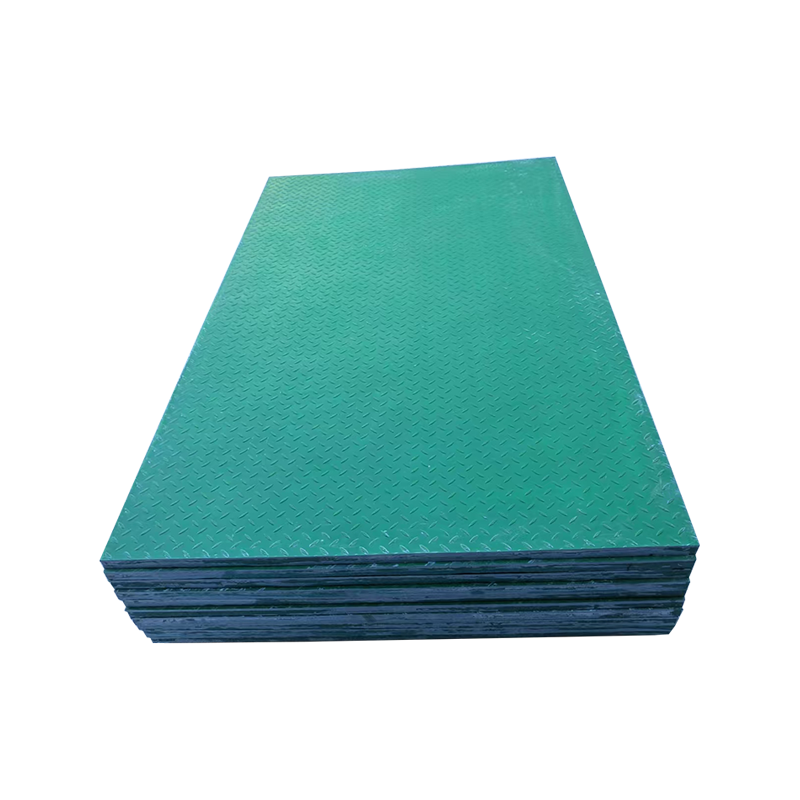
- Molded surface textures provide anti-slip properties, enhancing worker safety.
- Certain resin formulations meet fire-retardant standards for hazardous environments.
Low Maintenance:
- Unlike metal gratings, FRP does not rust or require frequent coatings, reducing downtime and maintenance costs.
Customizable Designs:
- Panels can be produced in various thicknesses, colors, and mesh sizes, tailored to specific industrial needs.
Applications in the Oil Industry
The oil sector involves rigorous operations onshore and offshore, requiring materials that withstand chemicals, heat, and heavy machinery. FRP moulded gratings are used in:
Offshore Oil Rigs and Platforms
- FRP gratings are installed as walkways, stair treads, and safety platforms.
- Lightweight yet strong, they reduce structural load on platforms.
- Highly resistant to saltwater corrosion, extending the life of marine installations.
Refineries and Chemical Plants
- FRP gratings provide safe flooring for chemical exposure areas.
- Resistant to spills of acids, solvents, and crude oil, preventing structural degradation.
- Easy to clean and maintain, ensuring continuous operations.
Storage and Tank Farms
- Used as access platforms and decking around storage tanks.
- High chemical resistance prevents deterioration from hydrocarbon spills.
Applications in the Gas Industry
Gas facilities, whether natural gas processing plants or LNG terminals, face flammable environments and extreme operational pressures. FRP moulded gratings are ideal for:
Compressor and Pump Platforms
- Provide non-conductive, corrosion-resistant platforms for machinery.
- Anti-slip surfaces enhance worker safety in high-pressure areas.
Walkways and Staircases
- FRP gratings replace metal to minimize the risk of sparks in flammable environments.
- Reduce the need for regular anti-corrosion treatments, lowering operational costs.
Offshore LNG Facilities
- Lightweight construction simplifies installation on floating or modular LNG platforms.
- Long-term durability ensures continuous, safe operations in harsh marine conditions.
Applications in the Marine Industry
Marine environments are among the most challenging for materials, with constant exposure to saltwater, UV radiation, and mechanical wear. FRP moulded gratings are widely adopted in:
Docks, Piers, and Walkways
- FRP gratings provide durable, slip-resistant surfaces for pedestrian and vehicle traffic.
- Resistant to corrosion from saltwater and marine organisms.
Ship Decking and Platforms
- Lightweight panels reduce vessel weight, improving fuel efficiency.
- Non-slip surfaces improve crew safety during wet and stormy conditions.
Offshore Maintenance Platforms
- FRP gratings are installed for service platforms and staircases, ensuring long-lasting performance under corrosive conditions.
Coastal Infrastructure
- Used in breakwaters, seawalls, and coastal walkways, providing a durable, low-maintenance solution.
Benefits of FRP Moulded Gratings in Industrial Applications
Corrosion and Chemical Resistance:
- Protects against harsh chemicals, seawater, and industrial fluids.
Lightweight and Easy Installation:
- Reduces labor and installation costs, especially in offshore or elevated structures.
Enhanced Safety:
- Anti-slip textures and non-conductive materials prevent accidents and electrical hazards.
Low Maintenance:
- Eliminates the need for painting, coating, or regular repairs, reducing operational downtime.
Long-Term Durability:
- FRP panels have a lifespan significantly longer than steel or aluminum in corrosive environments.
Customizable Design:
- Allows engineers to tailor panels to specific load-bearing, fire, and aesthetic requirements.
Trends Driving Adoption
Shift Toward Offshore Renewable Energy Platforms
- FRP gratings are now used in floating wind turbines and tidal energy installations.
Focus on Safety and Compliance
- Industrial regulations increasingly demand non-slip, corrosion-resistant, and fire-retardant flooring solutions.
Lightweight Construction Solutions
- Reducing structural load is critical for offshore platforms and modular installations.
Sustainability and Lifecycle Cost Reduction
- FRP’s low-maintenance properties reduce environmental impact and lifecycle costs.
Technological Innovations in Manufacturing
- Advanced resin formulations and molding techniques improve strength, UV resistance, and chemical tolerance.
Best Practices for Using FRP Moulded Gratings
Correct Load Assessment
- Ensure panel thickness and design meet expected load requirements.
Proper Installation
- Secure panels with stainless steel or corrosion-resistant fasteners.
Regular Inspection
- Check for surface wear, UV degradation, or impact damage periodically.
Compliance with Standards
- Follow ASTM, ISO, or local industrial safety standards for industrial and marine applications.
Integration with Safety Features
- Combine with handrails, anti-slip coatings, and drainage channels for enhanced worker safety.



 Tiếng Việt
 عربى
عربى Get a quote

 Tel: +86 0515-86302568
  E-mail:
  Add: No. 11, Xingwang Road, Jianyang Town, Jianhu County, Jiangsu Province, China