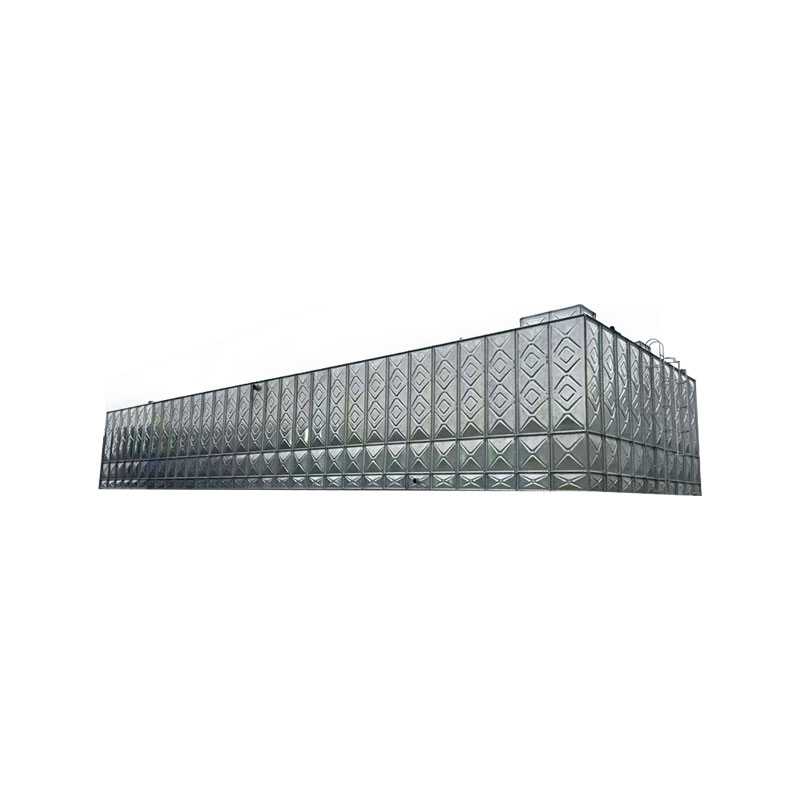
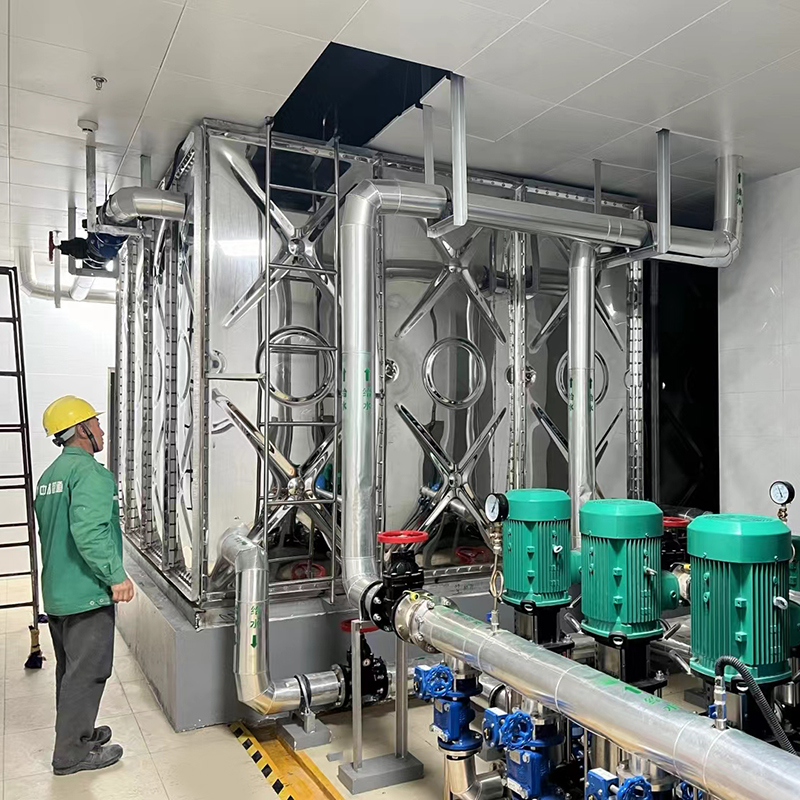
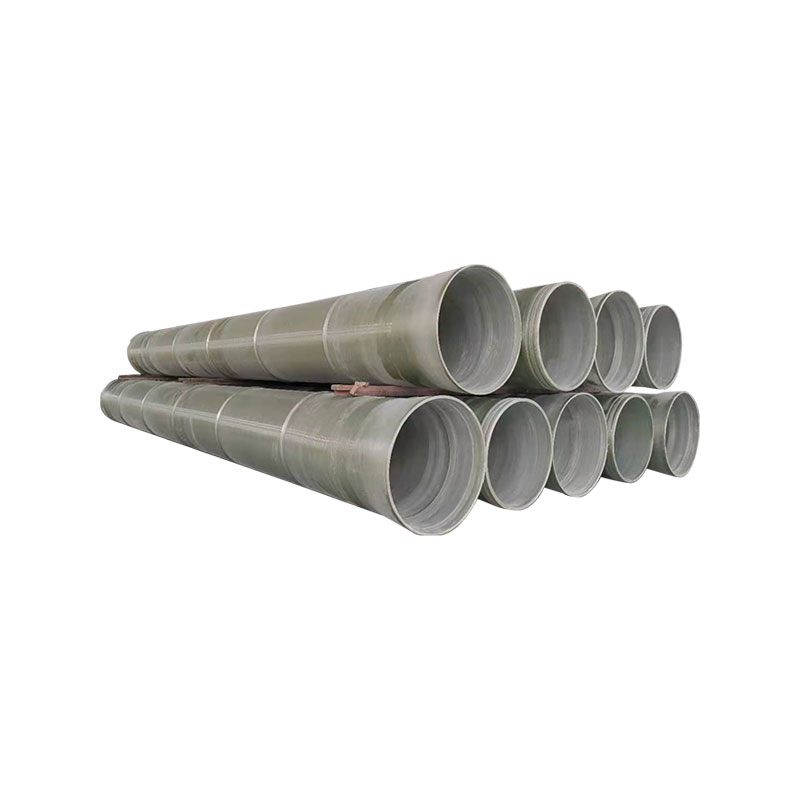
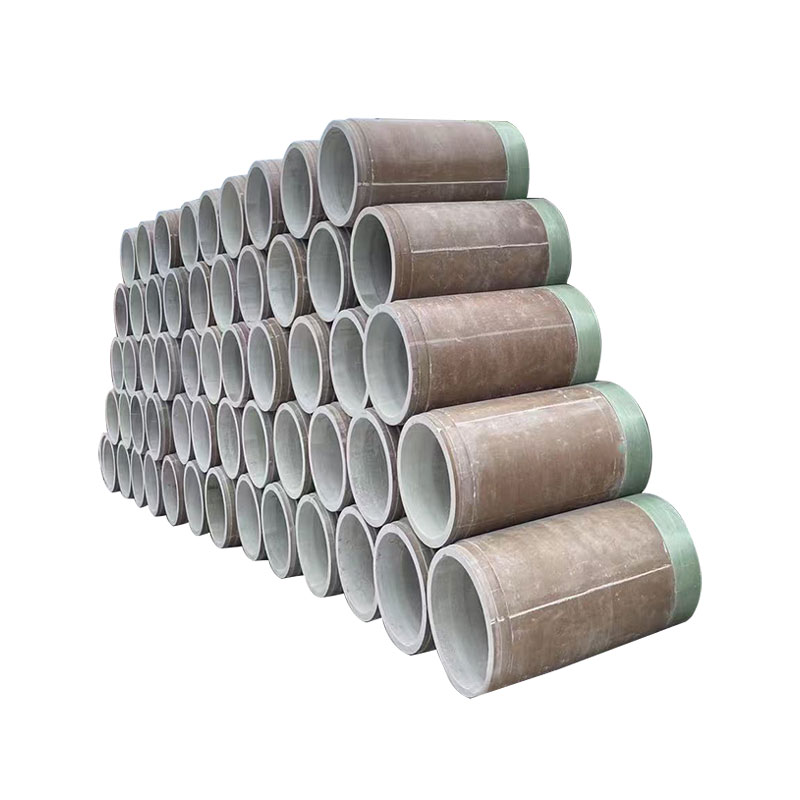
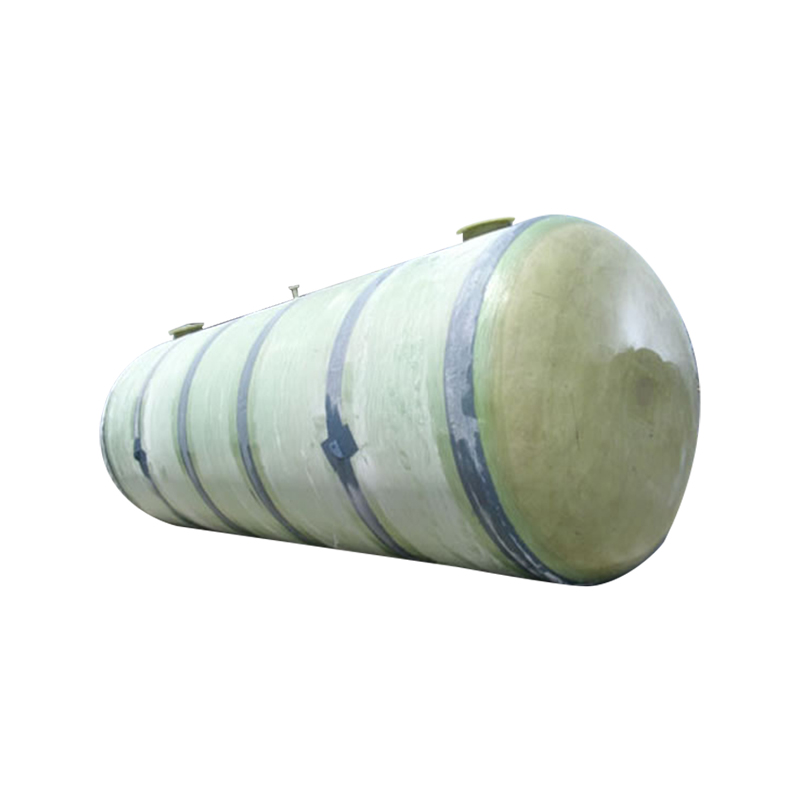
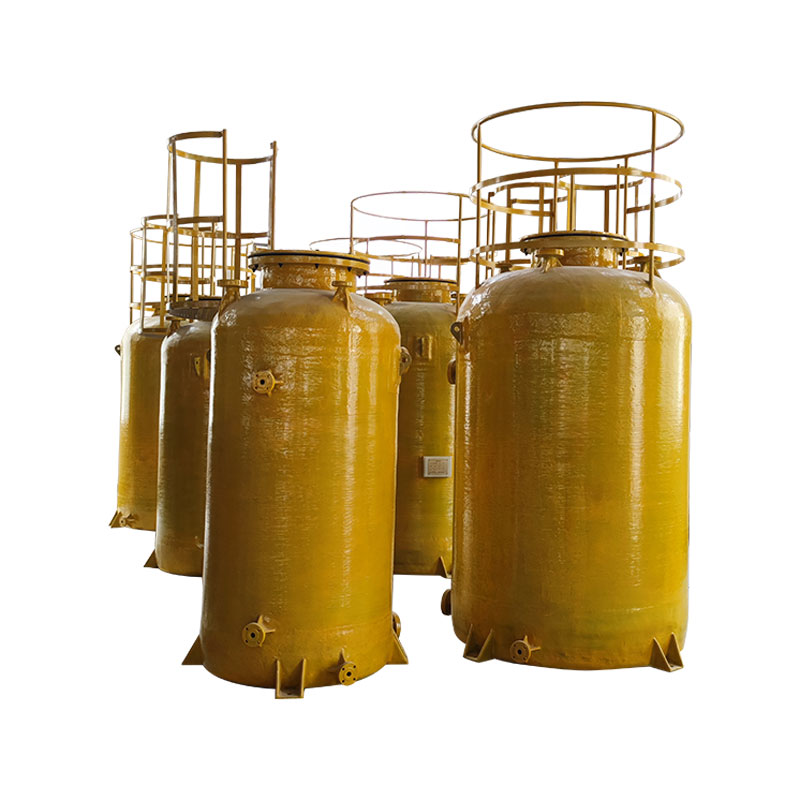
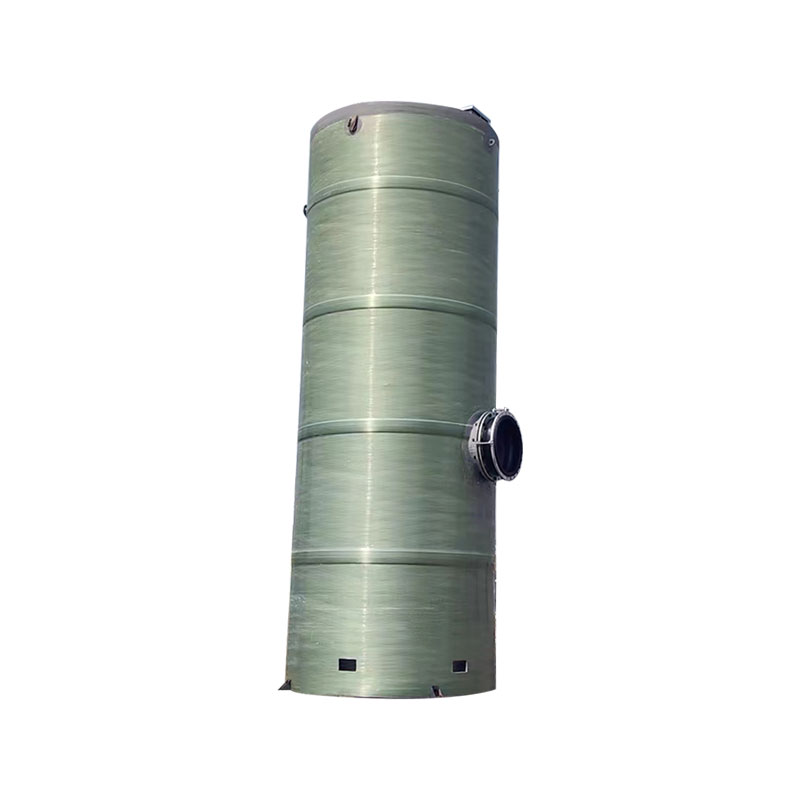
In an era marked by increasing environmental concerns and the need for more efficient water management, the agriculture and irrigation industry is rapidly adopting innovative technologies to enhance water storage and distribution. One such breakthrough is the rise of composite water tanks, which are transforming the way water is stored and utilized in agricultural practices. These tanks, made from advanced composite materials like fiberglass-reinforced polymers (FRP) or polyethylene blends, offer numerous benefits over traditional water storage solutions such as concrete, steel, or plastic tanks. Their lightweight, durable, and corrosion-resistant properties are making them the preferred choice for farmers, irrigation systems, and agricultural facilities worldwide.
The Evolution of Water Storage in Agriculture
Water has always been one of the most critical resources for agriculture. From irrigating crops to providing drinking water for livestock, efficient water storage and management are essential for ensuring the success of agricultural operations. Historically, water storage solutions in agriculture were limited to materials such as wooden barrels, concrete tanks, and metal reservoirs, each of which had their own set of limitations.
Concrete and metal tanks, for example, are often heavy, prone to rust or corrosion, and difficult to install or relocate. While they offer durability, they can be expensive to maintain and are susceptible to cracking or leaking over time. Moreover, concrete tanks require a significant amount of space, which can be a challenge on farms with limited land or those looking for more flexible water storage options. In addition, traditional materials like metal and concrete are not always the best insulators, which can lead to water temperature fluctuations that affect the quality of stored water.
In recent years, however, composite materials—specifically fiberglass-reinforced plastic (FRP) and polyethylene—have emerged as ideal alternatives for water storage in agriculture. Their inherent properties, such as corrosion resistance, lightweight nature, and strength, make composite water tanks a superior option compared to traditional materials, leading to their rapid adoption in the industry.
Advantages of Composite Water Tanks in Agriculture
Durability and Longevity
One of the most significant advantages of composite water tanks is their durability. Unlike concrete or metal tanks, composite tanks are highly resistant to corrosion, rust, and other forms of degradation. This makes them ideal for use in environments where exposure to moisture, chemicals, or extreme weather conditions is common. In agriculture, where tanks are often exposed to harsh outdoor elements such as UV rays, rain, and temperature fluctuations, composite tanks can withstand these conditions for decades without significant wear or structural damage.
For example, fiberglass tanks, which are widely used in agricultural settings, do not degrade over time due to exposure to water, making them a much more reliable long-term investment compared to traditional materials. This durability translates into lower maintenance costs and longer service life, which is especially important for farmers who need to manage their resources efficiently.
Lightweight and Easy to Install
Composite water tanks are significantly lighter than concrete or steel alternatives. This characteristic makes them easier to transport, handle, and install, even in remote or hard-to-reach locations. For farmers with large-scale irrigation systems or those in areas with limited access to heavy machinery, the lightweight nature of composite tanks allows for quicker, more cost-effective installations.
Additionally, the flexibility and modularity of composite tanks allow them to be customized in size and shape to suit specific needs. Whether a farm requires a small, portable water storage tank or a large-scale, fixed installation, composite water tanks can be tailored to fit the requirements. Their ease of installation reduces the need for costly labor and heavy equipment, making them a more economical option for farms of all sizes.
Resistance to Corrosion and Chemicals
Water used for irrigation often contains chemicals, such as fertilizers, pesticides, and salts, that can accelerate the corrosion of traditional steel or concrete tanks. Composite water tanks, however, are resistant to most chemicals, which ensures that the stored water remains clean and free from contaminants. This is particularly important in agriculture, where water quality is directly tied to crop health and yields.
Fiberglass and polyethylene tanks, for instance, are highly resistant to the effects of chlorine, fertilizers, and other agricultural chemicals. The durability of these materials ensures that they do not leach chemicals into the water, preserving the quality and integrity of the stored water. This resistance to corrosion also minimizes maintenance costs and ensures that the tank remains functional for many years.
Temperature Regulation and Insulation
Temperature control is another critical aspect of water storage in agriculture. Water that is too hot or too cold can have detrimental effects on crops and livestock. Traditional metal or concrete tanks can heat up quickly under the sun, leading to water that is too warm for irrigation, which can stress plants or even cause them to wilt. Conversely, during cold weather, water in traditional tanks can freeze, rendering it unusable.
Composite water tanks, on the other hand, have excellent insulating properties, which help maintain the temperature of the stored water within an ideal range. The materials used in composite tanks prevent rapid temperature changes, ensuring that the water remains at a stable temperature throughout the year. This is particularly beneficial for agricultural operations that depend on consistent water quality for irrigation, livestock hydration, and other essential tasks.
Eco-Friendly and Sustainable
Sustainability is becoming an increasingly important consideration in agriculture, and composite water tanks offer a significant environmental advantage. Many composite tanks are made from recycled materials, such as recycled plastics or fiberglass, which reduces their carbon footprint compared to traditional materials. Additionally, the longer lifespan and lower maintenance requirements of composite tanks contribute to less waste and fewer resources spent on repairs or replacements.
In regions where water scarcity is a growing concern, composite water tanks can also play a role in water conservation efforts. Their ability to store large quantities of water efficiently means that farmers can better manage their irrigation needs, reducing waste and optimizing water use during dry seasons or periods of drought. This helps to ensure that water resources are used wisely and that crops remain hydrated even when water is scarce.
The Role of Composite Water Tanks in Irrigation Systems
Water storage is a fundamental component of irrigation systems, and composite tanks are increasingly being integrated into these systems to improve efficiency and sustainability. In both large-scale agricultural operations and smaller farms, composite water tanks are being used to store water for irrigation, rainwater harvesting, and even for use in drip irrigation systems.
For example, rainwater harvesting systems are gaining popularity in agriculture as a way to reduce reliance on municipal water supplies and ensure that water is readily available during the growing season. Composite water tanks are ideal for storing harvested rainwater, as their resistance to corrosion and chemicals ensures that the water remains safe for agricultural use. The tanks can be strategically placed throughout farms to capture rainwater and store it for later use, thus helping farmers reduce their water consumption and lower costs.
Additionally, composite tanks are often used in conjunction with drip irrigation systems, which are designed to deliver water directly to the roots of plants in a controlled manner. This method not only conserves water but also improves crop yields by ensuring that plants receive the optimal amount of water. Composite tanks are perfectly suited for storing water in these systems, as their ability to regulate temperature and resist chemical contamination ensures that the water remains clean and effective for irrigation.
Addressing Water Scarcity and Sustainability Challenges
Water scarcity is a growing concern worldwide, particularly in regions with arid climates or where droughts are becoming more frequent. Composite water tanks play a vital role in helping farmers manage water resources more efficiently, ensuring that water is stored securely and remains available for crops when needed most.
In countries with limited access to fresh water or where water infrastructure is lacking, composite water tanks provide an effective and affordable solution for storing and distributing water to agricultural areas. Their low cost, ease of installation, and durability make them an ideal option for farms looking to invest in sustainable water storage solutions.
By improving water management practices, composite water tanks are contributing to more sustainable agricultural practices. They enable farmers to optimize water use, reduce waste, and increase crop production while simultaneously addressing the global challenge of water scarcity.



 Tiếng Việt
 عربى
عربى Get a quote

 Tel: +86 0515-86302568
  E-mail:
  Add: No. 11, Xingwang Road, Jianyang Town, Jianhu County, Jiangsu Province, China