In industrial, commercial, and even residential applications, safety and efficiency are paramount concerns. One of the key components in achieving both of these goals in various environments is the flooring system. Among the many options available, FRP grating has emerged as an ideal solution. Whether used in factories, power plants, offshore platforms, or walkways, FRP grating plays a crucial role in enhancing safety while simultaneously improving operational efficiency.
Understanding FRP Grating
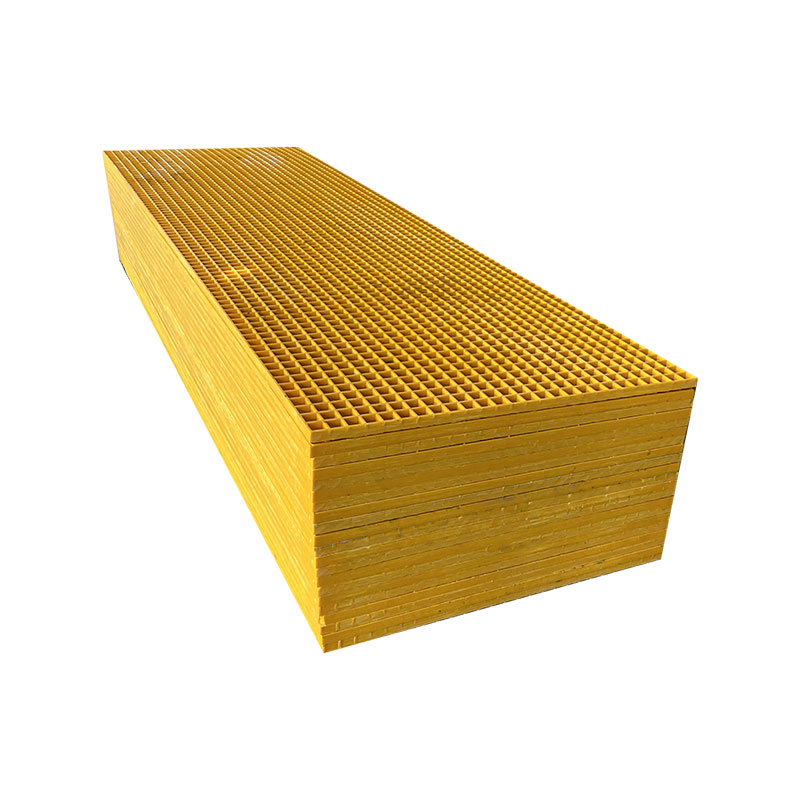
FRP grating is a type of grating made from a composite material that combines fiberglass with resin. This combination creates a lightweight yet incredibly strong material that is resistant to corrosion, impacts, and harsh environmental conditions. FRP grating is commonly used in a wide range of industries due to its versatility, durability, and ease of installation.
The key features of FRP grating include:
- Corrosion Resistance: The materials used in FRP grating are highly resistant to chemicals and environmental factors that can cause corrosion. This makes it particularly suitable for use in industries like chemical processing, wastewater treatment, and marine environments.
- High Load-Bearing Capacity: FRP grating can withstand heavy loads and is often used in high-traffic areas or industrial settings where other materials might deteriorate more quickly.
- Slip Resistance: FRP grating has natural slip-resistant properties, which are crucial for preventing accidents in workplaces where water, oil, or other liquids may spill.
- Lightweight: Compared to traditional materials such as steel or concrete, FRP grating is significantly lighter, which makes it easier to handle, install, and transport.
How FRP Grating Enhances Workplace Safety
Workplace safety is a critical concern across all industries. In many sectors, such as manufacturing, oil and gas, marine, and construction, workers are exposed to environments that can present serious safety risks. Here’s how FRP grating can help mitigate these risks:
Slip Resistance for Hazardous Environments
In environments where liquids like water, oil, chemicals, or other hazardous materials are present, the risk of slipping is significantly higher. Falls caused by slippery floors can lead to serious injuries and even fatalities, making slip resistance a top priority in safety standards.
FRP grating is designed with non-slip surfaces that are ideal for areas prone to spills. The surface of FRP grating can be engineered with anti-slip properties, such as serrated or textured surfaces, which greatly reduce the chances of slipping. Whether installed in a factory, chemical plant, or on a dock, FRP grating ensures that workers have a stable footing, even in wet or slippery conditions.
Corrosion Resistance in Harsh Environments
In many industries, floors and walkways are exposed to corrosive substances such as chemicals, salts, or acids. Traditional materials like steel or wood may degrade quickly when exposed to such environments, creating dangerous situations for workers and increasing maintenance costs.
Unlike steel, which can corrode over time, FRP grating is resistant to the effects of corrosion. This makes it an ideal choice for industries such as oil and gas, chemical processing, and wastewater treatment, where corrosive substances are commonly used. By preventing the degradation of walkways and platforms, FRP grating not only enhances worker safety but also reduces the need for frequent replacements and repairs.
Lightweight Design for Easier Installation and Maintenance
The lightweight nature of FRP grating makes it easier and safer to handle during installation and maintenance. In hazardous environments, where heavy lifting equipment might be required for traditional grating systems, FRP grating simplifies the process. Its ease of installation reduces the amount of time workers need to spend in potentially hazardous areas, thus minimizing the risk of injury during installation.
Additionally, FRP grating requires minimal maintenance. Unlike metal grating, which can rust and deteriorate, FRP grating remains intact even after years of use in harsh environments. This long-term durability ensures that workers are not exposed to hazards caused by worn-out flooring, which can lead to accidents and injuries.
Improved Visibility and Safety at Night
In many industrial applications, especially those in outdoor or remote locations, operations often continue during the night or in poorly lit conditions. The reflective qualities of FRP grating enhance visibility, ensuring that workers are more easily seen. This is especially important in areas with heavy machinery or where workers may be operating in close proximity to vehicles.
Reflective surfaces or brightly colored grating help improve visibility in low-light conditions, reducing the risk of accidents caused by poor visibility.
How FRP Grating Improves Workplace Efficiency
While safety is the primary concern, efficiency is equally important in any workplace. An efficient workspace is one that maximizes productivity while minimizing downtime and safety-related interruptions. Here’s how FRP grating helps improve efficiency in various settings:
Durability and Longevity
One of the biggest factors that can affect workplace efficiency is downtime caused by equipment failure or the need for repairs. In industries that rely on high-traffic walkways, platforms, or grating systems, the need for durable materials that can withstand constant wear and tear is crucial.
FRP grating is designed for high durability. It resists corrosion, impact damage, and wear from heavy foot traffic, ensuring that it remains functional over a long period. Its resistance to weathering and chemical exposure means that the grating won’t require frequent replacements, reducing maintenance costs and downtime. The long lifespan of FRP grating ensures continuous operation in the workplace without the interruption of replacing damaged flooring.
Lightweight Construction for Faster Installation
As mentioned earlier, the lightweight nature of FRP grating simplifies the installation process. This can be particularly beneficial in environments where time is a crucial factor. In construction or industrial projects, reducing the time spent on installing flooring systems can significantly speed up the project’s timeline.
Additionally, the ease of installation means that less labor is required, which reduces costs and minimizes the disruption to daily operations. Workers can focus on their core tasks instead of spending time installing or maintaining complex flooring systems.
Cost-Effectiveness
Although FRP grating may have a higher upfront cost compared to some traditional materials, its long-term cost-effectiveness is undeniable. Due to its durability, corrosion resistance, and low maintenance requirements, FRP grating often saves money in the long run by reducing the need for frequent replacements and repairs.
Moreover, the reduction in workplace accidents and injuries contributes to overall cost savings. Fewer accidents mean lower insurance premiums, fewer workman’s compensation claims, and less time lost due to worker injuries. These savings far outweigh the initial investment in FRP grating, making it a cost-effective choice for many companies.
Customization for Specific Applications
FRP grating can be customized to suit the specific needs of a workplace. It comes in a variety of sizes, shapes, and colors to meet the requirements of different environments. This versatility allows it to be tailored to different industries, whether it’s used in walkways, platforms, stairs, or drain covers.
Customization can also be made based on load-bearing requirements. FRP grating can be designed to support varying levels of weight, from light foot traffic to heavy machinery, ensuring that it’s suitable for the specific needs of the workplace.
Applications of FRP Grating in Different Industries
FRP grating is widely used in a variety of industries, each benefiting from its safety and efficiency-enhancing properties:
- Chemical Processing: The chemical industry often deals with corrosive substances. FRP grating’s corrosion resistance makes it ideal for use in chemical plants, where it is exposed to harsh chemicals and temperature fluctuations.
- Oil and Gas: In offshore platforms and refineries, FRP grating is used for walkways and platforms, offering safety and durability in areas where exposure to saltwater and chemicals is common.
- Wastewater Treatment: Due to its resistance to corrosion and slip resistance, FRP grating is often used in wastewater treatment facilities, where the environment is frequently wet and hazardous.
- Marine: FRP grating is commonly used in marine applications for dockside walkways, platforms, and bridges, where saltwater corrosion is a major concern.
- Construction: In construction sites, FRP grating is used for temporary and permanent flooring solutions, particularly in areas that require easy access and high safety standards.



 Tiếng Việt
 عربى
عربى Get a quote

 Tel: +86 0515-86302568
  E-mail:
  Add: No. 11, Xingwang Road, Jianyang Town, Jianhu County, Jiangsu Province, China