In the face of rapid urbanization, climate change, and growing water scarcity, cities around the world are rethinking their water management systems. As urban populations swell, the demand for efficient, sustainable, and flexible water storage solutions has never been more urgent. Segmented water tanks are emerging as a key innovation in urban water management, offering unique advantages in terms of flexibility, scalability, and ease of maintenance. These modular, adaptable storage solutions are not only transforming how water is stored, but also improving the distribution and use of water in increasingly complex urban environments.
What are Segmented Water Tanks?
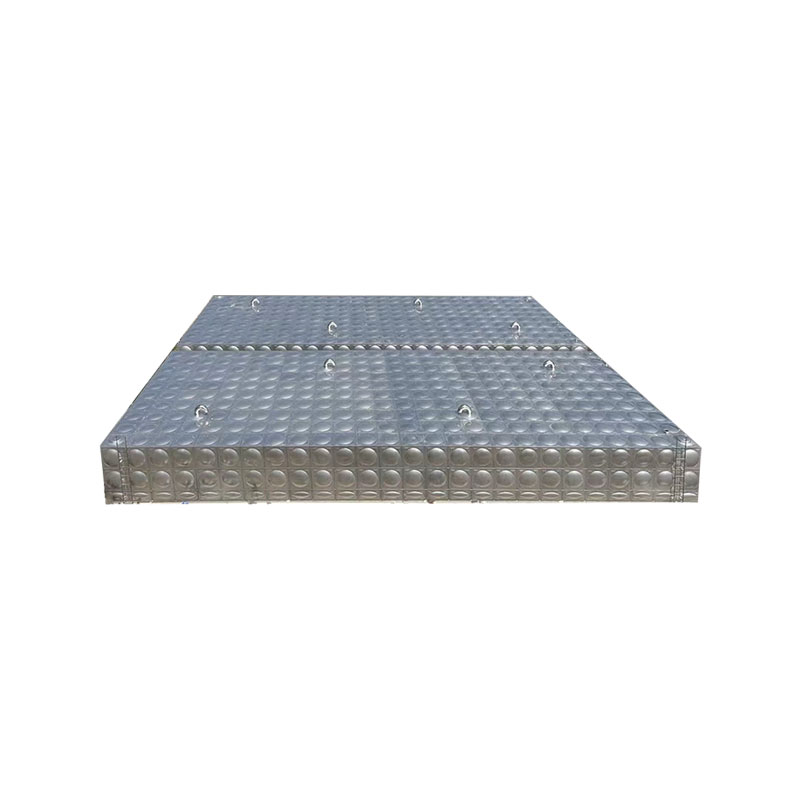
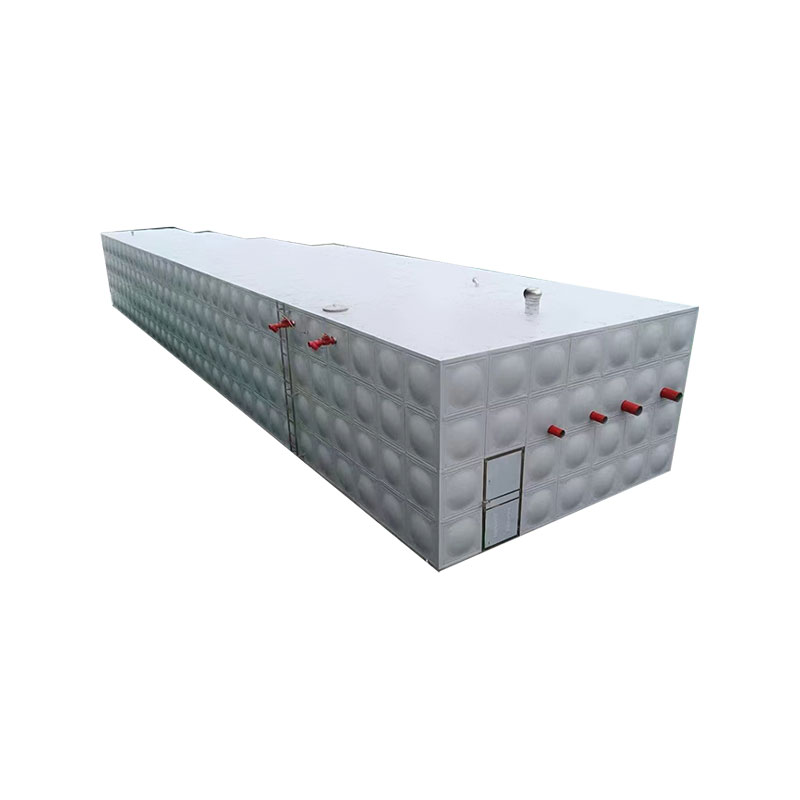
Segmented water tanks, as the name suggests, consist of multiple sections or compartments (or "segments") that can be customized and arranged in various configurations to meet specific water storage needs. Unlike traditional single-tank systems, segmented tanks offer modular designs, allowing for easy expansion, reconfiguration, and maintenance. These tanks can be made from a variety of materials, such as concrete, steel, fiberglass, and high-density polyethylene (HDPE), depending on the intended application and environmental conditions.
The primary advantage of segmented water tanks is their flexibility. Unlike traditional large, monolithic tanks, segmented tanks can be built to any size or shape, and they can be extended or reduced in capacity as needed. This flexibility makes them ideal for urban environments, where space constraints, population growth, and changing water demands require adaptable solutions.
Key Advantages of Segmented Water Tanks in Urban Water Management
Flexibility and Scalability
One of the biggest challenges in urban water management is meeting the ever-changing demands of growing populations and fluctuating water needs. Traditional water tanks, especially large, single-tank systems, can be difficult to scale, requiring expensive and disruptive infrastructure upgrades. Segmented water tanks, on the other hand, can be expanded or contracted with minimal effort. As cities grow or face seasonal shifts in water consumption, these tanks can be easily modified to meet changing needs.
For example, in areas where water demand peaks during certain months (e.g., during the summer), segmented water tanks can be expanded to accommodate increased storage capacity. Conversely, in times of lower demand, portions of the tank can be decommissioned or removed, optimizing space and reducing operational costs. This scalability is particularly beneficial for urban water utilities that need to respond quickly to population growth or environmental challenges like droughts or flooding.
Improved Maintenance and Monitoring
In traditional water tank systems, maintenance and repairs often require draining the entire tank and halting water distribution, which can cause significant disruptions to service. With segmented water tanks, individual sections or compartments can be isolated for maintenance or cleaning without interrupting the entire water supply. This modular approach allows for more efficient and less disruptive maintenance, reducing downtime and ensuring a continuous water supply.
Additionally, the smaller, more manageable size of segmented tanks allows for easier monitoring. Water quality can be monitored in each individual section, making it easier to detect any contamination or issues in a specific part of the tank. This localized approach to maintenance improves the overall reliability and safety of the water supply, ensuring that potential problems are identified and addressed quickly.
Space Efficiency and Adaptability in Urban Environments
Urban spaces are often limited, and finding room for large, traditional water storage tanks can be a challenge. Segmented water tanks are highly adaptable, allowing them to be installed in constrained spaces or integrated into existing infrastructure. Their modular nature means they can be built around existing urban structures, such as buildings or underground tunnels, and customized to fit available space.
For example, segmented water tanks can be installed beneath parking lots, green spaces, or even on rooftops in cities where space is at a premium. In fact, some cities have already begun using segmented tanks for rainwater harvesting on rooftops or for stormwater management, converting otherwise unused urban spaces into valuable water storage areas.
Moreover, segmented tanks can be designed to fit into irregularly shaped areas, making them ideal for cities with complex topographies or urban layouts. This adaptability ensures that water storage infrastructure can be incorporated seamlessly into urban landscapes without taking up valuable land that could be used for other purposes.
Enhancing Resilience in Urban Water Systems
Urban resilience—the ability to withstand and recover from environmental shocks—is a growing concern for cities worldwide. Segmented water tanks play a crucial role in enhancing the resilience of urban water systems by providing decentralized, redundant storage options. In the event of a natural disaster, such as a flood, earthquake, or storm, segmented water tanks can act as backup systems, ensuring that critical water supplies remain intact.
In flood-prone areas, segmented tanks can be designed to withstand the impact of rising water levels. Similarly, by utilizing multiple, smaller tanks spread across the city, water storage can remain distributed, reducing the risk of a single point of failure. In case of damage to one tank, others can continue to function, ensuring that residents and businesses still have access to clean water.
Moreover, segmented tanks are easier to retrofit or relocate than large, traditional tanks. This makes them an ideal solution for adapting to changing environmental conditions and evolving city infrastructures.
Supporting Sustainable Water Management Practices
Sustainability is a major priority in modern urban planning, and segmented water tanks are well-suited to support eco-friendly water management practices. These tanks can be used for a variety of sustainable water management initiatives, such as rainwater harvesting, stormwater collection, and wastewater treatment.
For example, segmented tanks can be used in conjunction with green roofs or urban rainwater harvesting systems to capture and store rainwater for non-potable uses, such as irrigation, industrial processes, or toilet flushing. By utilizing rainwater, cities can reduce their reliance on municipal water supplies and lower water treatment costs.
In stormwater management, segmented tanks can store runoff from heavy rainfall events, preventing flooding and reducing the risk of water pollution. Stormwater can then be treated and gradually released into the municipal water system, improving urban drainage and minimizing environmental damage. This decentralized approach to water storage and management is both efficient and sustainable, aligning with global efforts to create more environmentally resilient cities.
Cost-Effectiveness and Reduced Infrastructure Costs
The modular nature of segmented water tanks also contributes to cost savings. Traditional water storage systems often require extensive infrastructure, including large, reinforced tanks, pumps, and pipelines. These systems can be costly to install and maintain. In contrast, segmented water tanks are typically less expensive to build and maintain, thanks to their scalability and modularity. As a result, urban municipalities can invest in water storage solutions that meet their needs without exceeding their budgets.
Additionally, because segmented tanks require less maintenance, cities can save on long-term operational costs. The ability to install tanks in existing urban spaces also reduces the need for new construction projects, further lowering expenses.
Applications of Segmented Water Tanks in Urban Areas
Rainwater Harvesting and Storage
Rainwater harvesting has become a vital component of sustainable water management in urban areas. Segmented water tanks are ideal for collecting and storing rainwater, especially in cities with limited natural water sources. By capturing rainwater from roofs or other surfaces, cities can reduce their reliance on potable water supplies and alleviate pressure on municipal water systems.
Stormwater Management
Urban areas are prone to flooding during heavy rainfall, and traditional stormwater management systems often struggle to cope with the volume of water. Segmented water tanks can store stormwater runoff, helping to prevent flooding and reduce the burden on drainage systems. This also allows for the controlled release of water into natural systems, preventing erosion and improving water quality.
Emergency Water Supply
In the event of a natural disaster or other emergencies, segmented water tanks can provide a reliable backup water supply for cities. Their modular design allows for decentralized storage in multiple locations, ensuring that residents have access to clean water even if part of the system is damaged or compromised.
Urban Agriculture and Irrigation Systems
With the increasing popularity of urban farming and green spaces, segmented water tanks are also playing a role in irrigation. By storing water for urban gardens, rooftop farms, and community irrigation systems, these tanks support local food production and promote self-sufficiency in urban areas.



 Tiếng Việt
 عربى
عربى Get a quote

 Tel: +86 0515-86302568
  E-mail:
  Add: No. 11, Xingwang Road, Jianyang Town, Jianhu County, Jiangsu Province, China