When natural disasters strike—whether they are hurricanes, earthquakes, floods, or droughts—one of the most immediate and critical challenges is securing an adequate supply of clean water. Water is essential for drinking, sanitation, hygiene, and medical care, and in the chaos of a disaster, access to water can become scarce or completely cut off. This is where water storage equipment plays a crucial role. From large-scale systems designed to store water in the event of a disaster to portable solutions used by humanitarian aid organizations in crisis zones, the availability of effective water storage solutions is vital for emergency preparedness and disaster relief efforts.
The Need for Water in Emergencies
In the aftermath of a disaster, access to water is often disrupted due to damage to infrastructure, contamination of water supplies, or the inability of local authorities to provide adequate access to clean drinking water. In some cases, water sources may be contaminated by floodwaters, or water systems may be rendered inoperable due to broken pipes or infrastructure damage. In other cases, droughts or fires may leave entire regions without local water sources.
According to the World Health Organization (WHO), it’s estimated that a person needs a minimum of 3 liters of water per day for drinking, with additional water needed for sanitation and hygiene. When communities are forced to rely on emergency relief efforts, water storage solutions become a lifeline that can help prevent dehydration, maintain public health, and support essential recovery activities.
In disaster relief scenarios, water storage equipment helps ensure that clean water is available for the affected population until normal water distribution systems can be restored.
Types of Water Storage Equipment Used in Emergency Relief
Water storage equipment can take many forms, ranging from large-scale storage tanks to portable water containers. The type of equipment used depends on the scale of the disaster, the infrastructure available, and the specific needs of the affected area. Below are some of the key types of water storage equipment used in emergency preparedness and disaster relief:
Water Storage Tanks
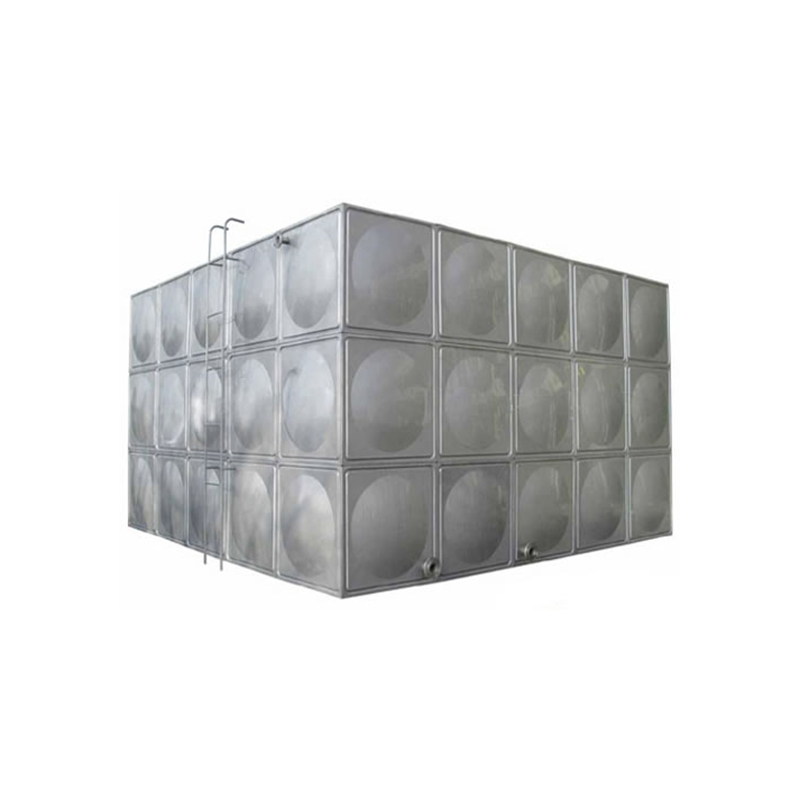
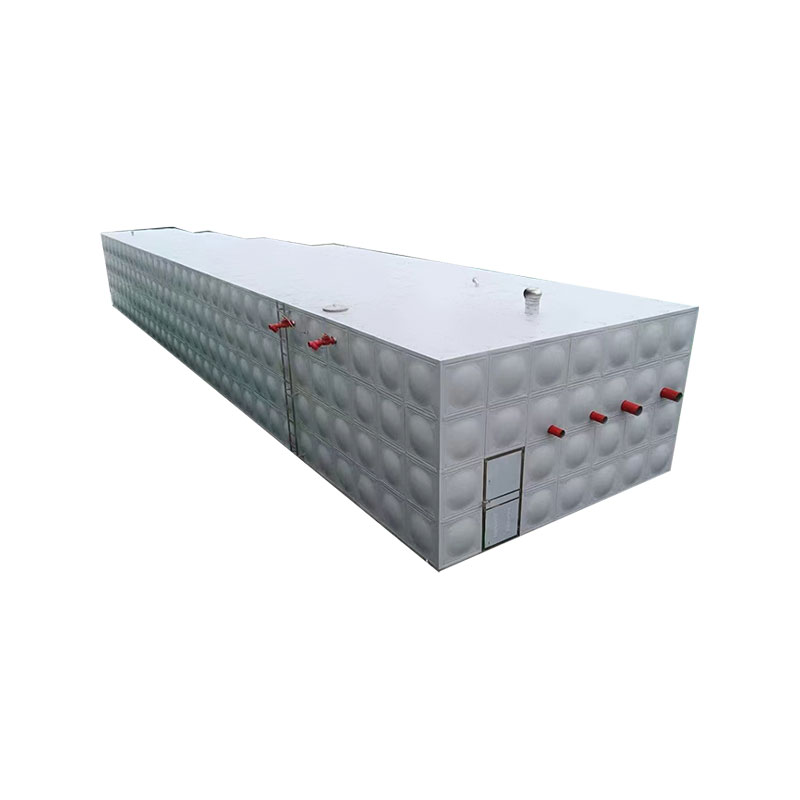
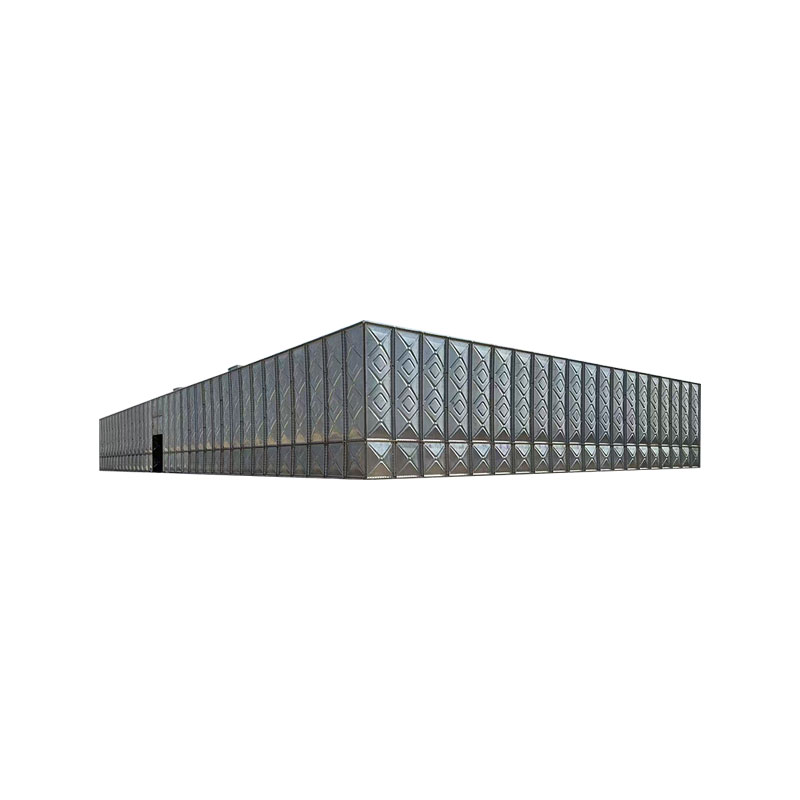
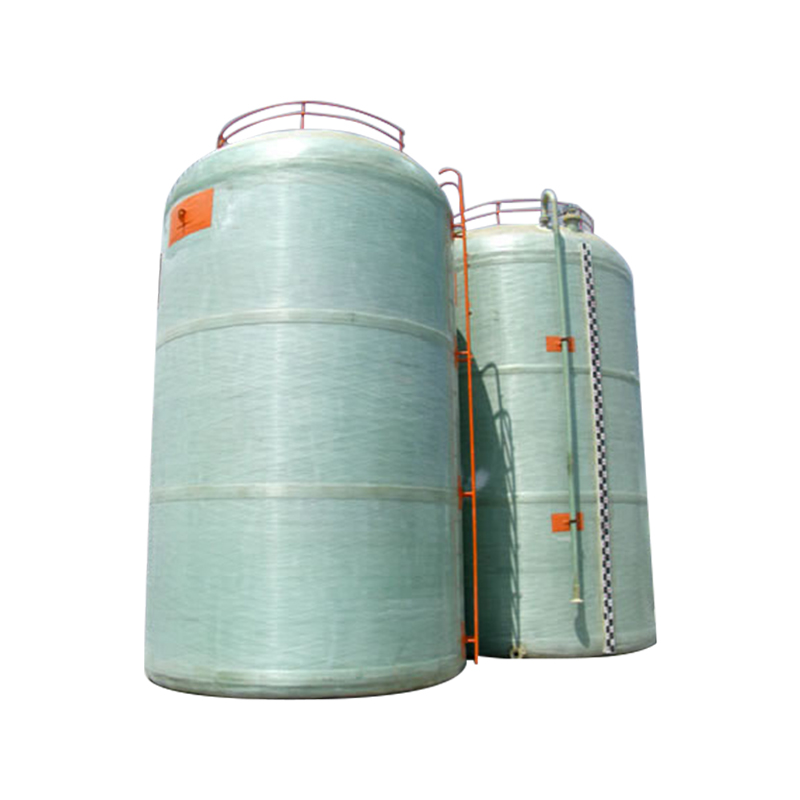
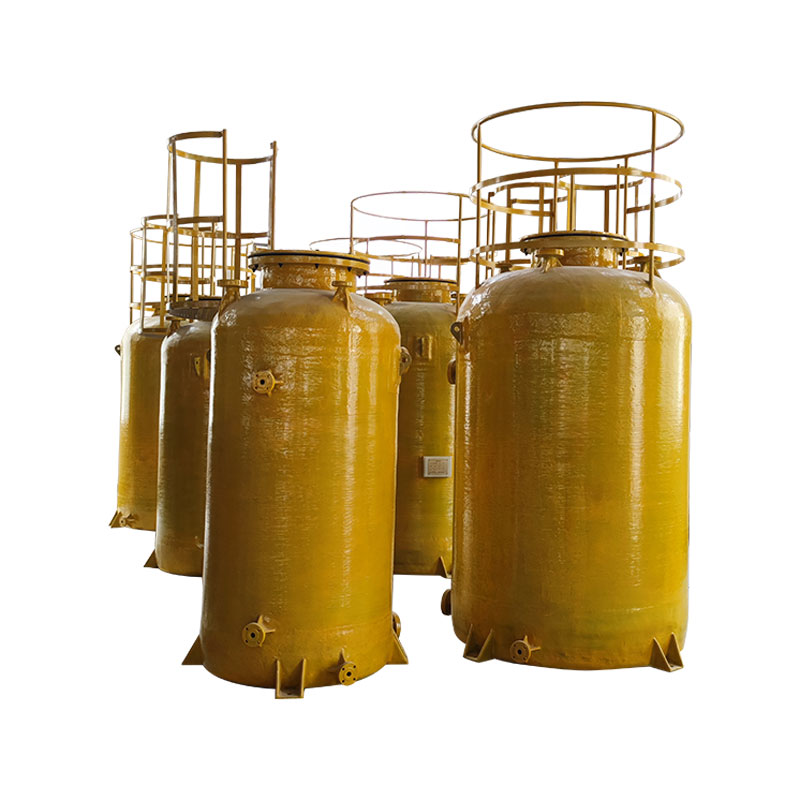
Large water storage tanks are a critical component of emergency water management systems. These tanks are designed to store large quantities of water that can be distributed to affected communities during and after a disaster. In emergency situations, these tanks are often positioned in refugee camps, evacuation centers, or other areas with high populations.
Types: Water storage tanks used in emergency relief are often above-ground or underground, depending on the availability of space and security considerations. Tanks may also come in collapsible or rigid designs, depending on the needs of the situation.
Capacity: These tanks can vary in size, from small, mobile tanks with a capacity of 500 to 1,000 liters, to larger, fixed systems with capacities of tens of thousands of liters.
Materials: Typically made from food-grade polyethylene, fiberglass, or steel, these tanks are built to withstand harsh weather conditions and maintain water quality.
Portable Water Containers
Portable water containers, such as jerry cans and water bags, are commonly used in disaster zones, particularly in remote or rural areas where water distribution systems are not readily available. These containers are designed for individual or small group use, allowing affected people to carry water to where it’s needed most.
Jerry Cans: These durable, easy-to-carry containers are often used in emergencies for storing and transporting water. They are designed to hold anywhere from 10 to 30 liters of water.
Water Bags: These flexible containers can hold large amounts of water (up to 50 liters or more) and are easier to transport in bulk, making them ideal for use in disaster relief operations where large quantities of water need to be distributed quickly.
These portable water containers are essential for delivering clean water directly to individuals and families in the aftermath of a disaster when centralized water distribution networks are not functioning.
Rainwater Harvesting Systems
In some emergency scenarios, particularly in areas that are prone to seasonal rain or flooding, rainwater harvesting systems are an effective way to collect and store water for immediate use. These systems consist of catchment surfaces (usually rooftops), gutters, and storage tanks where rainwater can be funneled, filtered, and stored for consumption.
Scalability: Rainwater harvesting can be adapted to both small-scale household use and large community water storage.
Filtration: Proper filtration is essential to ensure that rainwater is safe to drink. In emergency relief operations, portable filtration systems can be used in conjunction with harvested rainwater to provide safe drinking water.
Water Purification and Filtration Equipment
In addition to storing water, ensuring the water is safe for consumption is another critical task during a disaster. Water purification and filtration equipment are often used in conjunction with storage systems to ensure that water remains clean and free from contaminants.
Portable Filters: In many disaster zones, handheld or portable filters are used to purify water from rivers, lakes, or other natural sources. These filters are small, lightweight, and easy to use, making them ideal for personal use in emergencies.
Large-Scale Purification Systems: For larger-scale operations, mobile water treatment plants or reverse osmosis systems are deployed to purify large quantities of water quickly, ensuring that affected populations have access to clean drinking water.
Desalination Units
In coastal or island areas where freshwater sources are limited, mobile desalination units can be used to convert seawater into drinkable water. These units play a crucial role in disaster relief operations in regions where the freshwater supply is heavily impacted or unavailable.
How Water Storage Equipment Supports Emergency Preparedness
Providing Immediate Access to Safe Water
The most direct benefit of water storage equipment during emergencies is its ability to provide immediate access to safe drinking water. When disaster strikes, the ability to quickly distribute stored water to affected communities can make the difference between life and death. Whether through water storage tanks placed in shelters or portable water containers provided to individuals, the availability of water storage ensures that essential hydration needs are met.
Supporting Hygiene and Sanitation Efforts
Clean water is not only needed for drinking; it is also essential for maintaining hygiene and sanitation in disaster zones. When water supplies are limited, proper hygiene becomes a challenge, increasing the risk of disease outbreaks like cholera and dysentery. Water storage systems allow relief organizations to provide water for handwashing, cleaning wounds, and maintaining sanitary conditions in shelters.
Minimizing the Risk of Waterborne Diseases
Waterborne diseases are a significant risk in emergency settings where water sources may be contaminated by floodwaters, sewage, or damaged infrastructure. By storing water in clean, well-maintained storage containers, and using purification equipment to treat water, the risk of waterborne diseases can be greatly reduced. This helps protect affected populations from additional health crises during disaster recovery.
Long-Term Water Management
In the long term, water storage systems help affected communities rebuild and recover. By storing water for use during recovery efforts, relief agencies can support reconstruction activities such as building shelters, cleaning debris, and restoring critical infrastructure. Storage systems provide a sustainable solution for meeting ongoing water needs until regular water distribution networks can be restored.
Innovations in Water Storage Equipment for Disaster Relief
As the frequency of natural disasters increases due to climate change, innovations in water storage equipment have become essential. New developments focus on increasing storage efficiency, portability, and the ability to purify water on-site:
- Smart Water Storage Systems: These systems use sensors to monitor water quality, detect leaks, and track water usage, ensuring that resources are being used efficiently in disaster zones.
- Modular Storage Units: Modular systems that can be quickly deployed, expanded, and adapted to specific needs are increasingly being used in relief efforts.
- Advanced Filtration Technologies: Mobile filtration units and solar-powered purification systems are making it easier to provide clean water in remote or off-grid locations.



 Tiếng Việt
 عربى
عربى Get a quote

 Tel: +86 0515-86302568
  E-mail:
  Add: No. 11, Xingwang Road, Jianyang Town, Jianhu County, Jiangsu Province, China