In the modern industrial landscape, efficiency is the name of the game. Facilities ranging from wastewater treatment plants to high-end chemical processing units are constantly looking for ways to trim "fat" from their balance sheets. While much attention is paid to energy consumption and labor productivity, one of the most significant—and often overlooked—sources of financial drain is infrastructure maintenance.
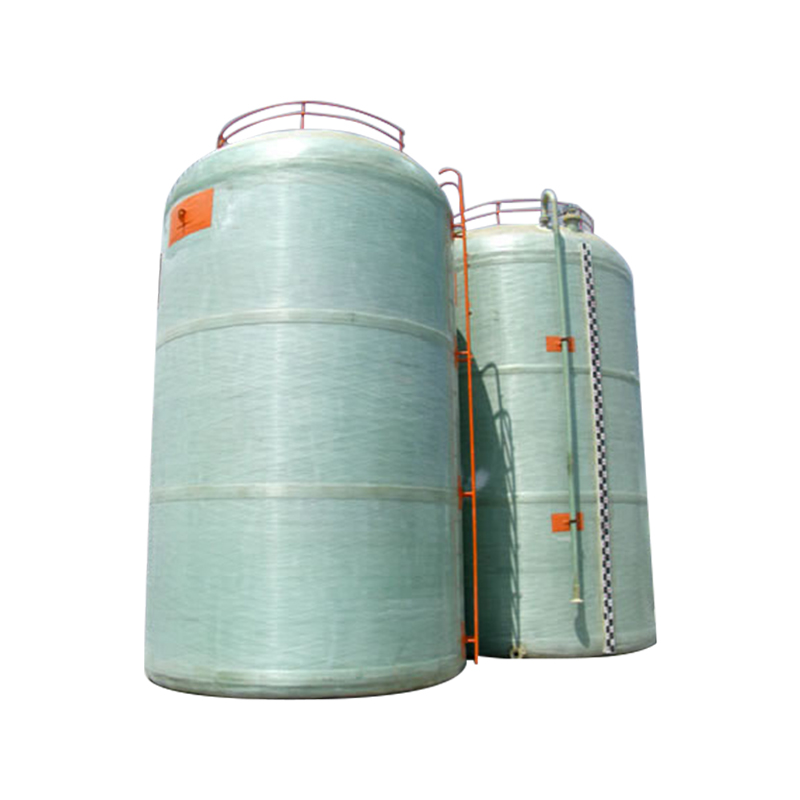
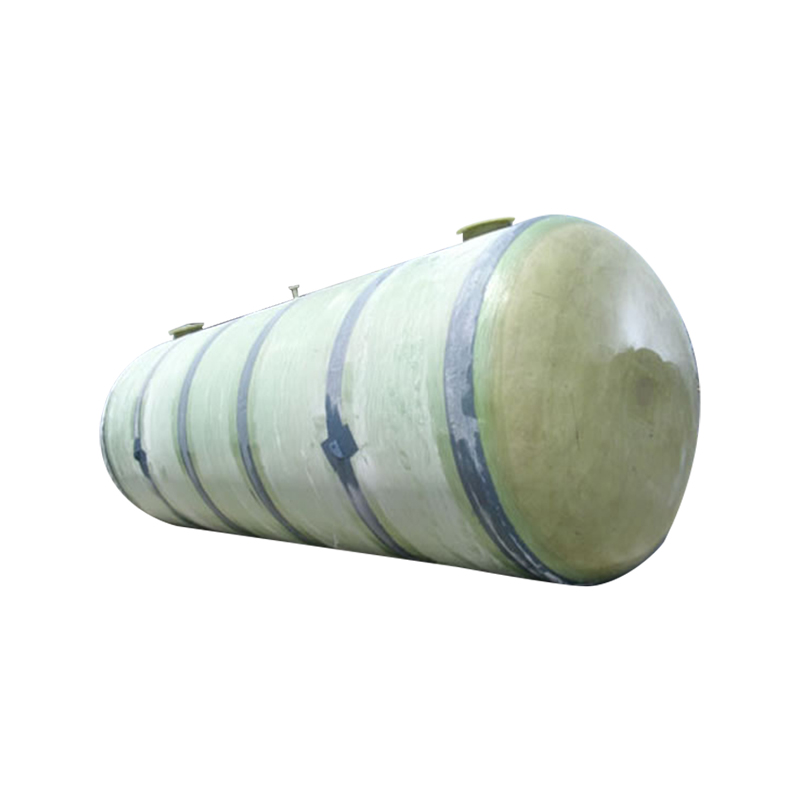
When it comes to fluid containment, the choice of material can dictate your facility's operational budget for the next three decades. This is why more engineers and financial controllers are shifting their focus toward FRP chemical storage tanks (Fiberglass Reinforced Plastic). Often marketed as "maintenance-free" solutions, these tanks are revolutionizing how industries handle aggressive media while simultaneously lowering long-term operational costs.
In this deep dive, we will explore the economic and technical reasons why FRP has become the preferred choice for cost-conscious industrial leaders.
The Myth of the "Cheap" Steel Tank
To understand the savings offered by FRP, we must first look at the hidden costs of its main competitor: steel. On paper, a carbon steel tank might appear to have a lower upfront purchase price. However, the "sticker price" is only the tip of the iceberg.
The Endless Cycle of Re-coating
Steel is chemically unstable when exposed to moisture and oxygen, let alone concentrated acids. To prevent the tank from turning into a pile of rust, it must be lined internally and painted externally. These coatings are not permanent. Over time, chemical abrasion, thermal expansion, and UV exposure cause liners to crack or peel.
For a facility using steel, this triggers an expensive maintenance cycle:
- Downtime: The tank must be drained and taken out of service.
- Surface Prep: Sandblasting or chemical stripping of the old liner.
- Application: Applying specialized epoxy or rubber linings.
- Inspection: Testing for pinholes (spark testing).
Each time this happens, the "cheap" steel tank becomes significantly more expensive than an FRP chemical storage tank.
Corrosion: The Silent Thief
Even with the best coatings, "under-film corrosion" can occur. This is where a small breach allows chemicals to eat the steel from the inside out, often invisible until a leak occurs. The cost of an emergency spill cleanup, environmental fines, and unplanned production halts can dwarf the original cost of the tank itself.
Why FRP is Naturally "Maintenance-Free"
The term "maintenance-free" isn't just a marketing buzzword; it’s a reflection of the material science behind FRP chemical storage tanks. Unlike metals, which are homogenous materials that corrode, FRP is a composite. It consists of a resin matrix and glass fiber reinforcement.
Built-in Corrosion Resistance
When you order a tank from a professional manufacturer, the "Corrosion Barrier" (the inner 100-150 mils of the tank) is engineered specifically for your chemical. If you are storing Hydrochloric Acid, a vinyl ester resin is used that is chemically inert to that acid. The resistance isn't a "coating" that can flake off—it is the structural makeup of the tank wall itself.
Immunity to Environmental Factors
- UV Resistance: Quality FRP tanks are manufactured with UV stabilizers in the exterior gel coat. This means they can sit in the direct sun for 30 years without the structural degradation or "chalking" that affects many plastics.
- Zero Rust: Because there is no iron in fiberglass, it can be installed in salty coastal environments or humid underground pits without ever needing a drop of paint to prevent rust.
Quantifying the Operational Savings
If we look at a 20-year lifecycle, the cost-benefit analysis of FRP chemical storage tanks becomes undeniable. Let’s break down where the money is actually saved.
Reduced Installation Labor
FRP is approximately 25% the weight of steel. This high strength-to-weight ratio means:
- Smaller Cranes: You don't need a heavy-duty rig to move an FRP tank into place.
- Simpler Foundations: Because the dead load is lower, foundation requirements are often less stringent.
- Faster Hookups: FRP can be easily drilled and fitted with nozzles on-site if minor adjustments are needed, whereas steel requires certified welders and post-weld heat treatments.
Eliminating Cathodic Protection
In underground applications, steel tanks require "cathodic protection"—a system of sacrificial anodes and electrical monitoring to prevent soil-based corrosion. FRP chemical storage tanks are non-conductive and naturally resistant to "hot" soils. This eliminates the need for expensive monitoring systems and the electricity required to run them.
Thermal Insulation Benefits
Fiberglass has much lower thermal conductivity than metal. For chemicals that must be kept at a specific temperature (to prevent crystallization or to maintain viscosity), FRP acts as a natural insulator.
- Steel Tank: Requires thick layers of external insulation and high-wattage immersion heaters.
- FRP Tank: Retains heat better, leading to lower monthly utility bills for temperature-controlled storage.
Safety and Longevity: The Indirect Savings
While it’s easy to calculate the cost of paint, it’s harder to calculate the cost of "peace of mind." However, safety directly impacts insurance premiums and regulatory compliance costs.
Leak Prevention
High-quality FRP chemical storage tanks are often manufactured using filament winding. This creates a seamless, continuous glass strand structure that is incredibly resistant to internal pressure. Fewer seams mean fewer potential leak points. In a world where environmental regulations are tightening, the leak-free track record of FRP prevents the catastrophic "legal costs" associated with groundwater contamination.
Extended Service Life
It is common to find FRP tanks in the field that have been in continuous service since the 1980s or 90s. While a steel tank in a harsh chemical environment might be replaced every 12-15 years, an FRP tank is often a "buy it once" investment. Spreading the initial capital expenditure over 30 years instead of 15 effectively halves your annualized equipment cost.
Is FRP Right for Every Application?
To be fair and transparent, FRP is an engineered solution, and like any tool, it must be used correctly. Engineers typically prefer FRP chemical storage tanks for:
- Strong Acids: HCl, Sulfuric Acid (up to 70%), Phosphoric Acid.
- Bleaches & Bases: Sodium Hypochlorite, Caustic Soda.
- Water Treatment: Ferric Chloride, Alum, Brine.
The only areas where steel still holds the advantage are in extremely high-pressure vessels or applications where temperatures consistently exceed 250°F (120°C). For the vast majority of atmospheric chemical storage, however, fiberglass is the undisputed king of ROI.



 Tiếng Việt
 عربى
عربى Get a quote

 Tel: +86 0515-86302568
  E-mail:
  Add: No. 11, Xingwang Road, Jianyang Town, Jianhu County, Jiangsu Province, China