Water is one of the most essential resources for daily life, whether it’s for drinking, cleaning, irrigation, or industrial purposes. As the demand for water storage solutions continues to rise, stainless steel sectional water tanks have become an increasingly popular choice for both commercial and residential applications. Known for their durability, safety, and versatility, these tanks offer a wide range of benefits that make them an ideal option for storing water in diverse environments.
Superior Durability and Longevity
One of the primary reasons stainless steel sectional water tanks have gained widespread popularity is their exceptional durability. Made from high-quality stainless steel, these tanks are resistant to corrosion, rust, and wear, even in harsh environmental conditions. This makes them a long-term solution for water storage that can last for decades with minimal maintenance.
-
Corrosion Resistance: Stainless steel is naturally resistant to corrosion, making it ideal for storing water in both commercial and residential settings. Whether exposed to high humidity, rain, or extreme temperatures, stainless steel sectional water tanks maintain their integrity without deteriorating over time.
-
Impact Resistance: Unlike plastic or concrete tanks, stainless steel sectional water tanks are tough and can withstand physical impacts. This makes them suitable for locations with a high risk of damage from external forces, such as earthquakes or storms.
-
Maintenance-Free: Stainless steel requires very little maintenance compared to other materials like concrete or plastic, which may require frequent inspections and repairs. This reduces the overall cost of ownership over time.
Enhanced Water Quality and Purity
Water quality is a critical concern, especially when it comes to storing water for drinking, cooking, or industrial use. Stainless steel sectional water tanks are non-reactive and non-porous, meaning they do not leach harmful chemicals into the water, unlike some plastic or concrete alternatives. This ensures that the water stored in these tanks remains clean, fresh, and free from contamination.
-
Non-Toxic Material: Stainless steel is a food-grade material, meaning it does not release harmful toxins into the water, ensuring safe and healthy water storage for both commercial and residential applications.
-
Prevention of Algae Growth: Due to their smooth and sealed surfaces, stainless steel tanks minimize the chances of algae growth and bacterial contamination, which can be common in plastic or concrete tanks exposed to sunlight.
-
Water Purity Preservation: Stainless steel's resistance to corrosion and contamination ensures that the water stored inside the tank maintains its quality, especially for applications where purity is essential, such as drinking water storage or pharmaceutical manufacturing.
Customizable and Modular Design
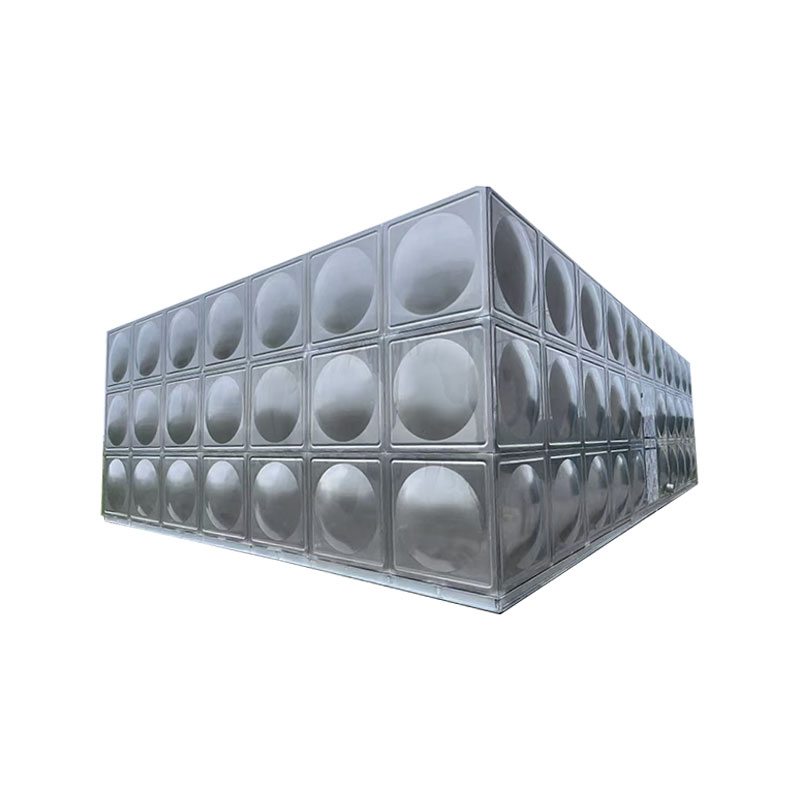
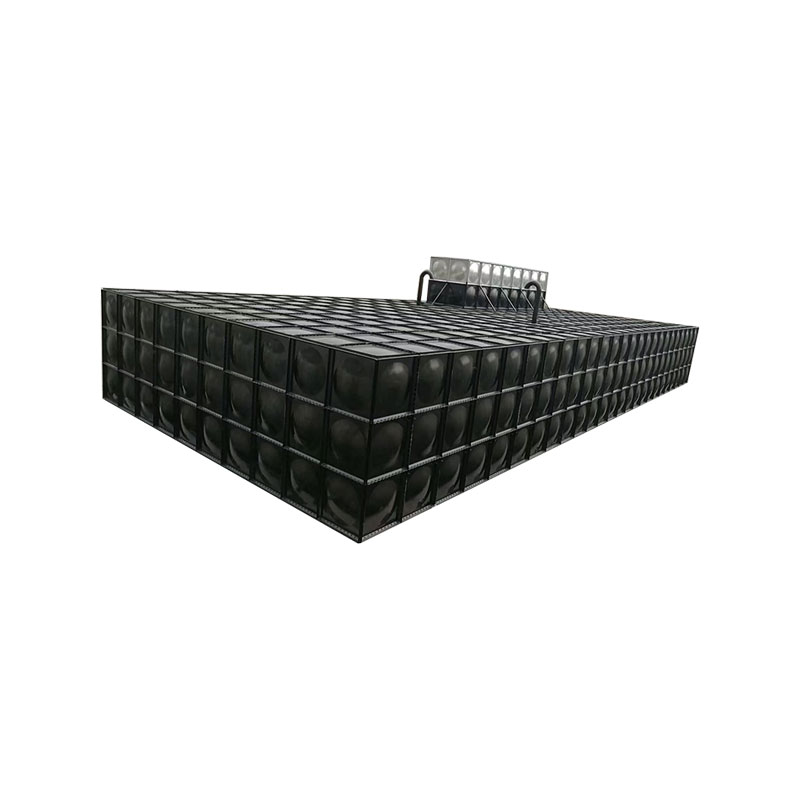
Another key advantage of stainless steel sectional water tanks is their modular design, which offers great flexibility in both installation and capacity. Unlike traditional, rigid water tanks, sectional tanks are made up of individual panels that can be assembled and disassembled as needed.
-
Space Efficiency: The modular nature of these tanks allows them to be easily customized to fit available space, making them ideal for both large commercial buildings and residential properties with limited space. Whether you need a small water storage unit for a home or a large-scale solution for a factory, sectional tanks can be tailored to meet the exact requirements.
-
Scalable Capacity: Stainless steel sectional water tanks allow for easy expansion. As your water storage needs grow, you can simply add more sections to increase the tank’s capacity. This is particularly useful for businesses or residential complexes that may need to adjust their storage solutions as water demand fluctuates.
-
Easy Installation: The modular nature of these tanks makes installation relatively simple. Unlike large, monolithic tanks, sectional tanks can be assembled on-site, reducing transportation costs and enabling installation in difficult-to-reach areas.
Cost-Effective Investment
While the initial cost of stainless steel sectional water tanks may be higher than alternatives such as plastic or concrete tanks, their long-term value is undeniable. These tanks are designed to last for decades, reducing the need for frequent replacements and repairs, making them a cost-effective investment over time.
-
Low Maintenance Costs: Stainless steel tanks require minimal maintenance. The occasional cleaning and inspection is usually all that is needed to keep the tank in excellent condition. This reduces the long-term operational costs compared to tanks that are prone to corrosion or cracking.
-
Energy Efficiency: Because of their durability and ability to withstand high temperatures and pressure, stainless steel sectional water tanks are ideal for use in industries that require heated water storage or pressure systems. Their insulating properties can help reduce energy consumption by maintaining water temperature for longer periods, resulting in cost savings.
-
Reduced Replacement Costs: Unlike other types of water storage tanks, stainless steel sectional tanks don’t need to be replaced frequently. This can save substantial money in the long run, especially for businesses or residential complexes that rely on large-scale water storage.
Environmental Benefits
As awareness about sustainability grows, stainless steel sectional water tanks are becoming an increasingly popular choice for environmentally conscious businesses and homeowners. Stainless steel is a recyclable material, meaning that these tanks contribute to reducing waste and have a lower environmental impact than other types of tanks.
-
Eco-Friendly Material: Stainless steel is 100% recyclable without losing its properties. At the end of its lifespan, a stainless steel sectional water tank can be fully recycled, making it a more environmentally friendly choice compared to plastic tanks, which can take hundreds of years to decompose.
-
Energy Conservation: Stainless steel tanks help maintain water temperature for longer periods, reducing the need for additional heating or cooling. This energy efficiency translates into lower carbon footprints and reduced utility costs for both commercial and residential users.
-
Sustainable Water Management: Stainless steel sectional water tanks support rainwater harvesting and water conservation efforts, which are essential for sustainability in water-scarce regions. By storing large amounts of water for later use, these tanks help mitigate the impact of droughts and support sustainable water usage practices.
Seismic and Weather Resistance
In regions prone to earthquakes, storms, or other natural disasters, the structural integrity of water storage tanks is paramount. Stainless steel sectional water tanks are known for their resilience to seismic activity and extreme weather conditions.
-
Seismic Resilience: Stainless steel tanks, especially those with modular panels, are capable of absorbing the shock from earthquakes without cracking or breaking, making them ideal for areas with seismic activity.
-
Weatherproof: Stainless steel’s ability to withstand harsh weather conditions—such as high winds, heavy rainfall, or extreme temperatures—makes it a reliable option for year-round water storage in regions prone to such challenges.



 Tiếng Việt
 عربى
عربى Get a quote

 Tel: +86 0515-86302568
  E-mail:
  Add: No. 11, Xingwang Road, Jianyang Town, Jianhu County, Jiangsu Province, China