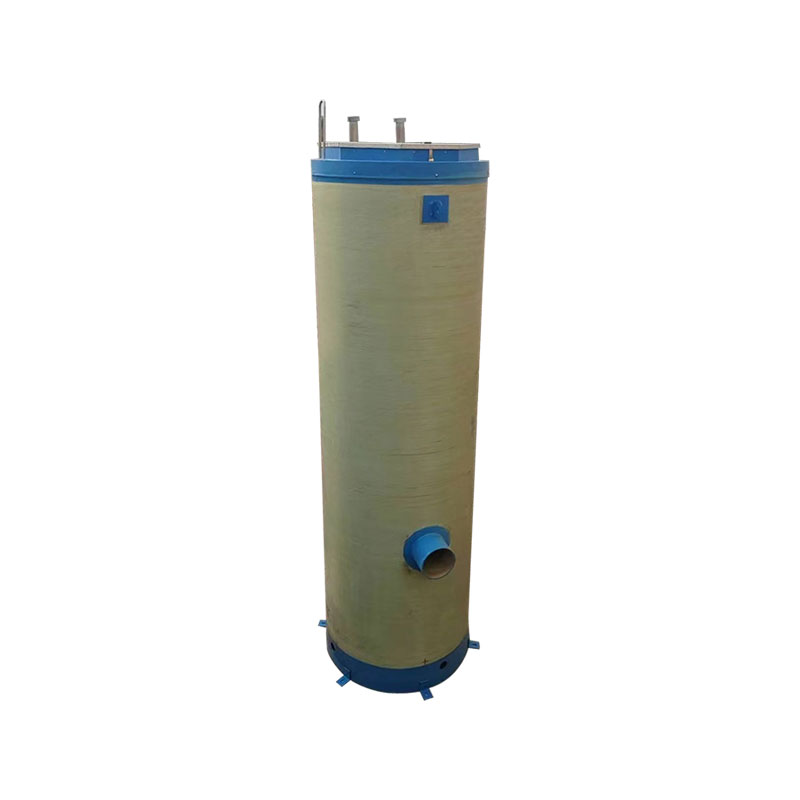
In industrial settings where safety, durability, and efficiency are paramount, FRP storage tanks are increasingly being recognized as the go-to solution. Unlike traditional storage tanks made of materials such as steel, concrete, or aluminum, FRP tanks are engineered to offer a combination of benefits that make them ideal for a wide range of industries, including chemical processing, oil and gas, water treatment, and agriculture.
Superior Durability and Longevity
One of the standout features of FRP storage tanks is their exceptional durability. Made by combining fiberglass with a resin matrix, these tanks are highly resistant to corrosion, chemical damage, and weathering, which is crucial for industries that store volatile or hazardous materials.
a. Resistance to Corrosion
Unlike metal tanks that are prone to rust and degradation, FRP tanks maintain their integrity even in harsh chemical environments. This makes them particularly valuable in industries such as chemical processing and wastewater treatment, where corrosive substances are often stored.
Long-Term Durability: FRP tanks are designed to withstand the harshest conditions, ensuring a longer service life and reducing the need for frequent replacements.
Reduced Maintenance: Since FRP tanks do not corrode like steel tanks, they require less maintenance, which translates into cost savings and improved operational efficiency for companies.
b. Impact Resistance
FRP tanks are also more impact-resistant than metal counterparts. In industrial environments, tanks may be exposed to bumps, jolts, or mechanical stress. The fiberglass construction helps absorb impact and prevents cracks or leaks, ensuring structural integrity over time.
Improved Safety: The durability of FRP reduces the risk of structural failure, which could potentially lead to hazardous spills or equipment downtime. This makes them ideal for safely storing materials in high-risk environments.
Enhanced Safety Features
Safety is always a priority in industries dealing with toxic chemicals, flammable liquids, or hazardous waste. FRP storage tanks contribute significantly to safety, not only through their physical resilience but also through the way they are designed to minimize risks in dangerous applications.
a. Leak and Spill Prevention
One of the greatest risks in industrial storage is the potential for leaks or spills. Because FRP tanks are made with strong, non-porous materials, they are highly effective at preventing leaks and maintaining sealed environments for sensitive or hazardous materials.
Leak-Proof Design: The smooth, seamless construction of FRP tanks ensures that there are no weak points where leaks could occur, which is crucial for industries storing chemicals that could be dangerous if spilled.
Containment: In the case of a tank failure or environmental stress, the resilient design of FRP tanks reduces the possibility of catastrophic damage to the surroundings, helping to prevent large-scale accidents.
b. Fire Resistance
Though not completely fireproof, FRP tanks are made with fire-retardant materials that significantly reduce the risk of ignition compared to many traditional materials. This is particularly important in industries where flammable liquids or gases are stored.
Lower Fire Risk: FRP tanks are more resistant to catching fire and can contain hazardous liquids at higher temperatures without the risk of fire escalation. This makes them a safer choice for storing flammable substances such as fuel, chemicals, and solvents.
Lightweight and Easy to Transport
In industries where mobility and ease of installation are important, FRP storage tanks offer a significant advantage due to their lightweight nature compared to traditional steel or concrete tanks.
a. Reduced Transport and Handling Costs
FRP tanks are much lighter, making them easier and cheaper to transport and handle, especially in areas with difficult access. For businesses with multiple facilities or those that need to relocate equipment often, this portability is a game-changer.
Lower Transportation Costs: The reduced weight leads to lower shipping costs and easier installation. This can be especially beneficial for companies in industries like agriculture and food processing, where equipment mobility is a constant need.
b. Simplified Installation
Because of their lighter weight, FRP storage tanks can be installed much more quickly and with fewer labor resources. This reduces both the installation time and costs compared to heavier, more cumbersome tanks made from other materials.
Efficient Setup: Quick installation means reduced downtime, allowing industries to get their systems up and running faster.
Cost-Effectiveness Over Time
Although FRP storage tanks can have a higher upfront cost compared to traditional tanks, the long-term savings in terms of maintenance, repairs, and replacement make them a cost-effective choice in the long run.
a. Lower Maintenance Requirements
As mentioned earlier, FRP tanks require far less maintenance than metal or concrete alternatives. The corrosion resistance alone can save companies significant amounts of money that would otherwise be spent on repairs, inspections, and replacements.
Reduced Downtime: With less frequent maintenance needs, operations can continue smoothly without interruptions, reducing lost productivity and associated costs.
b. Energy Efficiency
In addition to being durable, FRP tanks can also offer better insulation than traditional materials, helping to maintain the temperature of stored contents and reduce energy consumption. This makes them more energy-efficient, especially when storing temperature-sensitive materials like chemicals or food products.
Lower Energy Costs: By offering better temperature control, these tanks can help businesses reduce the energy required to maintain optimal storage conditions, ultimately lowering their operational costs.
Environmental Impact and Sustainability
As industries become more focused on sustainability and environmental protection, FRP storage tanks stand out as an eco-friendly alternative to traditional storage solutions. Their longevity, resistance to environmental degradation, and ability to be made with recycled materials make them a more sustainable choice.
a. Recyclable Materials
Many FRP tanks are constructed using recycled fiberglass and resins, reducing the environmental impact associated with the production of new materials. Additionally, at the end of their lifespan, FRP tanks can often be recycled or repurposed, reducing waste.
Eco-Friendly Manufacturing: The use of sustainable materials in the production process supports greener manufacturing practices.
Given their resistance to corrosion, weathering, and chemical degradation, FRP tanks are less likely to leak or degrade into the surrounding environment. This can prevent environmental contamination, especially in industries that handle toxic or hazardous substances.
Protecting the Environment: By providing a safe and secure containment solution, FRP tanks contribute to a cleaner, safer environment both inside and outside industrial facilities.
Versatility Across Industries
FRP storage tanks are used across a variety of industrial applications, each benefiting from their unique features. Some of the industries that benefit most from FRP tanks include:
Chemical Industry: Due to their resistance to corrosive chemicals, FRP tanks are perfect for safely storing acidic or alkaline substances.
Water Treatment: Their durability and resistance to chemicals make them ideal for storing and treating wastewater.
Agriculture: FRP tanks are commonly used for storing water, fertilizers, and chemicals, with the added benefit of reducing contamination risks.
This versatility allows businesses to tailor their tank solutions to meet the specific needs of their industry, making FRP storage tanks a universal solution for numerous applications.



 Tiếng Việt
 عربى
عربى Get a quote

 Tel: +86 0515-86302568
  E-mail:
  Add: No. 11, Xingwang Road, Jianyang Town, Jianhu County, Jiangsu Province, China