In the modern world, effective wastewater treatment is crucial to ensuring the health and sustainability of communities, industries, and the environment. As urban populations grow and industrialization expands, the demand for more efficient, cost-effective, and sustainable wastewater treatment solutions has increased dramatically. One technology that has been gaining widespread attention is the FRP Integrated Pump Station, a cutting-edge solution for wastewater pumping and treatment.
An FRP Integrated Pump Station combines advanced materials technology with the principles of integrated design to create a streamlined, efficient, and durable pumping station. This solution offers numerous advantages, including enhanced efficiency, reduced operational costs, and improved reliability.
Understanding FRP Integrated Pump Stations
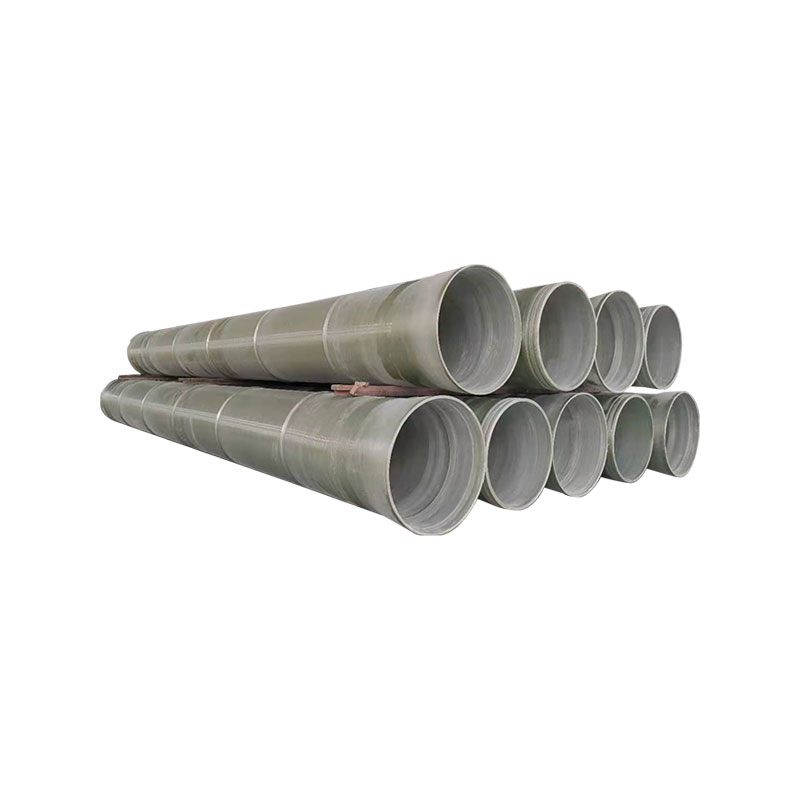
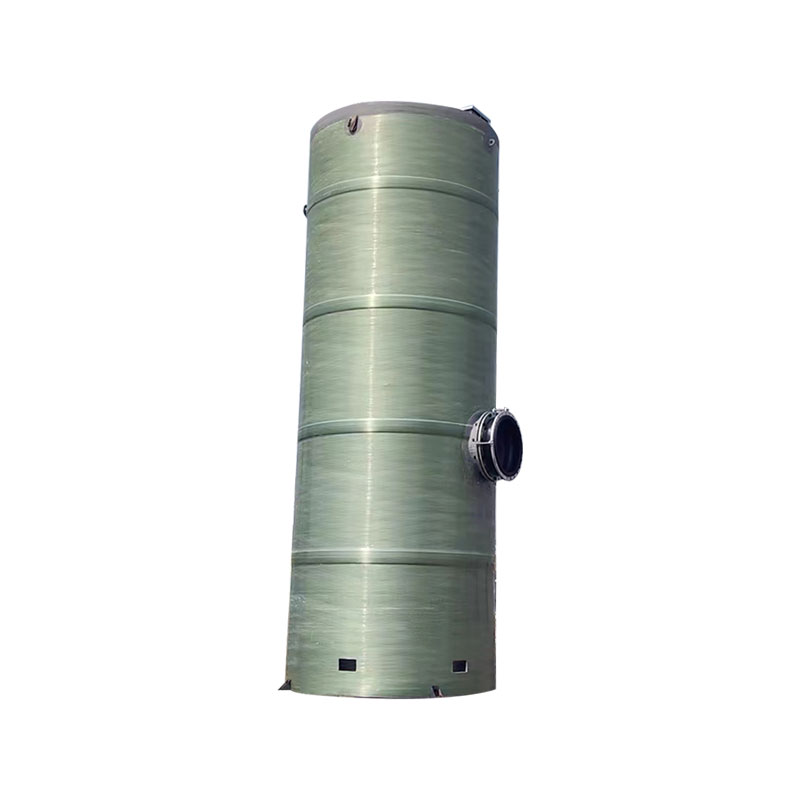
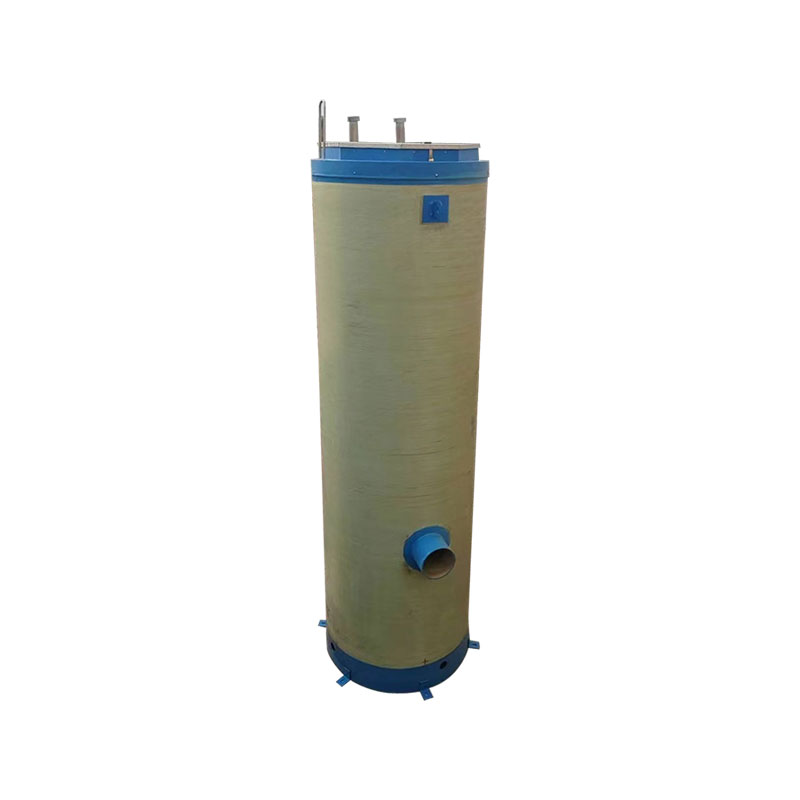
An FRP Integrated Pump Station is a pre-fabricated system used for the collection, transport, and treatment of wastewater. It integrates various components, such as pumps, controls, piping, and storage tanks, into a single modular unit. Constructed from fiber-reinforced polymer (FRP), these pump stations offer superior strength, corrosion resistance, and lightweight characteristics, making them an ideal choice for challenging environments, particularly in wastewater treatment facilities.
The integration of different functions into one compact, pre-engineered unit provides several operational efficiencies compared to traditional, larger, and more complex pump stations that require more space, labor, and material. These integrated solutions are particularly valuable in urban settings where space is limited, or in remote locations where easy installation and maintenance are essential.
Key Advantages of FRP Materials in Wastewater Treatment
The use of FRP materials in integrated pump stations offers a variety of unique benefits that directly improve the efficiency of wastewater treatment processes. Some of the key characteristics of FRP materials include:
Corrosion Resistance: FRP materials are highly resistant to corrosion from harsh chemicals, salts, and other aggressive substances commonly found in wastewater. This increases the lifespan of the equipment and reduces the need for frequent repairs and replacements, minimizing downtime and associated costs.
Lightweight and Durable: FRP is significantly lighter than traditional materials like steel or concrete, making the pump stations easier to transport and install. Despite its lightweight nature, FRP is incredibly strong and durable, providing long-term service even under harsh conditions.
Low Maintenance Needs: Due to their high resistance to corrosion, weathering, and UV damage, FRP Integrated Pump Stations require minimal maintenance. This reduces the overall operational costs and ensures that the system remains functional with minimal downtime, improving overall system efficiency.
Enhanced Structural Integrity: FRP materials provide superior structural integrity, withstanding extreme weather conditions, high pressure, and mechanical stress. This durability ensures the pump stations continue to operate at peak performance over time.
Compact Design and Integration for Operational Efficiency
A major factor contributing to the efficiency of FRP Integrated Pump Stations is their modular design. These pump stations are pre-fabricated in factories and delivered to the installation site as a ready-to-use unit. This design reduces the time needed for construction, allows for faster installation, and minimizes the impact of the construction process on the surrounding environment.
The integration of various components into a single, compact unit also optimizes the entire wastewater treatment process. Traditional systems often require the separate installation of pumps, pipes, controls, and tanks, each with its own set of connections, maintenance schedules, and operational considerations. In contrast, an FRP integrated system consolidates these elements into one seamless solution, simplifying both operation and management.
Moreover, because these pump stations are designed for easy modular expansion, they can be scaled up or down based on the wastewater treatment needs of a specific area, providing both flexibility and efficiency. For example, if a city’s wastewater treatment demand grows, additional pump stations can be quickly deployed to meet that demand without extensive modifications to existing infrastructure.
Energy Efficiency in FRP Integrated Pump Stations
Energy efficiency is a critical factor in modern wastewater treatment facilities. Traditional pumping stations often consume large amounts of energy due to outdated pumps, inefficient systems, and poor maintenance. In contrast, FRP Integrated Pump Stations are designed with energy-saving technologies, such as:
Optimized Pumping Systems: FRP integrated systems often feature variable speed drives (VSD) and smart controllers that adjust the pump speed according to the flow and pressure requirements. This reduces energy consumption, ensuring that pumps are not running unnecessarily at full capacity, which can waste energy and increase costs.
Energy Recovery: Some advanced FRP pump stations incorporate energy recovery systems, which harness the energy from wastewater flow to power other parts of the system. This self-sustaining technology helps to reduce external energy requirements, further lowering operational costs.
Efficient Water Transport: The design of FRP piping systems ensures smooth and efficient water transport with minimal friction loss, reducing the need for excessive pumping energy. This leads to reduced wear on pumps and lower energy consumption over time.
Improved Reliability and Reduced Downtime
Reliability is paramount when it comes to wastewater treatment, as unreliable equipment can lead to system failures, environmental hazards, and public health risks. FRP Integrated Pump Stations are designed for high reliability and resilience to ensure consistent performance over time.
The robust construction of FRP materials, combined with their low-maintenance requirements, makes these pump stations a reliable solution. The resistance of FRP to corrosion and weathering means that the system can operate effectively in both wet and dry conditions, without being affected by the harshness of wastewater environments.
Furthermore, integrated systems often feature remote monitoring and diagnostic tools that allow operators to track the performance of pumps, sensors, and other key components. This capability enables proactive maintenance, allowing potential issues to be identified and addressed before they cause significant disruptions to the wastewater treatment process.
Environmental Benefits of FRP Integrated Pump Stations
The use of FRP Integrated Pump Stations not only improves operational efficiency but also has significant environmental benefits.
Reduced Carbon Footprint: The use of energy-efficient technologies and materials in FRP systems reduces the overall carbon footprint of wastewater treatment operations. The energy savings, coupled with the reduction in maintenance and replacement activities, help lower the environmental impact of the facility.
Minimized Chemical Usage: Because FRP materials are highly resistant to chemical degradation, the need for chemical treatments to prevent corrosion is reduced, further minimizing the environmental impact of the treatment process.
Compact, Sustainable Design: FRP Integrated Pump Stations’ modular, pre-fabricated design results in minimal waste during the manufacturing and installation processes. The compactness of these systems also means they can be deployed in areas with limited space, such as urban environments, without significant land use or ecological disruption.
Durable and Recyclable Materials: At the end of their operational life, FRP materials can be recycled or repurposed, further reducing waste and supporting sustainable practices in wastewater management.
Cost-Effectiveness and Return on Investment
Investing in FRP Integrated Pump Stations offers considerable cost savings in both initial installation and long-term operation. While the upfront cost of an FRP system may be higher than traditional pumping stations, the long-term benefits far outweigh the initial investment.
Some of the cost-saving factors include:
Lower Maintenance Costs: The durability and low-maintenance design of FRP systems lead to reduced labor and materials expenses over time.
Reduced Energy Costs: As previously mentioned, FRP pump stations are energy-efficient, which lowers the overall energy consumption and reduces operating costs.
Longer Lifespan: The extended service life of FRP systems means that replacement costs are minimized over the years, making them a more cost-effective solution in the long run.



 Tiếng Việt
 عربى
عربى Get a quote

 Tel: +86 0515-86302568
  E-mail:
  Add: No. 11, Xingwang Road, Jianyang Town, Jianhu County, Jiangsu Province, China