The three main types of water tanks are sectional water tanks, cylindrical (monolithic) tanks, and bladder/flexible tanks. Each serves distinct applications based on capacity requirements, installation environment, material constraints, and budget. Among these, sectional water tanks are the most widely used in commercial and industrial buildings due to their modular design, on-site assembly flexibility, and scalability. Understanding the differences between all three types helps engineers, facility managers, and property developers make the right choice for their specific water storage needs.
Type 1: Sectional Water Tanks
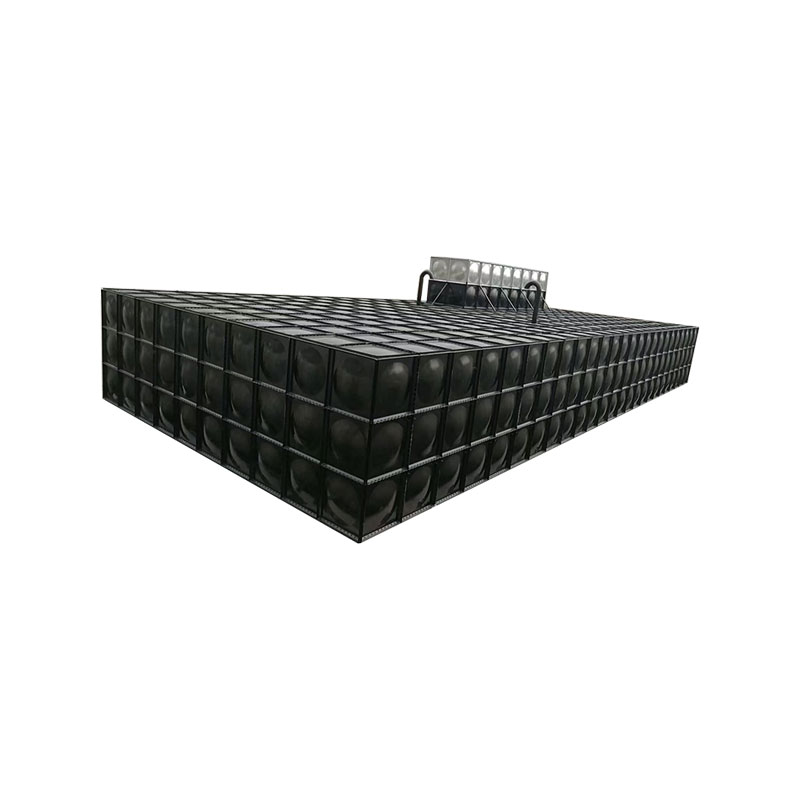
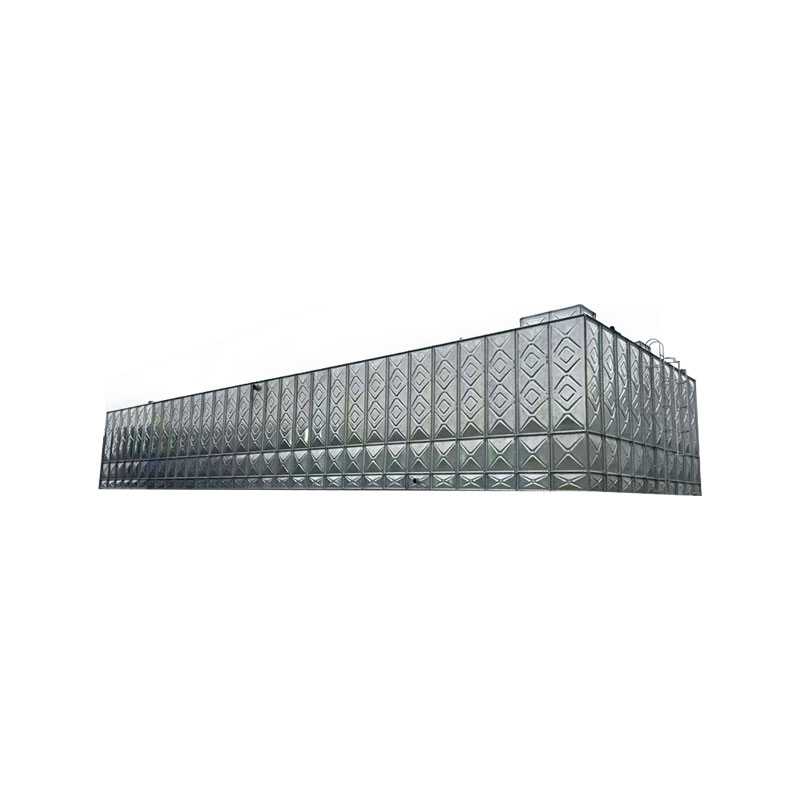
A sectional water tank is a modular storage system assembled from individual flat or pre-formed panels bolted together on-site. Panels are typically manufactured from GRP (glass-reinforced plastic), SMC (sheet moulding compound), or stainless steel, and are available in standard sizes — most commonly 1×1 m or 0.5×0.5 m — allowing the tank to be configured in virtually any dimension or capacity.
How Sectional Tanks Are Built
Panels are delivered flat-packed and bolted together using stainless steel bolts with EPDM rubber gaskets to create a watertight seal. Internal tie rods or supporting pillars are used for tanks exceeding certain dimensions to prevent wall deflection under hydrostatic pressure. The base frame is typically made from hot-dip galvanized steel or stainless steel and must be level to within ±3 mm to prevent stress on panel joints.
Key Advantages of Sectional Water Tanks
- Access through narrow spaces: Panels fit through standard doorways and lift shafts, making sectional tanks ideal for rooftop plantrooms, basements, and confined plant rooms where a single-piece tank could never be installed.
- Scalable capacity: Tanks can be expanded by adding panels or reduced by reconfiguring the layout, with standard configurations ranging from 500 litres to over 1,000,000 litres.
- Compartmentalization: Large tanks can be internally divided to allow cleaning or maintenance of one section while the other remains in service — a critical feature for uninterrupted water supply in hospitals and high-rise buildings.
- Compliance with water regulations: GRP and SMC sectional tanks are approved under BS EN 13280 and WRAS (Water Regulations Advisory Scheme) standards in the UK, making them suitable for potable water storage.
- Repair and replacement: Individual panels can be replaced if damaged without decommissioning the entire tank, significantly reducing maintenance costs over the asset's life.
Common Applications
Sectional water tanks are standard in hotels, hospitals, schools, office towers, data centres, and industrial facilities. They are also used in fire suppression systems where large reserve volumes — typically 45,000 to 300,000 litres — must be maintained in compliance with BS 9990 or NFPA 22 standards.
Type 2: Cylindrical (Monolithic) Tanks
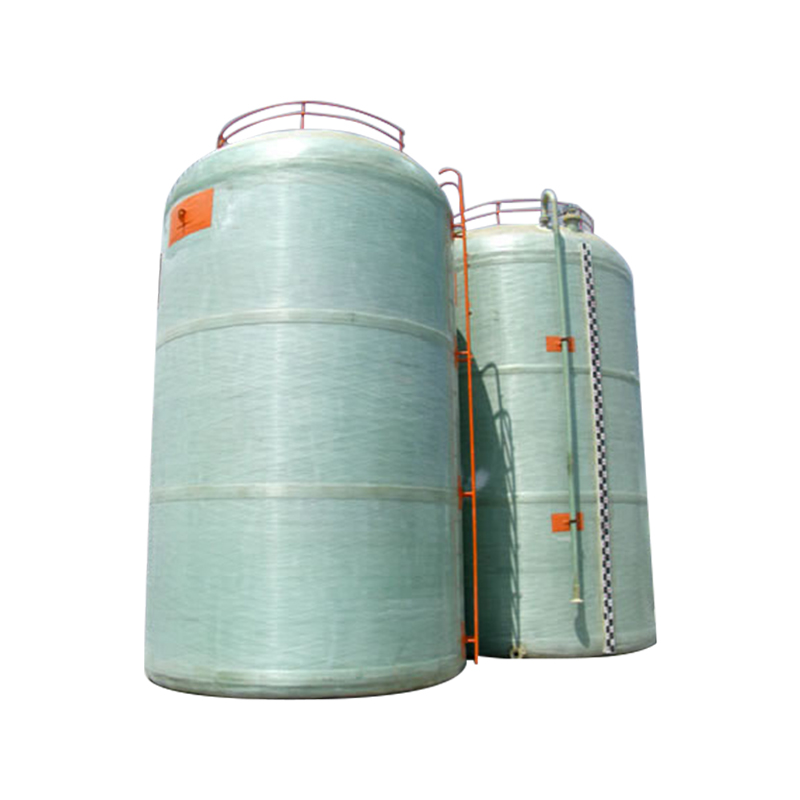
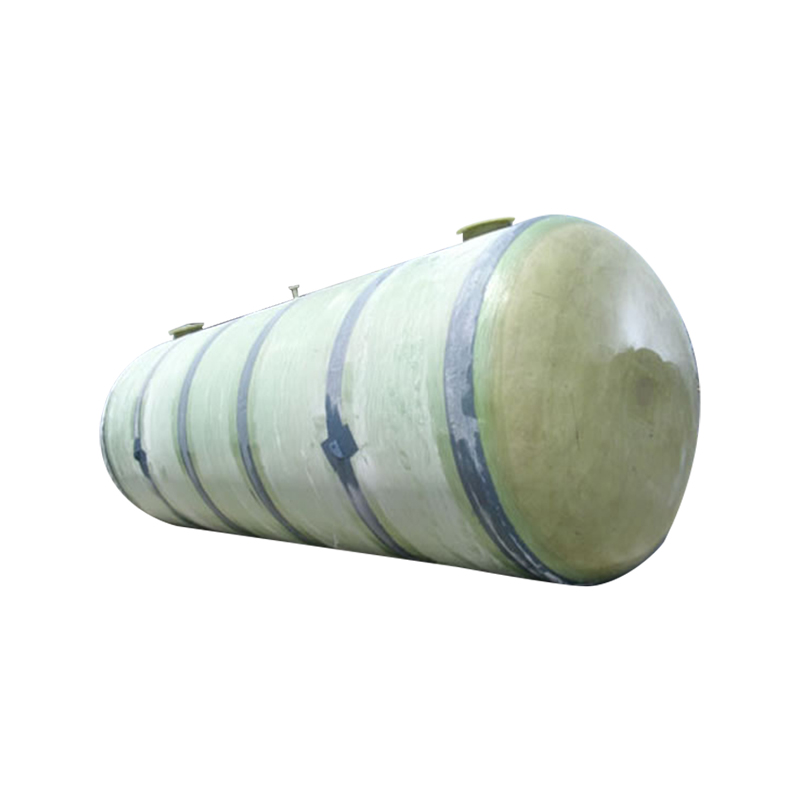
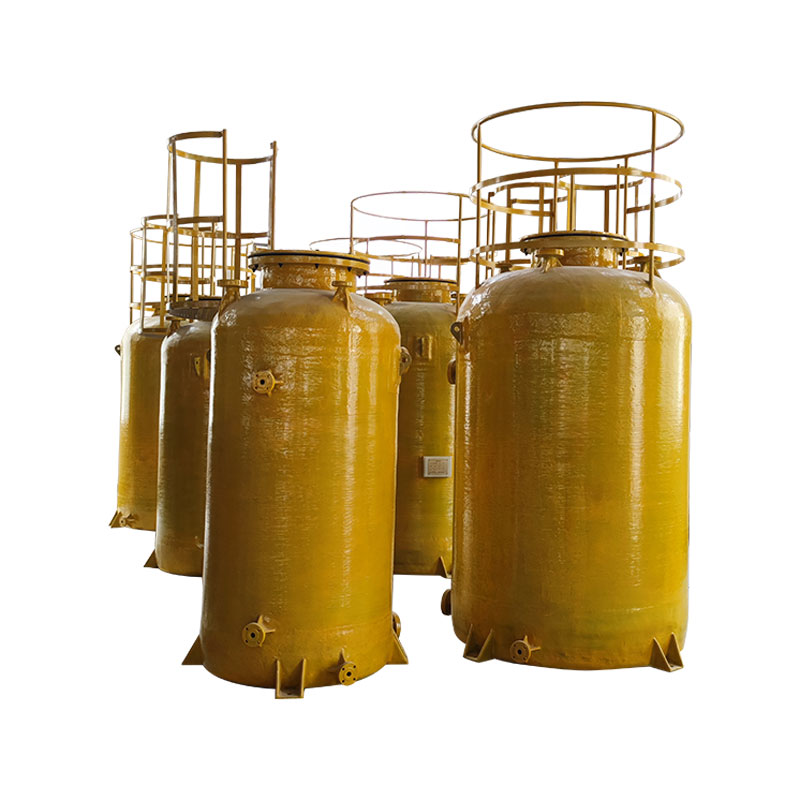
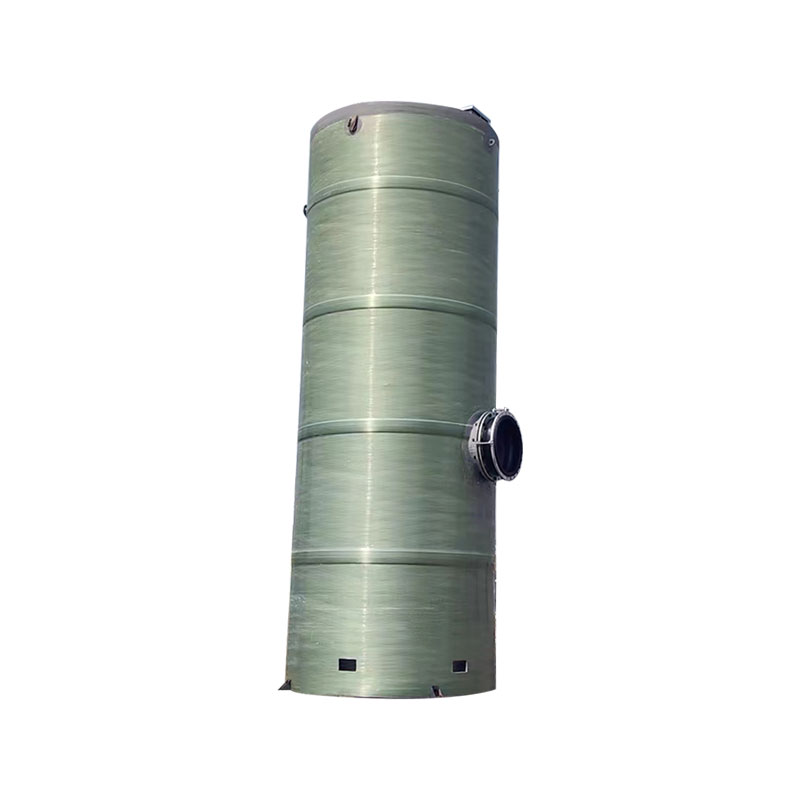
Cylindrical or monolithic tanks are manufactured as a single continuous unit — either moulded, welded, or formed from one material without joints or seams. Materials include polyethylene (PE), polypropylene (PP), fibreglass, concrete, and stainless steel. These tanks range from small domestic units of 200 litres to large above-ground or below-ground concrete reservoirs holding millions of litres.
Subtypes of Cylindrical Tanks
- Polyethylene (PE/HDPE) tanks: The most common type for domestic and light commercial use. Rotationally moulded in one piece, they are lightweight, chemically inert, and UV-stabilized. Standard capacities range from 200 to 50,000 litres. A typical 1,000-litre HDPE tank weighs only about 25–35 kg, making installation straightforward.
- Stainless steel cylindrical tanks: Used in food processing, pharmaceutical manufacturing, and high-purity water applications. Grade 316L stainless steel offers superior corrosion resistance and can be electropolished internally to meet hygiene standards.
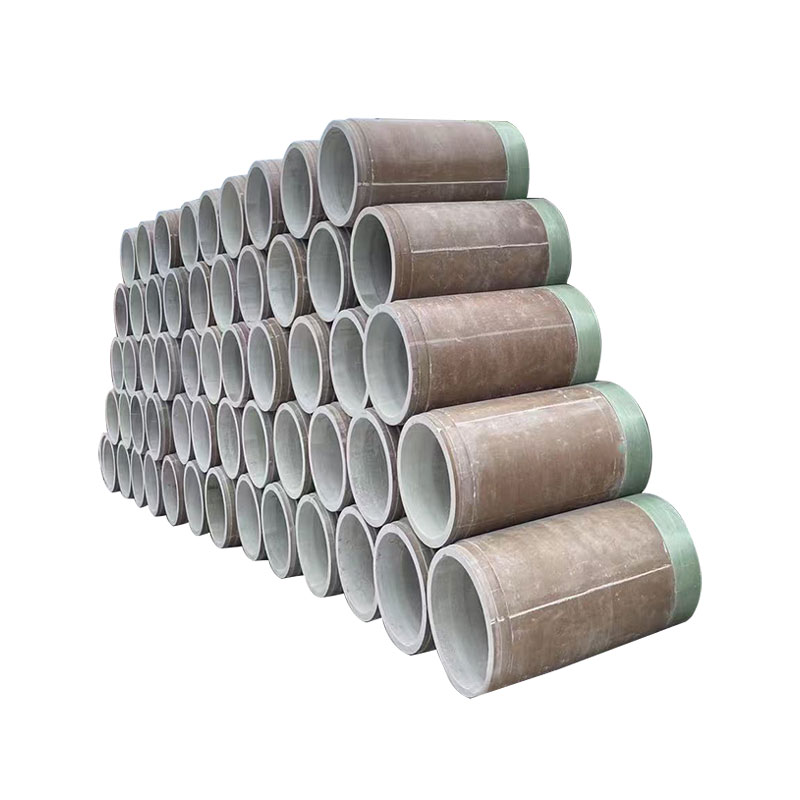
- Concrete tanks (in-ground or above-ground): Used for large municipal water supply and wastewater treatment. Reinforced concrete tanks can hold 10 million litres or more and have service lives exceeding 50 years when properly constructed. However, they require significant civil engineering and are not relocatable.
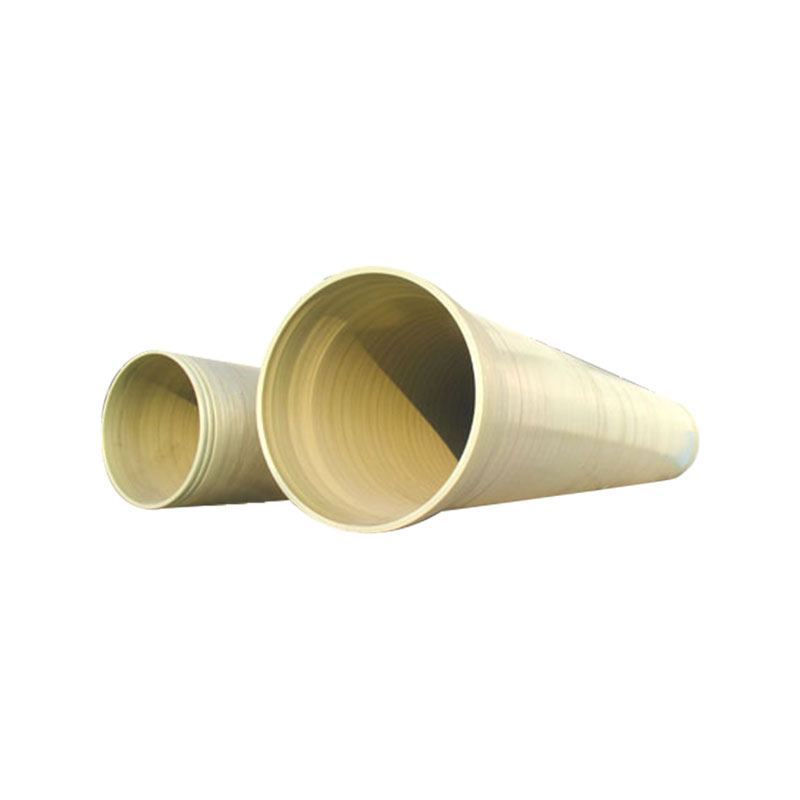
- Fibreglass (GRP) one-piece tanks: Stronger than PE and available in larger single-piece sizes (up to approximately 100,000 litres), but require crane lifting for delivery and installation due to their weight and bulk.
Limitations of Cylindrical Tanks
The primary limitation is transport and access. A single-piece tank must be delivered intact, meaning it cannot pass through restricted access points. For tanks above approximately 5,000 litres, crane access is typically required. Once installed in a building, a monolithic tank cannot easily be removed or relocated — unlike a sectional tank whose panels can be disassembled.
Type 3: Bladder and Flexible Water Tanks
Bladder tanks, also known as pillow tanks or flexible water storage tanks, are made from reinforced TPU (thermoplastic polyurethane), PVC, or EPDM-coated fabric. They are designed to collapse completely when empty and expand to full capacity when filled. Capacities range from as small as 100 litres up to 5,000,000 litres for large military or disaster relief deployments.
Primary Use Cases
- Emergency and disaster relief: Bladder tanks can be airlifted and deployed within hours, providing immediate potable water storage in flood, earthquake, or conflict zones. A 10,000-litre bladder tank can be packed into a volume of under 1 cubic metre when empty.
- Military field operations: Armed forces use large bladder tanks for fuel and water storage in forward operating bases where rigid infrastructure is not available.
- Agriculture and irrigation: Flexible tanks are used for temporary water storage during irrigation seasons and can be relocated at the end of the season.
- Construction site water supply: Temporary storage for concrete batching, dust suppression, and welfare facilities on remote construction sites.
Limitations of Bladder Tanks
Bladder tanks are not suitable for permanent installations where hygiene standards, structural integrity, and long service life are required. The fabric membrane is susceptible to puncture and UV degradation over time. Most manufacturers rate bladder tanks for 10–15 years of service life under normal conditions, compared to 25+ years for quality GRP sectional or stainless steel tanks. They are also not approved for permanent potable water supply under most building regulations.
Side-by-Side Comparison of the Three Tank Types
Table 1: Key comparison of sectional, cylindrical, and bladder water tank types
| Criteria |
Sectional Tank |
Cylindrical Tank |
Bladder Tank |
| Typical capacity range |
500 L – 1,000,000+ L |
200 L – 10,000,000+ L |
100 L – 5,000,000 L |
| Installation in restricted access |
Yes — panels fit through doors |
No — requires open access |
Yes — collapses for transport |
| Potable water approval |
Yes (GRP/SMC/SS grades) |
Yes (PE, SS, concrete) |
Limited/temporary use only |
| Expected service life |
25–30+ years |
20–50+ years |
10–15 years |
| Relocatable / expandable |
Yes — fully dismantlable |
Limited (PE tanks only) |
Yes — fully portable |
| Best suited for |
Commercial buildings, fire systems |
Domestic, municipal, industrial |
Emergency, military, agriculture |
Sectional Water Tank Materials: GRP vs SMC vs Stainless Steel
Within sectional tanks specifically, material choice significantly affects performance, cost, and suitability. The three dominant panel materials each have distinct properties:
GRP (Glass-Reinforced Plastic) Panels
GRP panels are hand-laid or machine-formed using glass fibre matting and polyester or vinyl ester resin. They offer excellent corrosion resistance, low thermal conductivity (reducing temperature gain in stored water), and a service life of over 30 years. However, they are heavier than SMC panels and can be more difficult to handle during installation.
SMC (Sheet Moulding Compound) Panels
SMC panels are compression-moulded under high heat and pressure, producing a more consistent product than hand-laid GRP. They are lighter, have a smoother internal surface that resists biofilm formation, and are the most common choice for modern sectional tanks in commercial buildings. SMC panels conform to BS EN 13280 and are approved for potable water storage under WRAS guidelines.
Stainless Steel Panels (Grade 304 or 316)
Stainless steel sectional tanks offer the highest hygiene standards and are preferred in pharmaceutical, food processing, and high-purity applications. Grade 316 stainless steel provides superior resistance to chloride corrosion, making it the appropriate choice in coastal environments or where water with elevated chloride content is stored. The trade-off is cost: stainless steel sectional tanks are typically 40–70% more expensive than equivalent SMC configurations.
How to Choose the Right Tank Type for Your Project
Selecting the appropriate tank type requires evaluating several interconnected factors. Use the following decision criteria as a structured starting point:
- Access to the installation site: If the tank must pass through corridors, lift shafts, or narrow doorways, a sectional tank or bladder tank is the only viable option. Cylindrical monolithic tanks require open crane or vehicle access.
- Required capacity: For capacities below 5,000 litres in open sites, a polyethylene cylindrical tank is usually the most cost-effective choice. For larger capacities in buildings, sectional tanks are standard. For temporary very large volumes, bladder tanks are most practical.
- Permanence of installation: Permanent potable water systems in commercial or public buildings demand sectional or monolithic tanks with full regulatory approval. Temporary or relocatable applications suit bladder or PE cylindrical tanks.
- Water quality and hygiene requirements: Hospitals, pharmaceutical plants, and food facilities should specify stainless steel sectional or cylindrical tanks with documented WRAS or NSF 61 certification.
- Fire suppression requirements: Buildings requiring fire reserve storage under BS 9990 or NFPA 22 should use compartmented sectional tanks, which allow one section to remain online during maintenance of the other.
- Budget: PE cylindrical tanks are the lowest upfront cost for small volumes. SMC sectional tanks offer the best long-term value for medium to large commercial applications. Stainless steel and concrete tanks have the highest initial cost but the longest service life.
Maintenance Requirements Across the Three Tank Types
All potable water tanks require regular inspection and cleaning to comply with water hygiene regulations. In the UK, BS 8558 and the HSE's Legionella guidance (L8) require that cold water storage tanks be inspected at least annually and cleaned when necessary. Maintenance demands differ by tank type:
- Sectional tanks: Inspection hatches on the roof panels allow internal access without decommissioning. Dual-compartment designs enable section-by-section cleaning without interrupting supply. Gaskets and bolted joints should be inspected every 5 years for signs of degradation.
- Cylindrical tanks: PE tanks should be inspected externally for UV degradation, cracking, and discolouration. Access manholes allow internal inspection. Single-compartment tanks require supply interruption during cleaning.
- Bladder tanks: Should be drained, inspected, and cleaned after each deployment. The fabric membrane should be checked for abrasion, UV damage, and seam integrity. Long-term standing water in bladder tanks presents a higher biological contamination risk than rigid alternatives.



 Tiếng Việt
 عربى
عربى Get a quote

 Tel: +86 0515-86302568
  E-mail:
  Add: No. 11, Xingwang Road, Jianyang Town, Jianhu County, Jiangsu Province, China