Water stored in a tank can begin to degrade in as little as 24–48 hours under poor conditions, but with proper tank design, cleaning, and maintenance, it can remain safe for 6 to 12 months or longer. The exact answer depends on four key variables: the tank material, water source quality, temperature, and whether disinfectant residual (such as chlorine) is maintained. Sectional water tanks — modular panel-based systems made from GRP (Glass Reinforced Plastic), stainless steel, or HDPE — are specifically engineered to extend stored water quality through UV resistance, sealed joints, and hygienic internal surfaces. This article explains exactly what causes stored water to go bad, how long you realistically have, and what you can do to maximize water safety.
Why Stored Water Goes Bad Over Time
Water itself does not expire — H₂O molecules are chemically stable indefinitely. What changes is the biological and chemical environment within the water. Several deterioration mechanisms operate simultaneously once water enters a storage tank.
Chlorine Dissipation
Municipal water supplies typically contain 0.2–0.5 mg/L of free residual chlorine at the point of delivery, as required by WHO guidelines and most national standards. Once water enters a storage tank, this residual chlorine begins dissipating through natural decomposition, reaction with organic matter, and off-gassing. In a warm, poorly sealed tank, free chlorine can drop to zero within 24–72 hours, removing the primary bacteriostatic barrier against microbial growth.
Bacterial and Biofilm Growth
Once chlorine is depleted, bacteria present in the water — even in very low numbers from the supply — begin to multiply. Heterotrophic plate count (HPC) bacteria can double every 20–30 minutes under ideal conditions. More critically, Legionella pneumophila, the bacterium responsible for Legionnaires' disease, thrives in water stored between 20°C and 45°C and can reach hazardous concentrations within days in a stagnant, unchlorinated tank. Biofilm — a protective matrix of bacteria and organic material — forms on tank walls and is extremely difficult to remove without physical scrubbing and chemical disinfection.
Algae Growth from Light Exposure
Translucent or improperly sealed tanks that allow sunlight penetration can develop algal blooms within 1–2 weeks in warm conditions. Algae consume dissolved oxygen, alter pH, produce taste and odor compounds, and create a nutrient base that accelerates bacterial growth. This is why opaque tank materials and light-tight lids are a fundamental design requirement for potable water storage.
Chemical Contamination from Tank Materials
Low-quality plastic tanks can leach plasticizers, BPA, or other volatile organic compounds into stored water, particularly when exposed to heat or UV radiation. Corroded steel tanks introduce iron, manganese, and in the worst cases, lead — all of which affect taste and safety. Choosing tanks with NSF/ANSI 61 or WRAS approval ensures materials are certified non-toxic for potable water contact.
How Long Water Stays Safe: A Realistic Timeline by Condition
The following table summarizes realistic safe storage durations based on tank conditions, maintenance practices, and environmental factors.
| Storage Condition |
Typical Safe Duration |
Primary Risk |
| Warm (>25°C), open or poorly sealed tank, no chlorine |
24–48 hours |
Rapid bacterial growth, algae |
| Ambient temperature, sealed tank, no added disinfectant |
3–7 days |
Chlorine depletion, slow bacterial growth |
| Cool (<15°C), opaque sealed tank, chlorinated supply |
2–4 weeks |
Gradual chlorine loss |
| GRP/stainless sectional tank, maintained chlorine residual, regular inspection |
3–6 months |
Biofilm if cleaning skipped |
| Emergency sealed storage (properly treated, cool, dark) |
6–12 months |
Taste/odor deterioration over time |
Estimated safe water storage durations under varying tank conditions, temperatures, and maintenance practices.
How Sectional Water Tanks Help Keep Water Safe Longer
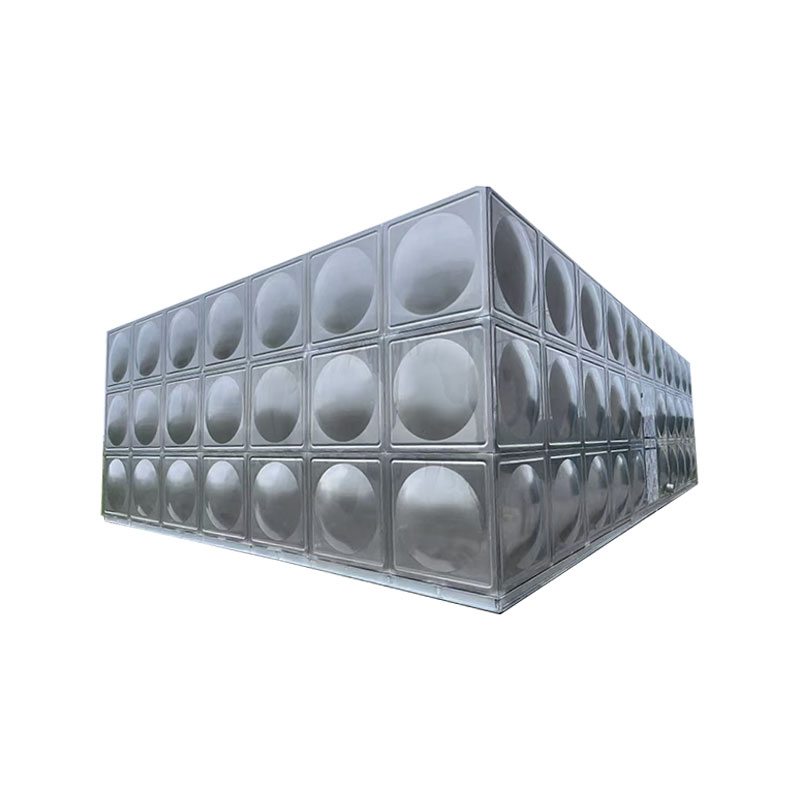
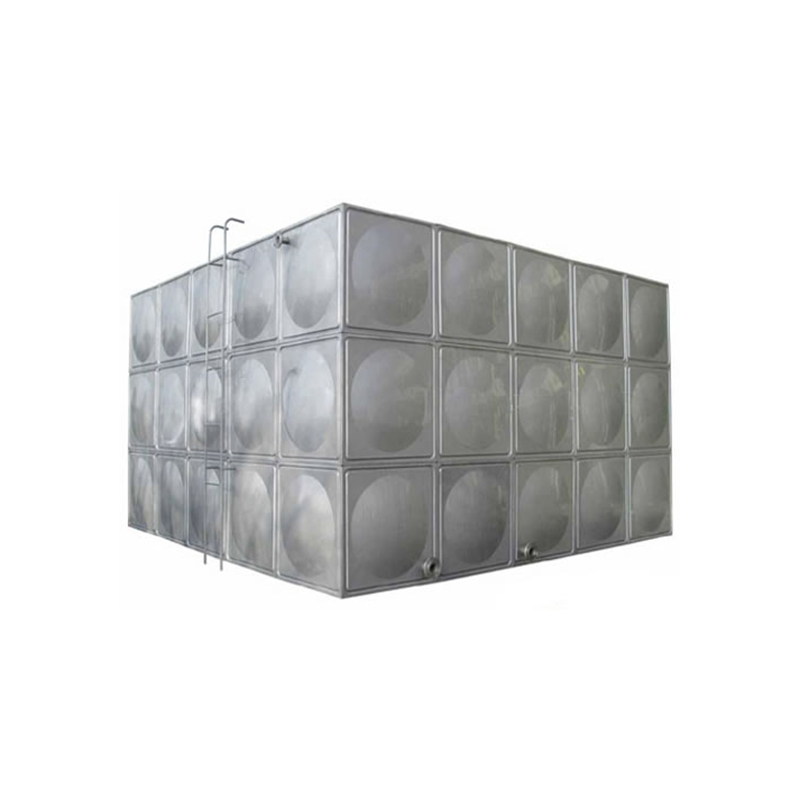
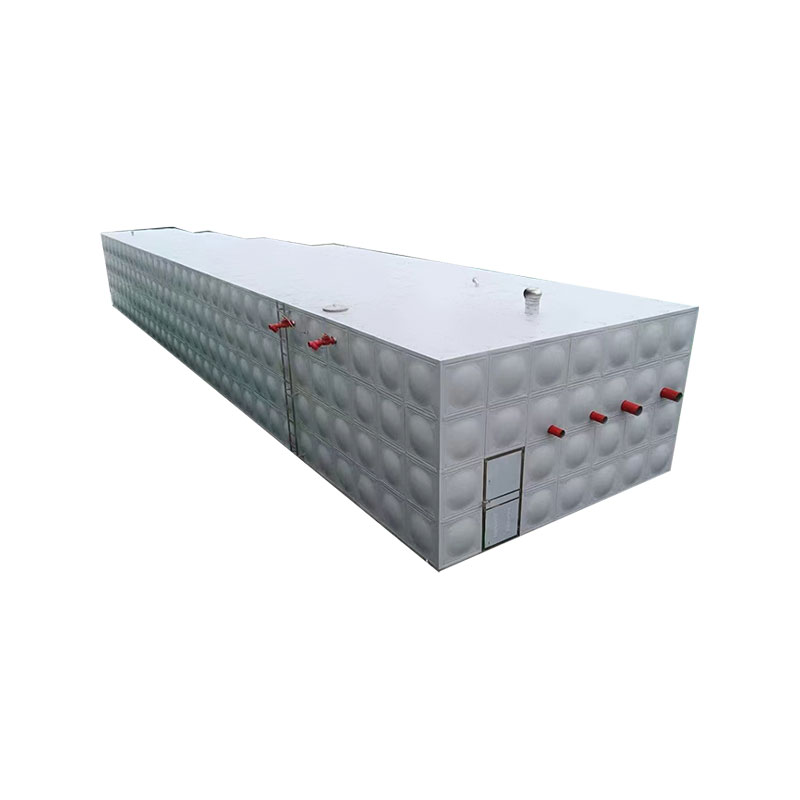
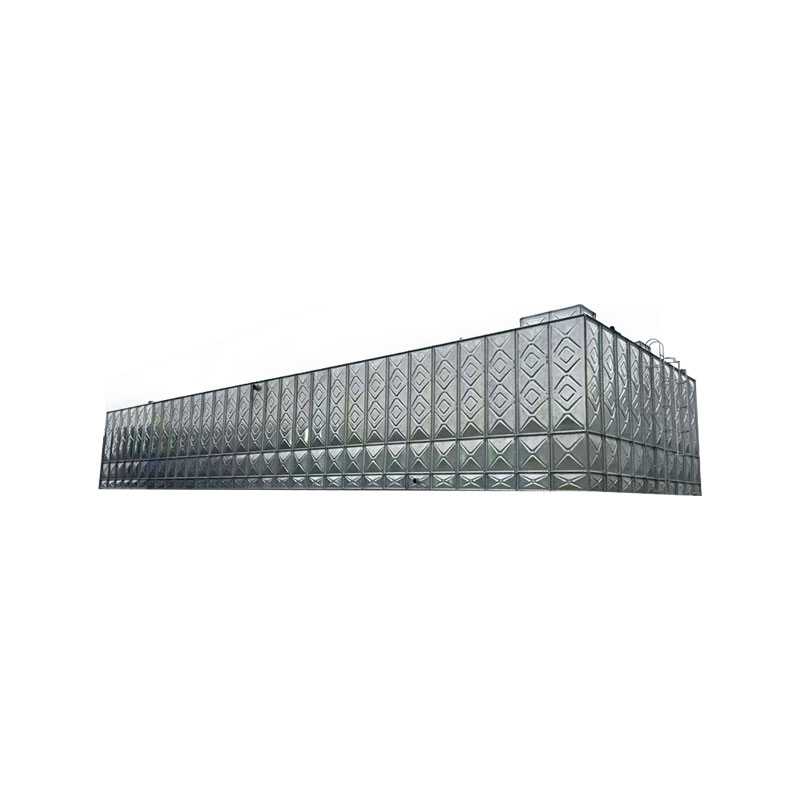
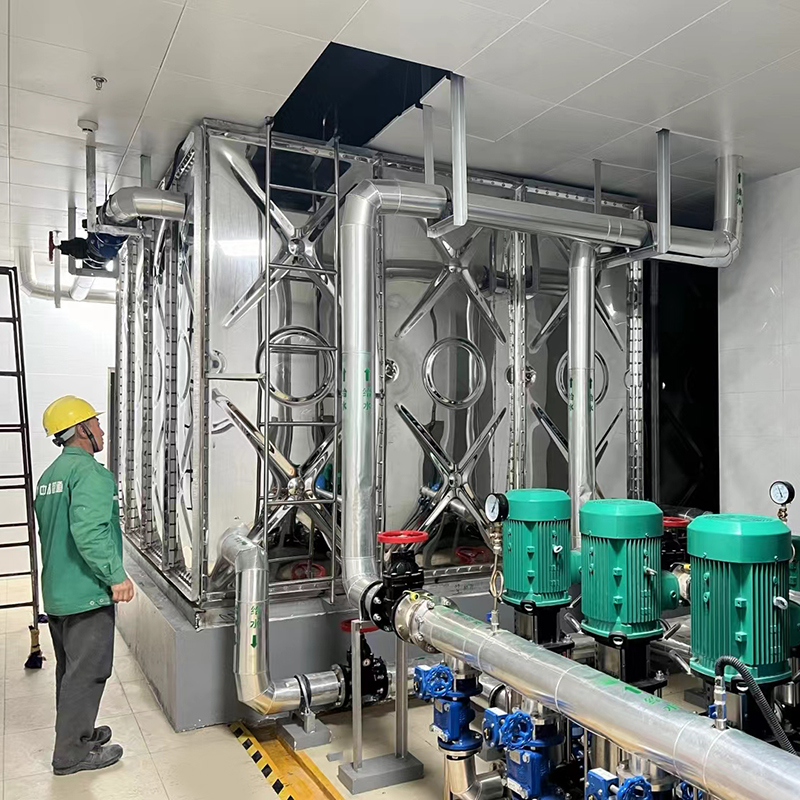
Sectional water tanks — assembled on-site from interlocking panels — are the most widely specified storage solution for commercial, industrial, and municipal potable water because their design directly addresses the causes of water degradation. Unlike monolithic polyethylene tanks, sectional tanks are engineered with water quality as a primary design criterion.
Opaque, UV-Resistant Panels Prevent Algal Growth
GRP (Glass Reinforced Plastic) sectional panels are inherently opaque and UV-stabilized, blocking all light transmission into the stored water. This eliminates algal growth entirely, removes a major nutrient source for bacteria, and prevents photo-degradation of chlorine residual. GRP panels consistently achieve zero light transmittance in standard testing, a performance level that translucent polyethylene tanks cannot match.
Smooth Internal Surfaces Resist Biofilm Formation
Food-grade GRP liners and electropolished stainless steel panels provide non-porous internal surfaces with very low surface roughness (Ra values below 0.8 µm for stainless steel). Rough or porous surfaces — such as unlined concrete or degraded polyethylene — provide crevices where biofilm anchors and persists through cleaning cycles. Smooth surfaces allow complete cleaning with standard disinfection procedures such as those outlined in BS 8558:2015 (UK) or AWWA C652 (USA).
Modular Design Enables Full Internal Access for Cleaning
Sectional tanks are designed with access manholes and, in larger configurations, removable panel sections that allow maintenance personnel to enter the tank for physical inspection and scrubbing. UK Water Regulations and WHO guidelines recommend that potable water storage tanks be physically inspected and cleaned at least once every 12 months. Large monolithic tanks or underground cisterns often cannot be accessed for this critical maintenance step, whereas sectional tanks are specifically designed for it.
Insulated Panels Control Water Temperature
Many sectional tank systems offer insulated panel options with polyurethane foam cores achieving thermal resistance values of R-5 to R-10. Since Legionella risk is highest between 20°C and 45°C, maintaining stored water below 20°C (or above 60°C for hot water systems) is a critical control measure under the UK's Approved Code of Practice L8. Insulated sectional tanks installed in shaded or climate-controlled plantrooms can maintain safe temperature conditions even in regions with high ambient temperatures.
Signs That Water in a Tank Has Gone Bad
Some forms of water contamination are detectable by sensory inspection, while others — including Legionella and many chemical contaminants — are completely undetectable without laboratory testing. Never rely on appearance alone to confirm water safety.
Detectable Warning Signs
- Cloudy or discolored water: Turbidity above 4 NTU indicates suspended solids, sediment, or biological matter. Safe drinking water should be below 1 NTU.
- Unusual odor: Sulfurous (rotten egg), musty, or chemical smells indicate microbial activity, anaerobic decomposition, or material leaching.
- Visible algae or slime: Green, black, or brown discoloration on tank walls or floating matter in the water indicates algal or biofilm contamination.
- Oily sheen on surface: May indicate hydrocarbon contamination from tank sealants, pipe lubricants, or external ingress.
- Sediment at tank bottom: Accumulation of rust, mineral deposits, or biological debris — a nutrient source for bacteria and an indicator of poor maintenance.
Invisible but Serious Risks
- Legionella bacteria — no color, odor, or taste; detectable only by culture testing (ISO 11731) or PCR analysis.
- E. coli and total coliform bacteria — clear water can harbor dangerous concentrations following fecal contamination.
- Nitrates, heavy metals, and leached plasticizers — no sensory indicators; require laboratory analysis.
Key Factors That Determine How Long Water Stays Safe
Understanding the variables that accelerate or slow water quality deterioration allows you to make informed decisions about tank selection, installation, and maintenance frequency.
| Factor |
Effect on Water Quality |
Best Practice |
| Temperature |
Higher temperature accelerates bacterial growth and chlorine loss |
Keep stored water below 20°C; use insulated tanks |
| Light exposure |
UV promotes algal growth and photodegrades chlorine |
Use opaque, UV-resistant tank materials (GRP, HDPE) |
| Chlorine residual |
Primary bacteriostatic agent; zero residual = unprotected water |
Maintain 0.2–0.5 mg/L free chlorine; test weekly |
| Tank material |
Porous or reactive surfaces leach contaminants and harbor biofilm |
Use WRAS/NSF-approved GRP, stainless steel, or food-grade HDPE |
| Water turnover rate |
Stagnant water deteriorates far faster than regularly replaced water |
Size tanks to achieve full turnover within 24–48 hours under normal demand |
| Tank sealing |
Open or poorly sealed tanks allow contamination from insects, dust, and vermin |
Install sealed, insect-proof lids and vent filters on all openings |
| Cleaning frequency |
Accumulated sediment and biofilm accelerate contamination exponentially |
Clean and disinfect at minimum annually; inspect every 6 months |
Key factors affecting stored water quality and recommended best practices for each variable.
How to Properly Clean and Disinfect a Water Storage Tank
Cleaning a water tank is not optional maintenance — it is a regulatory requirement in most jurisdictions for any tank serving a building's potable water supply. The following procedure aligns with BS 8558:2015 guidance and WHO recommendations for potable water storage tanks including sectional types.
- Isolate and drain: Close the inlet valve and drain the tank completely. Divert any overflow and waste drainage away from areas where contaminated water could cause hazard.
- Physical clean: Using appropriate PPE, enter the tank (for sectional tanks with man-access) or use long-handled brushes to scrub all internal surfaces including walls, floor, lid underside, and fittings. Remove all visible sediment, biofilm, and scale.
- Rinse: Flush loose debris and cleaning residue with clean water and drain completely again.
- Disinfect: Fill the tank with potable water dosed to achieve 50 mg/L (ppm) free chlorine (sodium hypochlorite solution). Ensure the disinfectant contacts all internal surfaces including pipework connected to the tank. Allow a contact time of at least 1 hour (or as specified in local standards).
- Drain and refill: Completely drain the high-concentration disinfectant solution (it must not enter the distribution system at this concentration). Refill with supply water and verify chlorine residual is within the normal operating range of 0.2–0.5 mg/L before returning to service.
- Test and document: Take water samples for microbiological analysis (total coliforms, E. coli, HPC at 22°C and 37°C) and document the cleaning event with date, personnel, and results for regulatory compliance records.
Sizing Your Tank to Prevent Water Stagnation
One of the most overlooked causes of water going bad in a tank is oversizing. A tank that is far too large for the demand it serves will have sections of water that sit stagnant for weeks — creating exactly the conditions that allow bacterial proliferation. The UK's CIBSE Guide G recommends sizing potable cold water storage tanks to provide no more than 24 hours of anticipated demand in most commercial buildings, precisely to ensure adequate daily turnover.
For a building with a daily cold water demand of 10,000 liters, the correct tank size is approximately 10,000–15,000 liters (adding a modest reserve for supply interruption), not 50,000 liters. Sectional tanks offer a key advantage here: because they are assembled from standard panel sizes, capacity can be precisely matched to demand and expanded in modular increments as the building's population grows — avoiding the common problem of oversized monolithic tanks that are difficult to replace.
In multi-tank installations, consider operating tanks in a duty/standby configuration where one tank is always being actively turned over while the other is cleaned or held in reserve. This prevents any tank from remaining stagnant for extended periods while maintaining full system redundancy.
Emergency Water Storage: How Long Is Long Enough?
For emergency preparedness — whether for disaster resilience, remote locations, or buildings in areas with unreliable supply — the goal is to store water safely for as long as possible without continuous access to treatment infrastructure.
- FEMA and Red Cross guidance recommends a minimum of 1 gallon (3.8 liters) per person per day for at least 3 days, and ideally 2 weeks, for emergency household supplies.
- Commercially sealed water stored in food-grade opaque containers in cool, dark conditions can last up to 1 year before requiring replacement or re-treatment.
- Water treated with 8 drops of unscented liquid chlorine bleach (6% sodium hypochlorite) per gallon before storage extends safe shelf life significantly, but should still be tested and replaced every 6–12 months.
- For larger-scale emergency reserves using sectional tanks, water should be dosed to maintain a residual chlorine level of 0.5 mg/L and tested monthly. Annual tank cleaning remains mandatory.
- Water that has been stored for longer than its safe window should be boiled for at least 1 minute before consumption if testing is not possible, as boiling destroys all biological pathogens.



 Tiếng Việt
 عربى
عربى Get a quote

 Tel: +86 0515-86302568
  E-mail:
  Add: No. 11, Xingwang Road, Jianyang Town, Jianhu County, Jiangsu Province, China