In the world of industrial chemical storage, the choice of containment material is one of the most critical decisions an engineer can make. For decades, steel was the undisputed king of the industry. However, as chemical processes have become more complex and the demand for long-term cost efficiency has grown, the tide has shifted significantly.
Today, more project managers and facility engineers are turning to a specialized fiberglass storage tank manufacturer to provide solutions that steel simply cannot match. Whether you are storing aggressive acids, caustic bases, or high-purity deionized water, understanding the structural and economic differences between Fiberglass Reinforced Plastic (FRP) and traditional steel is essential.
The Battle Against Corrosion: A Natural Advantage
The primary reason engineers move away from steel in chemical applications is its inherent vulnerability to oxidation and chemical attack.
The Weakness of Steel
Steel, particularly carbon steel, relies entirely on internal linings and external coatings to resist corrosion. If a lining develops even a microscopic pinhole or a hairline crack, the chemical begins to eat away at the structural metal beneath. This leads to rapid wall thinning, leaks, and potential catastrophic failure. Even stainless steel, while superior to carbon steel, is susceptible to pitting and stress-corrosion cracking when exposed to chlorides or specific acidic environments.
The Fiberglass Solution
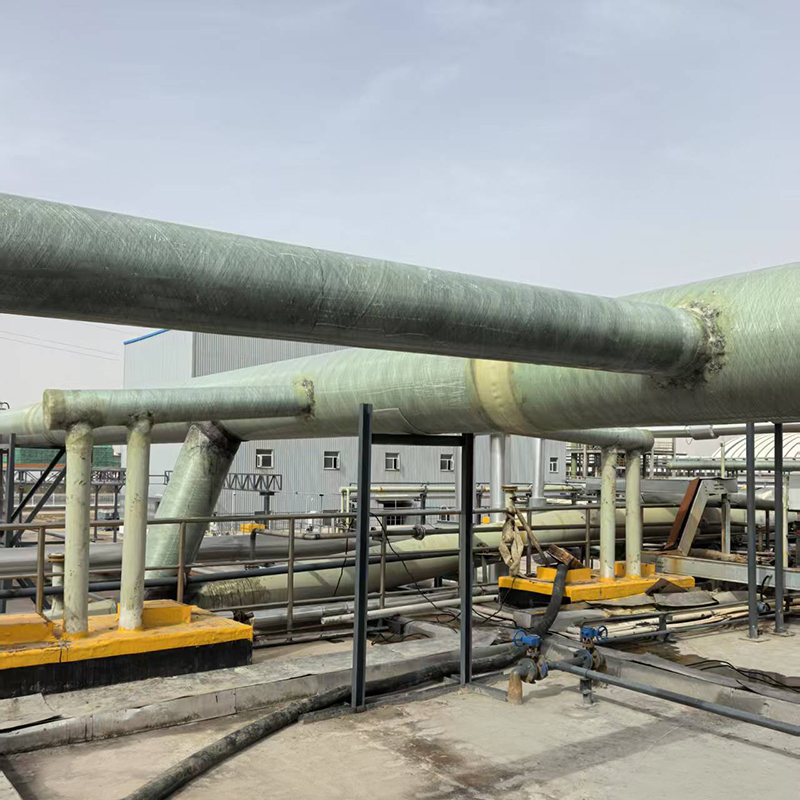
A professional fiberglass storage tank manufacturer uses a different approach. FRP is a composite material where the corrosion resistance is built into the very fabric of the tank. By selecting specific resins—such as premium vinyl esters—the manufacturer creates a "corrosion barrier" that is chemically inert to the stored substance.
- Internal Resistance: The resin-rich interior layer handles the chemical load without the need for separate linings.
- External Resistance: Unlike steel, which must be painted to prevent rust from humidity or salt air, fiberglass is naturally weather-resistant and never rusts.
Weight and Installation Logistics
In large-scale industrial projects, "time is money," and logistics can consume a significant portion of the budget. This is where the physical properties of the materials play a massive role.
| Feature |
Carbon/Stainless Steel |
Fiberglass (FRP) |
| Density |
Approx. 7.85 g/cm³ |
Approx. 1.5 - 2.0 g/cm³ |
| Weight Ratio |
100% (Baseline) |
20% - 25% of Steel weight |
| Equipment Needed |
Heavy-duty cranes, reinforced foundations |
Lighter cranes, standard foundations |
Because fiberglass tanks are roughly one-fourth the weight of steel, they are significantly easier to transport to remote sites. For engineers working on roof-top installations or in tight indoor spaces, the lightweight nature of a tank from a fiberglass storage tank manufacturer allows for much more flexible site planning and lower rigging costs.
Total Cost of Ownership (TCO)
While the initial purchase price of a high-end FRP tank can sometimes be comparable to or slightly higher than a basic carbon steel tank, the Total Cost of Ownership tells a different story.
Maintenance Savings
Steel tanks require periodic inspections of their coatings. Every 5 to 10 years, many steel tanks must be drained, stripped, and re-lined—a process that is both expensive and results in significant operational downtime.
Fiberglass tanks are virtually maintenance-free. Aside from routine visual inspections, they do not require repainting or re-lining, allowing the facility to remain operational for decades without interruption.
Service Life
In aggressive chemical environments, a steel tank might last 10 to 15 years before requiring major structural repair. In contrast, a well-engineered tank from a reputable fiberglass storage tank manufacturer often has a service life exceeding 30 to 50 years. When you amortize the cost over 40 years, fiberglass becomes the clear economic winner.
Engineering Flexibility and Customization
Every chemical process is unique. Modern manufacturing techniques like filament winding allow manufacturers to customize the strength and chemical resistance of a tank based on the specific gravity and temperature of the liquid.
- Resin Selection: Manufacturers can swap resins to handle anything from bleach (sodium hypochlorite) to hydrochloric acid.
- Structural Reinforcement: By changing the angle of the glass fibers during the winding process, engineers can reinforce specific areas of the tank that experience higher pressure, such as the bottom knuckle or around large nozzles.
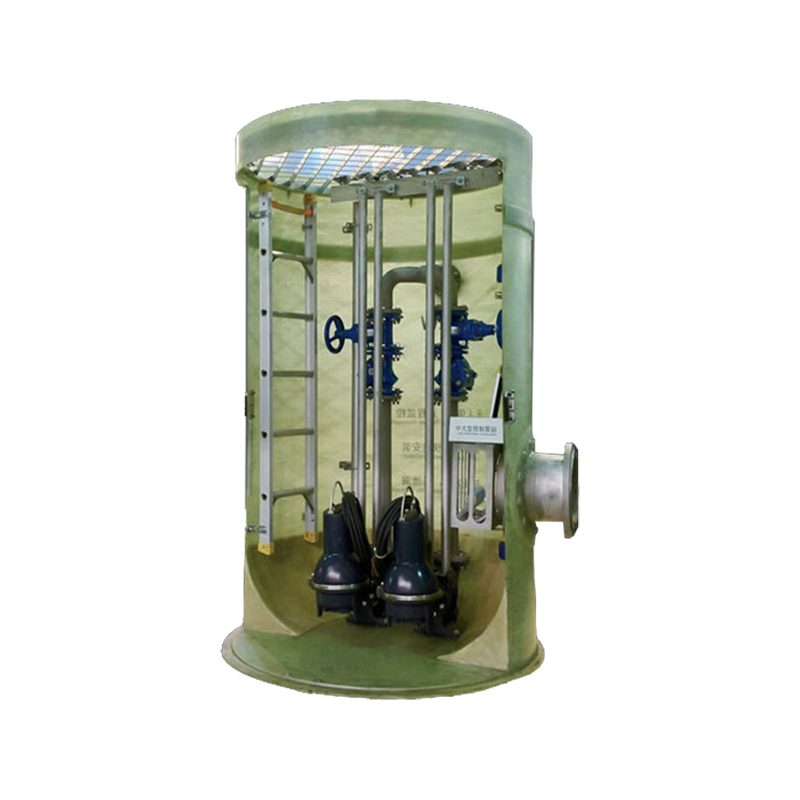
- Integration: Accessories like ladders, platforms, level gauges, and heating cables can be bonded directly into the tank structure, ensuring a seamless and leak-proof fit.
Environmental and Safety Compliance
As environmental regulations become stricter, the risk of a chemical leak carries heavy legal and financial penalties.
- Secondary Containment: Many fiberglass storage tank manufacturers offer "double-wall" designs. These tanks have an interstitial space that can be monitored with sensors. If the primary wall leaks, the secondary wall contains the spill, and an alarm sounds immediately.
- Purity Standards: For the food, beverage, and pharmaceutical industries, fiberglass provides a smooth, non-porous surface that is easy to sanitize and does not leach metallic ions into the product, unlike some steel alloys.



 Tiếng Việt
 عربى
عربى Get a quote

 Tel: +86 0515-86302568
  E-mail:
  Add: No. 11, Xingwang Road, Jianyang Town, Jianhu County, Jiangsu Province, China