With global climate change, increasing extreme weather events, and accelerating urbanization, modern cities face increasingly severe drainage challenges. Frequent floods and waterlogging have caused significant distress to urban residents and impacted the normal operation of urban infrastructure. Against this backdrop, improving the reliability of urban drainage systems has become a critical issue that major cities urgently need to address. As an innovative drainage facility, the FRP integrated pump station, with its high efficiency, flexibility, and durability, has become an important technical means of improving the reliability of urban drainage systems.
Overview of FRP Integrated Pump Stations
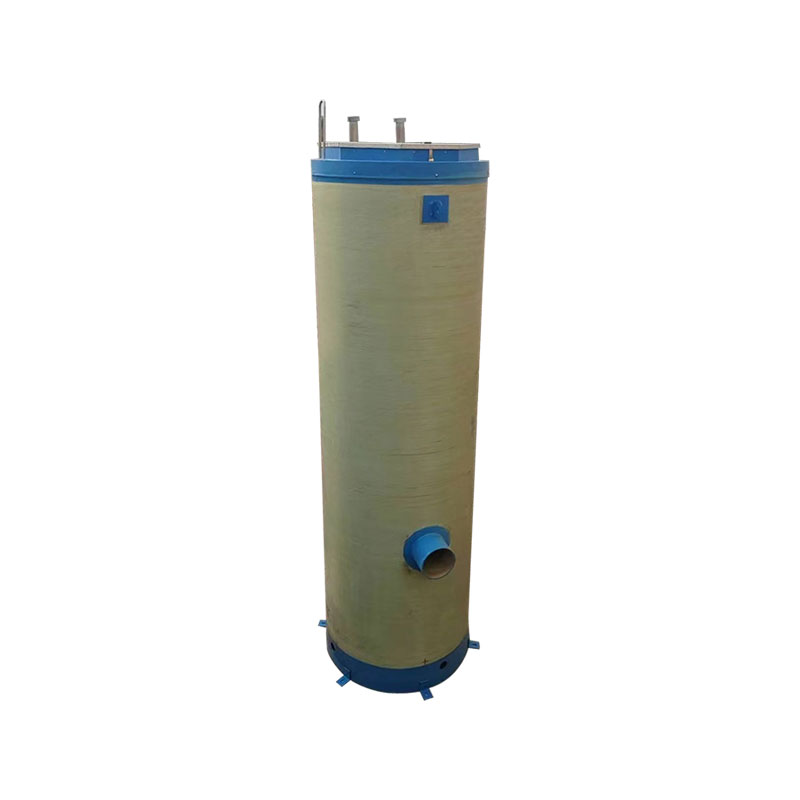
An FRP integrated pump station is an integrated pumping station made of fiberglass reinforced plastic (FRP) and integrates a pump room, pump body, piping, electrical system, and automated control systems. It is typically prefabricated and fully commissioned in a factory, allowing for rapid on-site installation and operation. Compared to traditional concrete or steel pump stations, FRP integrated pump stations not only offer greater corrosion resistance and a longer service life, but also offer advantages such as portability, flexibility, and energy efficiency.
Features of FRP Integrated Pump Stations
High Strength and Lightweight: FRP is lighter than traditional steel and offers excellent compressive and tensile strength, enabling long-term stable operation in harsh environments.
High Corrosion Resistance: FRP is highly resistant to acids, alkalis, sewage, and seawater, making it particularly suitable for harsh environments such as sewage treatment and industrial wastewater discharge.
Modular Design: The pump station capacity, number of pumps, and other functional configurations can be flexibly adjusted based on demand, offering strong scalability.
Energy Saving and Environmental Protection: An intelligent control system optimizes operating modes, reducing energy consumption while minimizing negative environmental impacts.
How Do FRP Integrated Pump Stations Improve the Reliability of Urban Drainage Systems?
Efficiently Respond to Extreme Weather and Enhance the Emergency Response Capacity of Drainage Systems
With the increasing frequency of extreme weather events caused by climate change, natural disasters such as heavy rains and typhoons often overwhelm urban drainage systems, leading to urban flooding. FRP integrated pump stations can flexibly respond to various sudden drainage needs, significantly improving the emergency response capacity of urban drainage systems.
The modular design of the FRP integrated pump station means the number of pumps can be expanded and the pumping speed adjusted based on site needs. This allows the pump station to quickly increase drainage capacity and ensure continuous operation of the drainage system in the face of sudden, heavy rainfall, typhoons, and other extreme weather conditions. For example, during periods of heavy rain, the pump station's control system automatically adjusts the pump's operating mode to maximize drainage capacity and prevent waterlogging.
FRP integrated pump stations are typically equipped with intelligent monitoring systems that monitor water levels, flow rates, pressure, and other data in real time, automatically adjusting the pump station's operating status based on changes. This level of automation significantly enhances the pump station's ability to cope with complex situations, reduces the risk of manual operation, and ensures efficient and stable system operation.
Rapid Deployment, Shortening Drainage System Construction Timelines
The construction of traditional pump stations typically requires a long time for civil engineering, equipment installation, and system commissioning, significantly impacting the construction schedule of urban drainage facilities. However, FRP integrated pump stations, with their factory-installed and rapid on-site installation capabilities, significantly shorten construction timelines. After pre-assembly and commissioning at the factory, the pump station can be transported directly to the installation site and quickly put into operation.
This advantage makes FRP integrated pump stations particularly suitable for urban renewal projects, temporary drainage needs, and emergency projects requiring rapid completion of drainage infrastructure. When faced with unexpected drainage issues, FRP integrated pump stations can be quickly deployed and put into operation, ensuring the drainage system's immediate response and avoiding the drainage problems and waterlogging that can occur due to delays in traditional pump station construction.
Improving the Durability and Corrosion Resistance of Drainage Systems
Urban drainage systems are constantly exposed to humid and corrosive environments. Traditional pump stations face problems such as equipment corrosion and aging, leading to unstable system operation and high maintenance costs. FRP integrated pump stations, made of fiberglass reinforced plastic (FRP), offer exceptional corrosion resistance, effectively preventing corrosion from sewage, wastewater, and chemicals, ensuring long-term stable operation.
FRP integrated pump stations demonstrate significant advantages particularly in sewage and industrial wastewater treatment environments. The FRP material's corrosion resistance and UV resistance enable the pump station to maintain efficient operation even in harsh environments, reducing the frequency of equipment repairs and replacements and extending its service life. This not only significantly reduces maintenance costs but also improves the long-term reliability and stability of the drainage system.
Optimizing Pump Station Design and Reducing Operating Costs
FRP integrated pump stations not only improve drainage system reliability but also effectively reduce operating costs. The pump station's optimized design utilizes a high-efficiency pump and motor system, reducing energy consumption. During operation, the intelligent control system automatically adjusts the pump speed based on water level fluctuations, ensuring efficient operation with minimal energy consumption.
FRP materials inherently have a high recycling rate, complying with environmental protection requirements and reducing resource waste during production and operation. In urban drainage system construction, the use of FRP integrated pump stations can effectively save costs and minimize environmental impact.
Flexibly Adapting to the Diverse Needs of Urban Drainage Systems
With the increasing complexity of urban drainage needs, the flexible adaptability of FRP integrated pump stations is particularly important. The modular design of the pump station enables customization to meet diverse drainage requirements. For example, in sewage treatment plants, stormwater drainage systems, and industrial wastewater discharge scenarios, FRP integrated pump stations can be adjusted based on factors such as water quality, water volume, and operating environment to meet diverse drainage needs.
This flexible adaptability not only ensures that the pumping station can meet the working requirements in different drainage scenarios, but also improves the overall benefits and applicability of the system, and further enhances the reliability of the urban drainage system.



 Tiếng Việt
 عربى
عربى Get a quote

 Tel: +86 0515-86302568
  E-mail:
  Add: No. 11, Xingwang Road, Jianyang Town, Jianhu County, Jiangsu Province, China