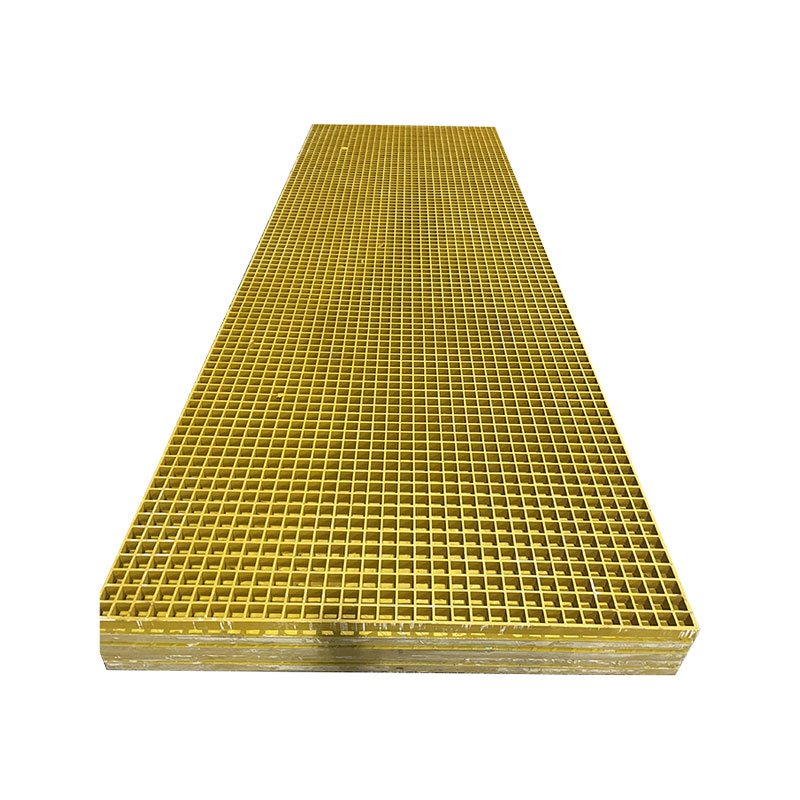
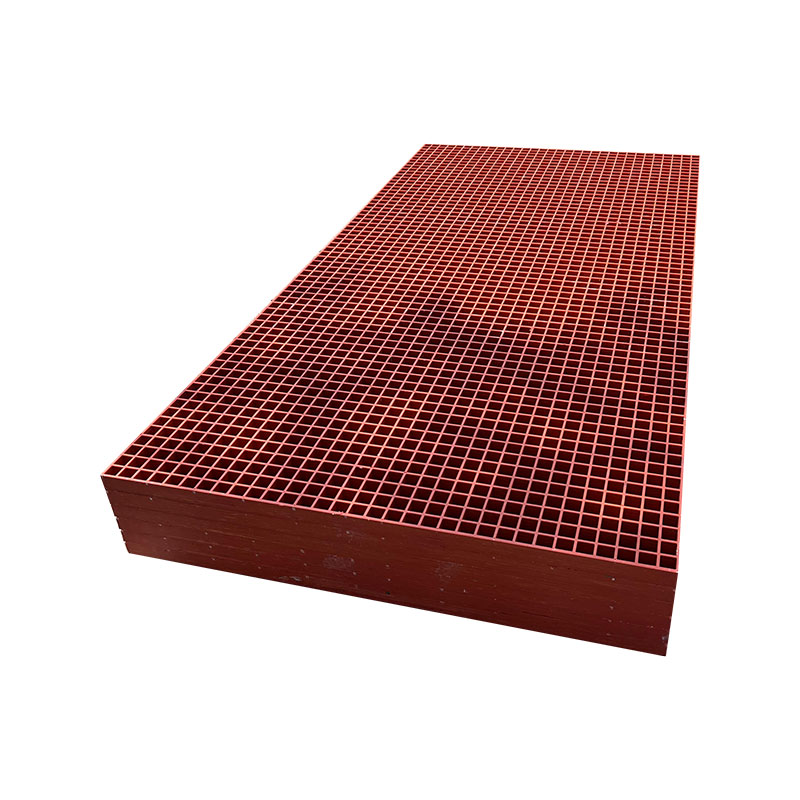
With the continuous development of modern industrial production, factory safety has become a core concern for every company. Floor safety is crucial in many industrial sites, particularly in industries such as chemicals, metallurgy, power generation, and wastewater treatment. Flooring materials must not only possess excellent corrosion resistance and high-temperature resistance, but also ensure worker safety in slippery, high-load environments. Therefore, selecting the right FRP moulded grating is crucial for improving factory safety and ensuring employee safety. As a new flooring material, FRP moulded grating has been widely used in numerous industrial sectors due to its lightweight, high-strength, corrosion-resistant, high-temperature, and UV-resistant properties. Choosing the right FRP moulded grating is a key consideration during every factory's construction and maintenance.
Advantages of FRP moulded grating
Corrosion Resistance
FRP moulded grating is made of glass-fiber reinforced resin (such as polyester and vinyl ester) and offers exceptional corrosion resistance. It maintains stable performance in environments subject to severe chemical corrosion, making it particularly suitable for industries such as chemical plants, sewage treatment plants, and electroplating plants. Compared to traditional metal materials, FRP grating is immune to rust or decay due to chemical attack, such as acids, alkalis, and salts. This significantly extends its service life and reduces maintenance and replacement costs.
High Strength and Load-Bearing Capacity
FRP molded grating, reinforced with glass fiber, offers excellent compressive and flexural strength, enabling it to withstand heavy loads. It maintains excellent load-bearing properties even in heavy machinery workshops or environments with heavy traffic. Therefore, selecting the appropriate load-bearing rating is crucial for factory production environments.
Anti-Slip Performance
Anti-slip performance is particularly important in slippery environments. The surface of FRP molded grating can be customized with various anti-slip textures, ensuring safe walking in wet or oily environments. FRP grating is particularly effective in hazardous situations such as chemical leaks and liquid spills, effectively preventing slips and falls.
High-Temperature and Fire-Resistant
Many industrial sites, such as metallurgical plants and power plants, experience high-temperature working environments. FRP molded grating can withstand these temperatures, maintaining structural stability and preventing deformation or fracture due to high temperatures. Furthermore, FRP material possesses a certain degree of fire resistance, providing a degree of protection against fire hazards.
Lightweight and High Toughness
Another notable feature of FRP molded grating is its lightweight. Compared to traditional metal grating, FRP grating is lightweight, making it easier to transport and install. This reduces transportation costs, labor intensity, and installation time during factory flooring.
How to Choose the Right FRP Molded Grating?
While FRP molded grating offers numerous advantages, choosing the right one is crucial depending on the factory environment, usage requirements, and working conditions.
Working Environment Temperature, Humidity, and Corrosiveness
When selecting FRP molded grating, the factory's working environment should be considered first. The temperature, humidity, and chemical corrosivity of different environments can significantly impact the selection of grating.
High-Temperature Environments: If a factory operates in a high-temperature environment, such as a smelter or boiler room, it is important to choose FRP grating with high-temperature resistance. Generally, vinyl ester resin is an ideal material for high-temperature environments and can withstand higher temperatures.
Slippery Environments: If the work area is subject to high humidity or is exposed to oil or chemical spills, FRP molded grating with a non-slip design should be preferred. This non-slip surface can effectively reduce accidents caused by slips.
Chemically Corrosive Environments: If the factory handles corrosive substances such as strong acids, alkalis, and salt water, such as chemical processing plants or water treatment plants, it is recommended to choose FRP grating made of polyester resin or vinyl ester resin with higher corrosion resistance. These gratings can operate stably and long-term in corrosive environments, ensuring the safety of equipment and personnel.
Load-Bearing Capacity of Grating
Different factories have different floor load requirements, so selecting the appropriate load-bearing capacity is crucial. For locations subject to heavy loads, such as heavy machinery workshops, cargo storage areas, and vehicle traffic areas, high-load-bearing FRP molded grating should be selected. For more general areas, a lower-load-bearing specification can be selected. The load-bearing capacity of FRP grating is generally determined by factors such as the grating's structural form, material thickness, and glass fiber ratio.
When selecting, it is recommended to carefully consider the production area's usage and load requirements to ensure the grating does not damage under prolonged loads.
Anti-Slip Design and Surface Treatment
In many factory environments, floors are often subject to water stains, oil stains, or other slippery materials. Therefore, choosing FRP molded grating with excellent anti-slip properties is particularly important. FRP grating often features anti-slip textures, such as horizontal and vertical grooves, which effectively increase friction and prevent slipping accidents.
Therefore, when selecting a grating, it is important to carefully examine the surface texture design and ensure it meets the anti-slip requirements of the work environment. For areas susceptible to moisture or oil stains, the depth of the surface texture and its anti-slip effectiveness are particularly important.
UV Resistance and Outdoor Applications
For industrial facilities that require outdoor use or are exposed to sunlight, UV resistance is a crucial factor when selecting FRP molded grating. Exposure to sunlight can cause degradation and embrittlement of FRP grating, which can shorten its service life. Choosing FRP grating with UV resistance ensures it will not lose strength or discolor under prolonged sunlight.
Ease of Installation and Maintenance
Another advantage of FRP molded grating is its lightweight, making installation and transportation easier. However, when selecting, it's also important to consider the grating's installation design. Ensure that the grating is easy to install, remove, and maintain. In environments where frequent maintenance or replacement is required, choosing a grating design that is easily removable can improve efficiency and reduce maintenance costs.
Environmental Performance and Energy Saving
When selecting FRP molded grating, consider its environmental performance. High-quality FRP molded grating is generally free of harmful substances and recyclable, meeting modern environmental standards. As environmental regulations in various countries become increasingly stringent, the use of environmentally friendly FRP materials can not only reduce the impact on the environment, but also enhance the factory's social responsibility image.



 Tiếng Việt
 عربى
عربى Get a quote

 Tel: +86 0515-86302568
  E-mail:
  Add: No. 11, Xingwang Road, Jianyang Town, Jianhu County, Jiangsu Province, China